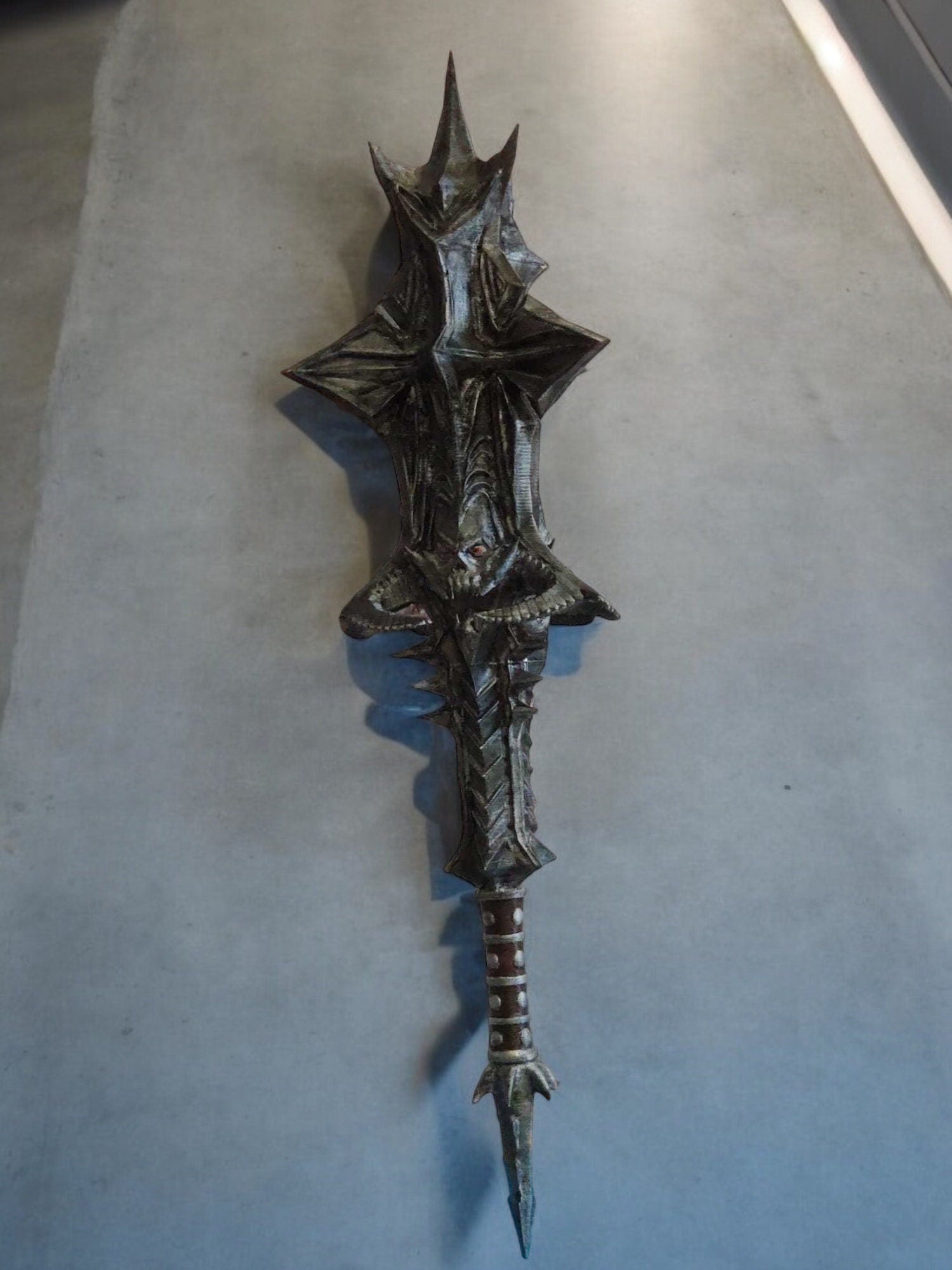
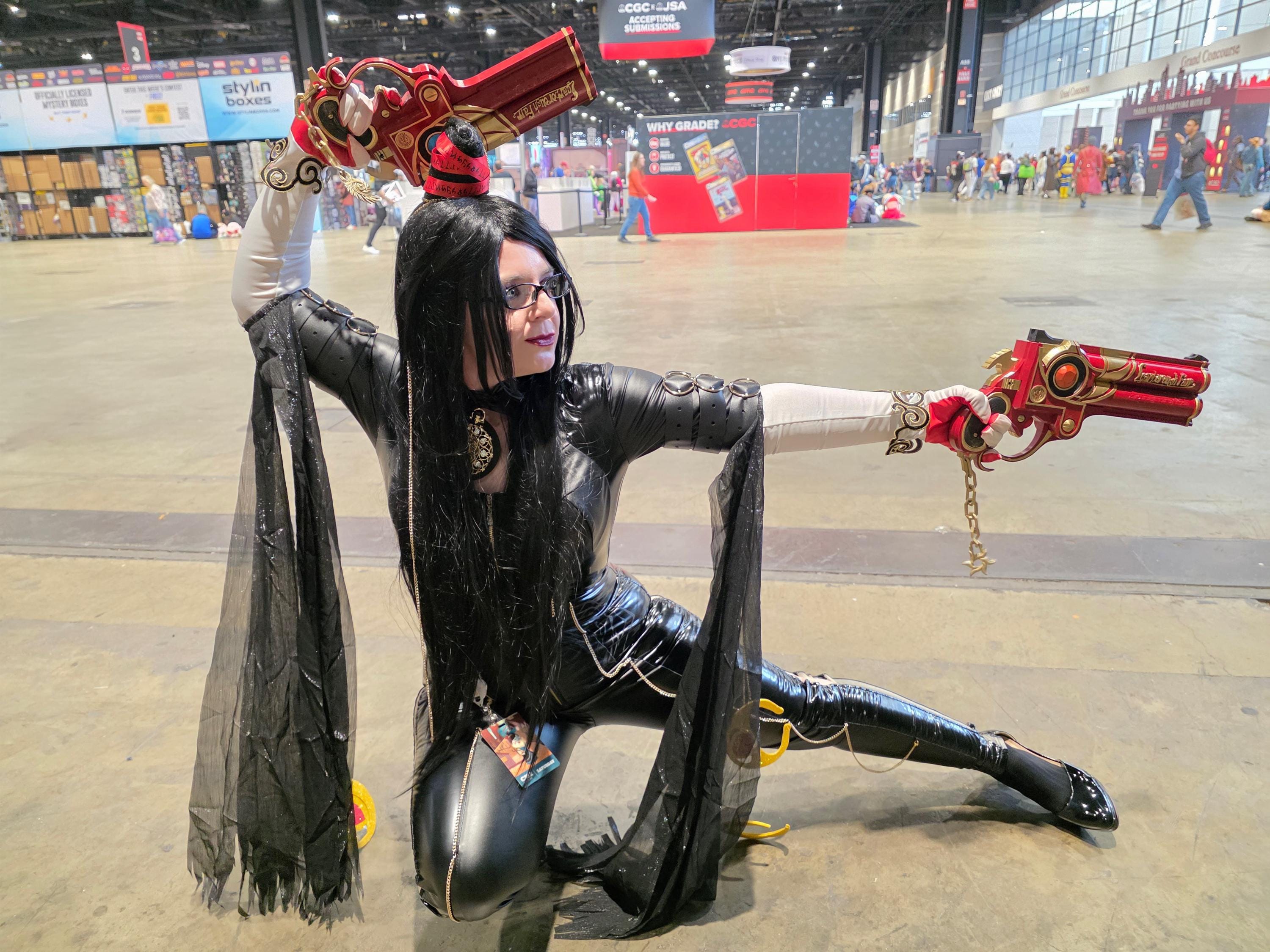
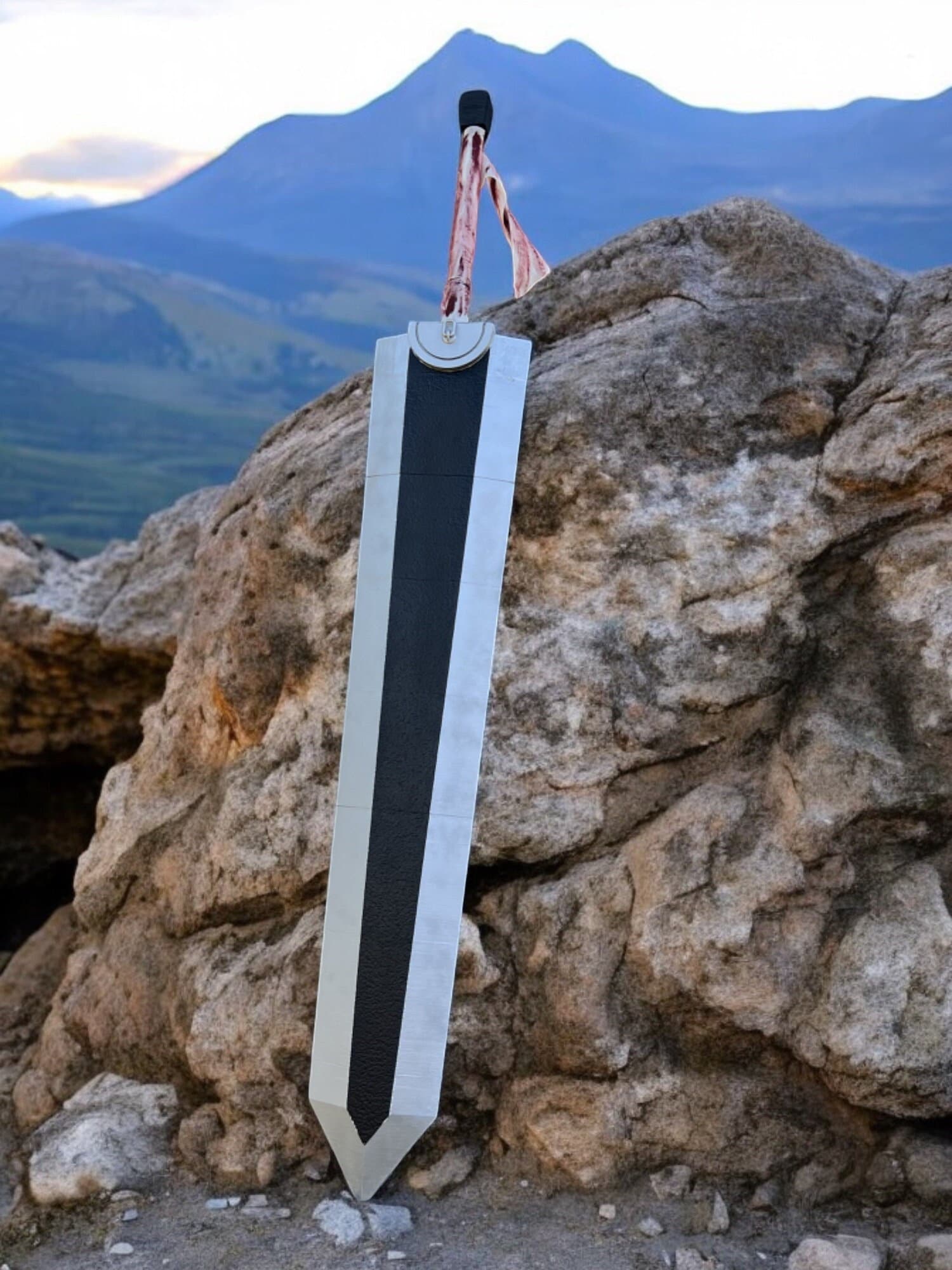
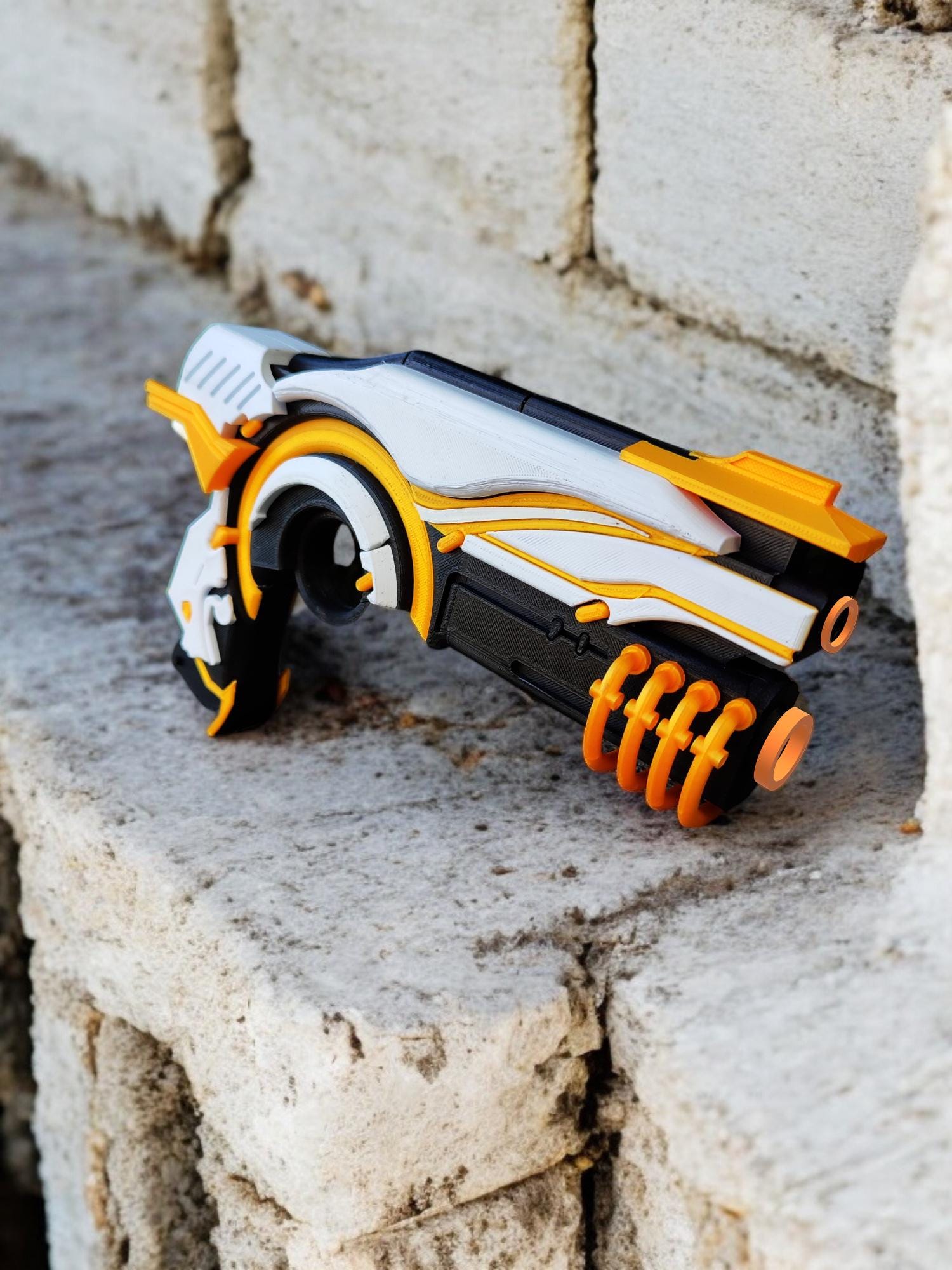
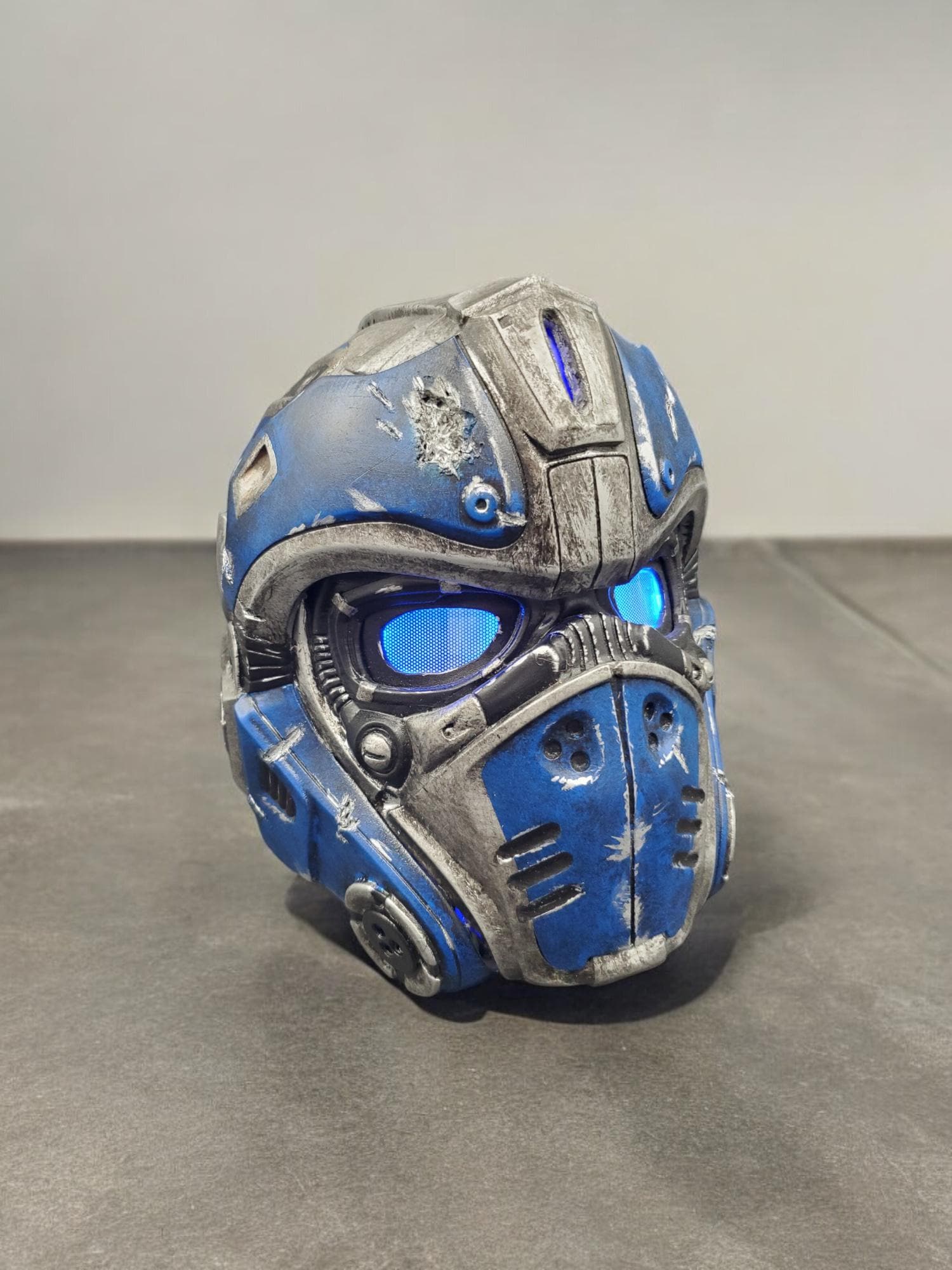
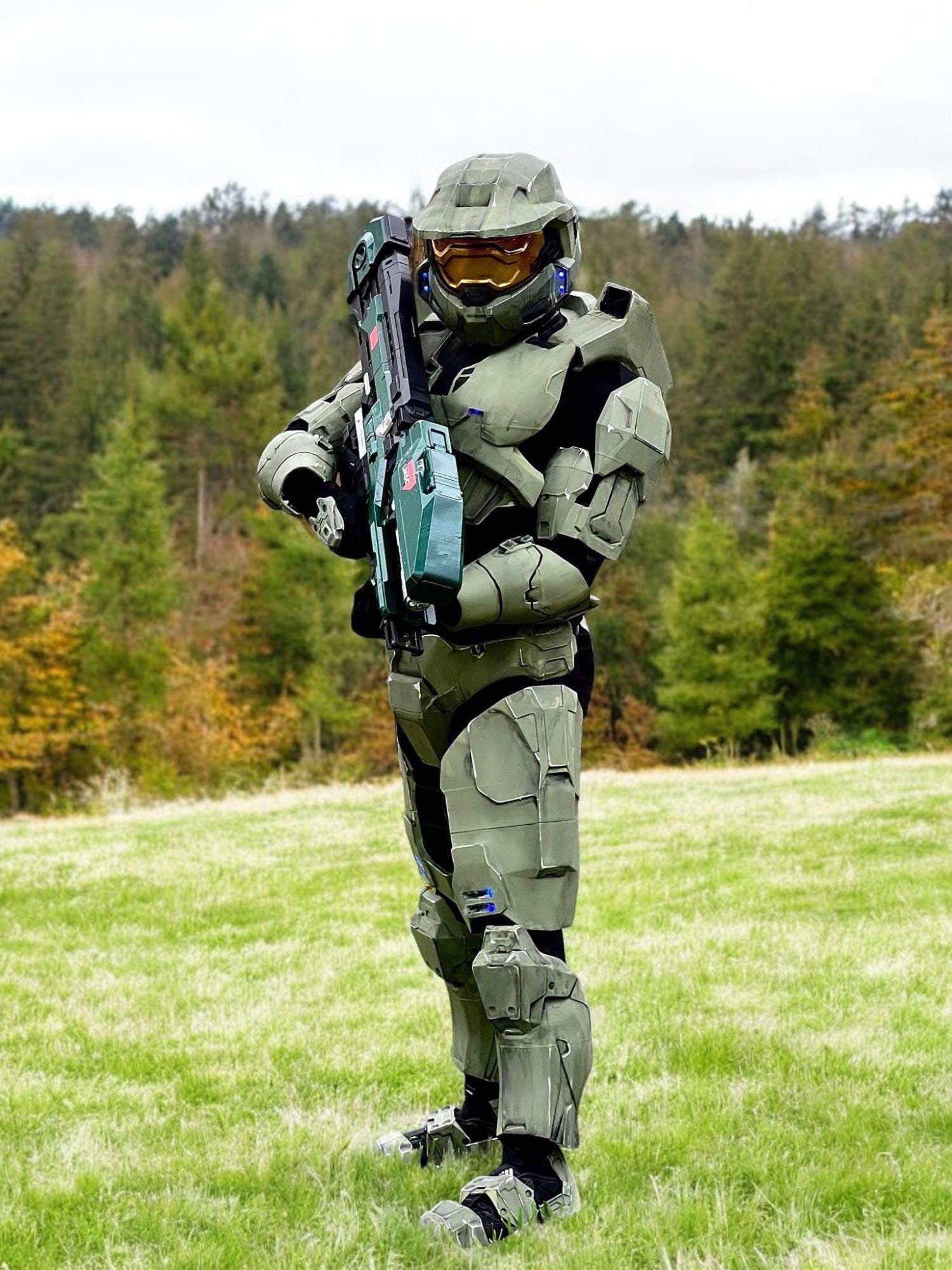
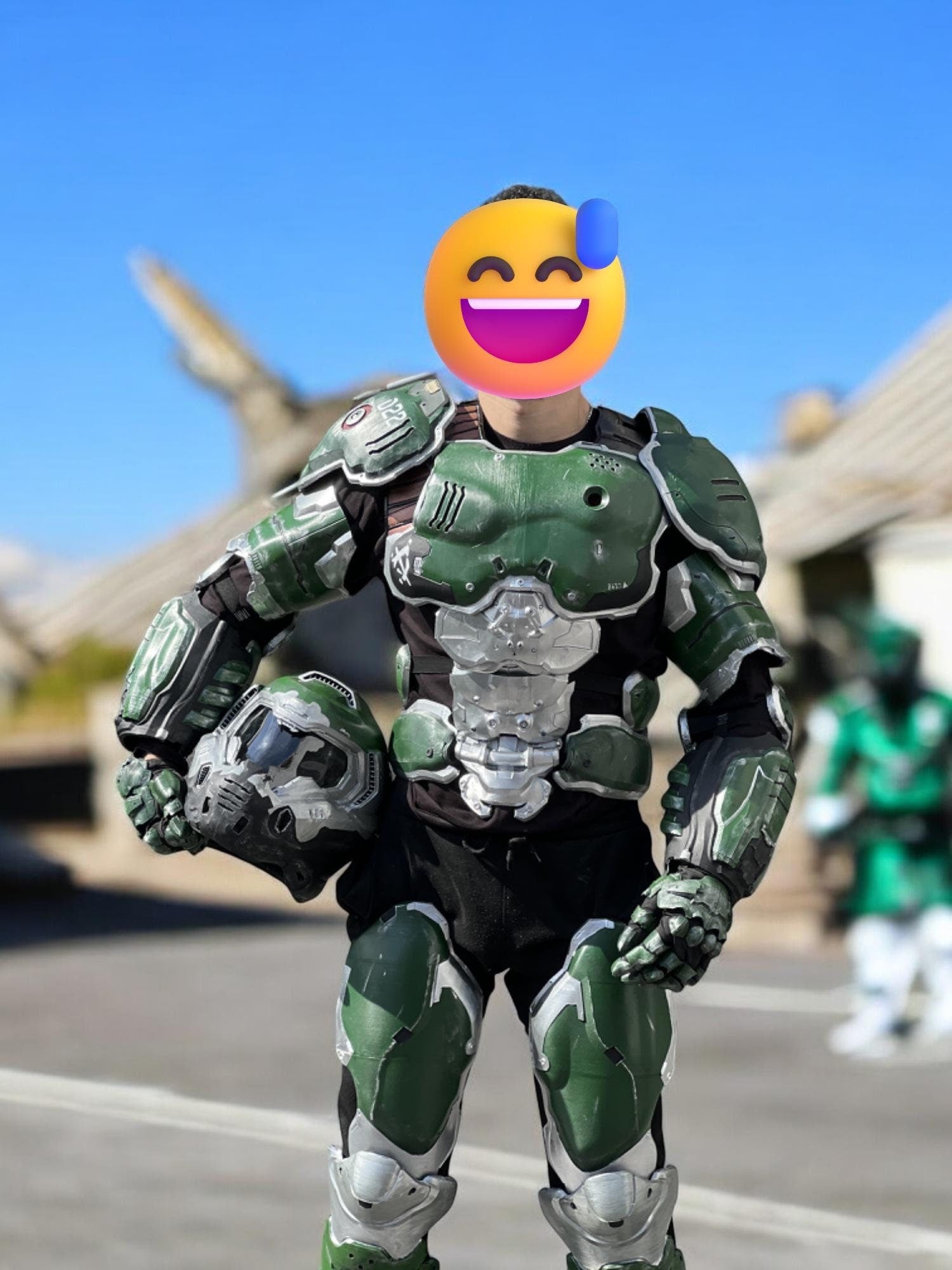
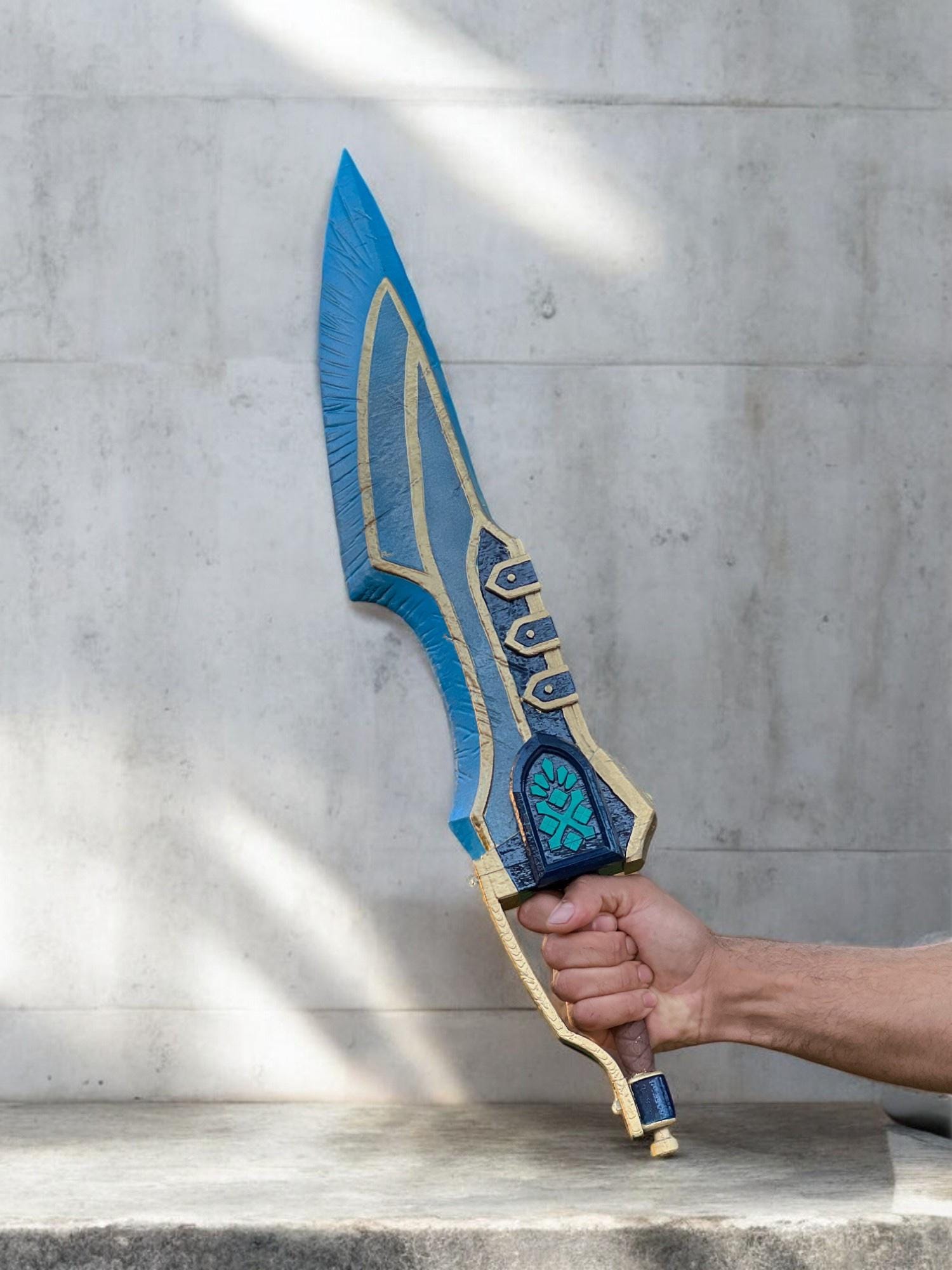
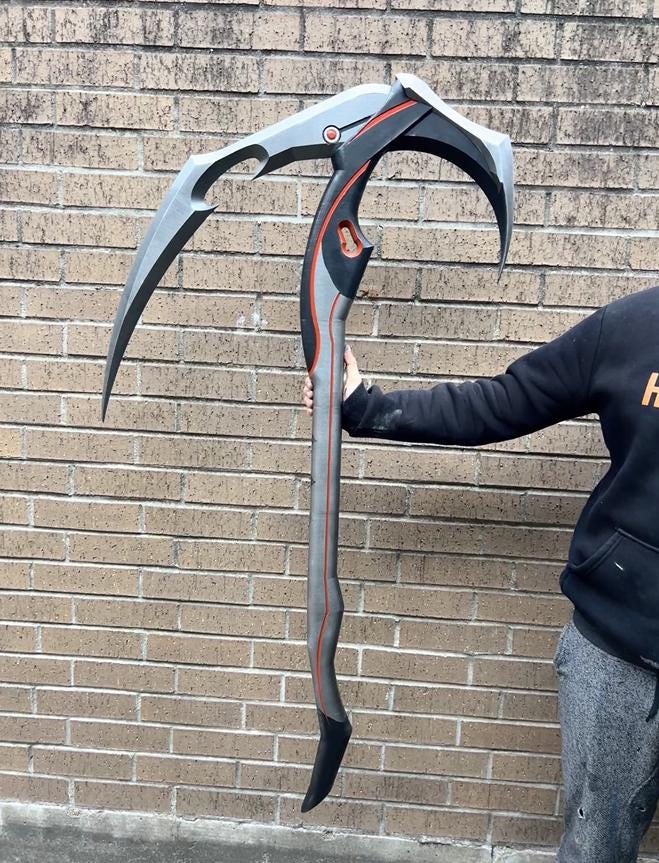
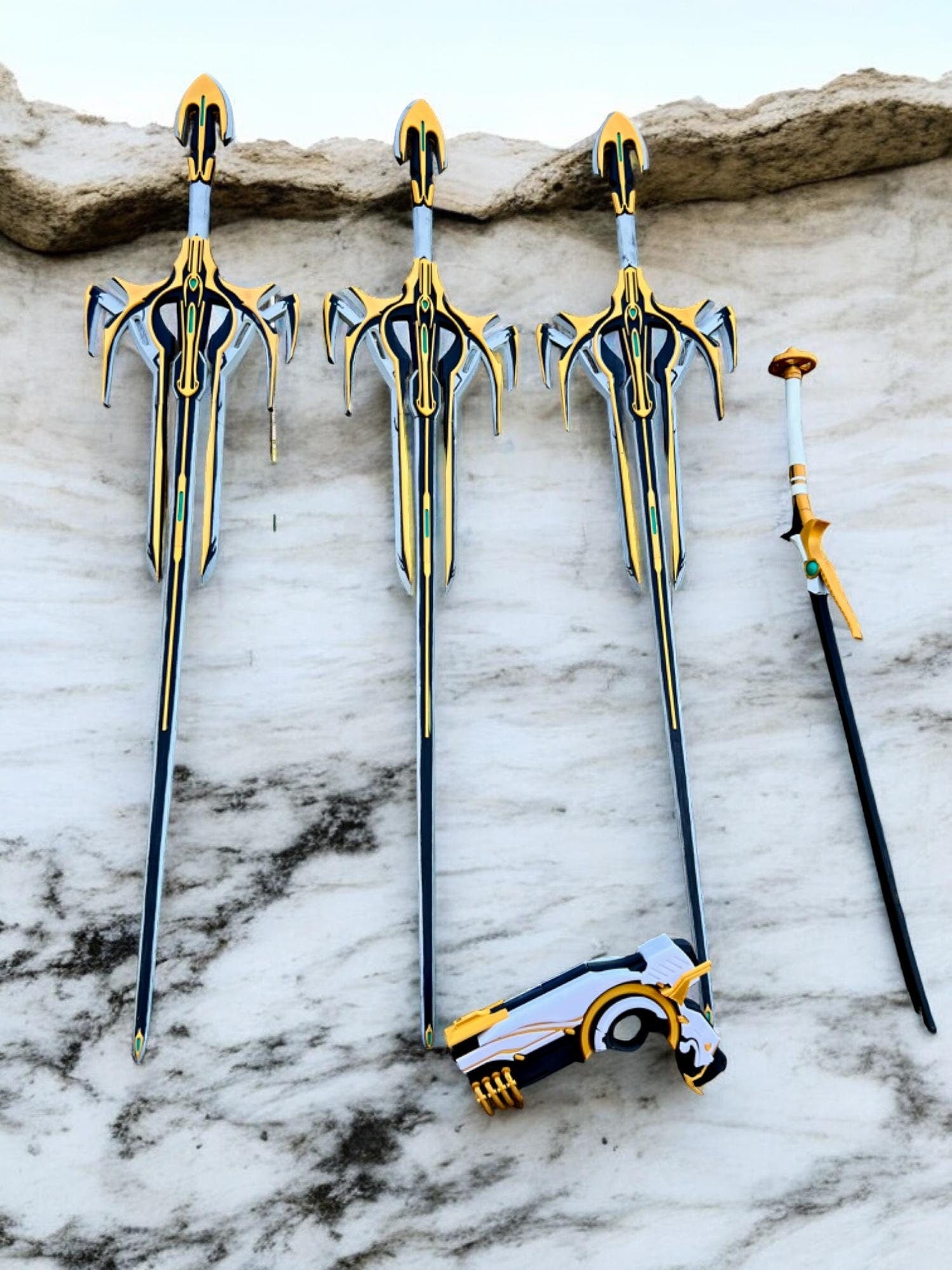
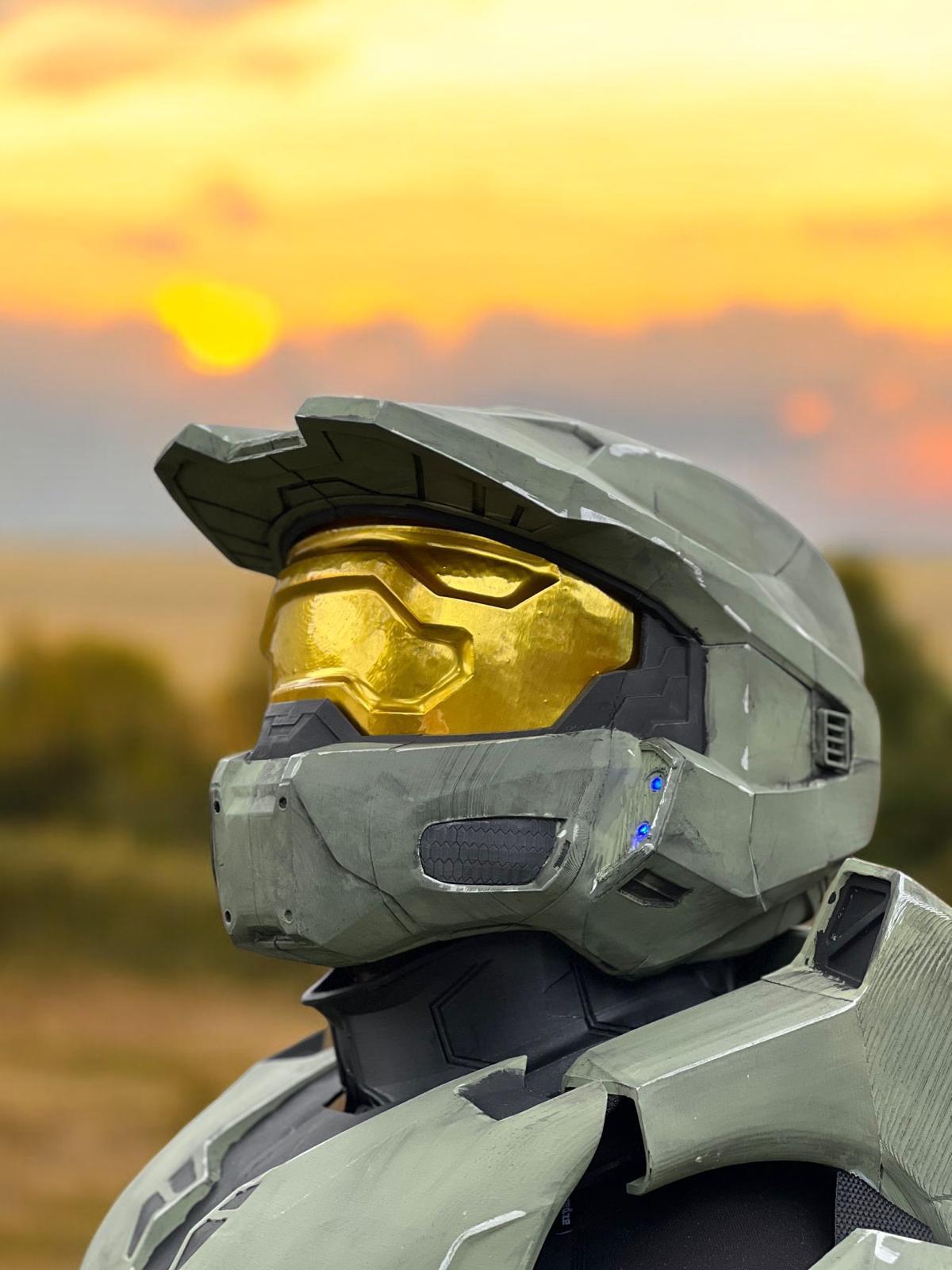
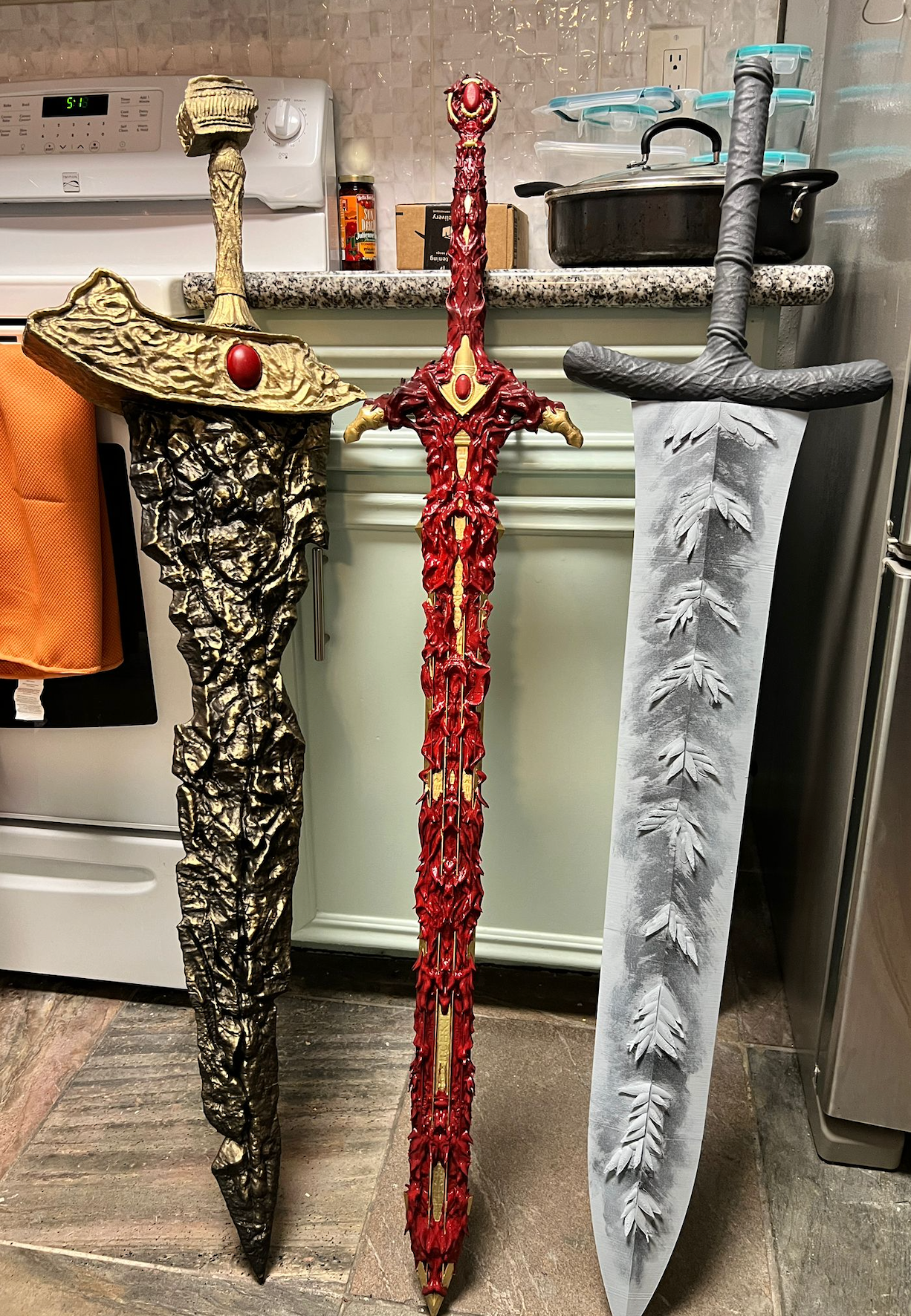
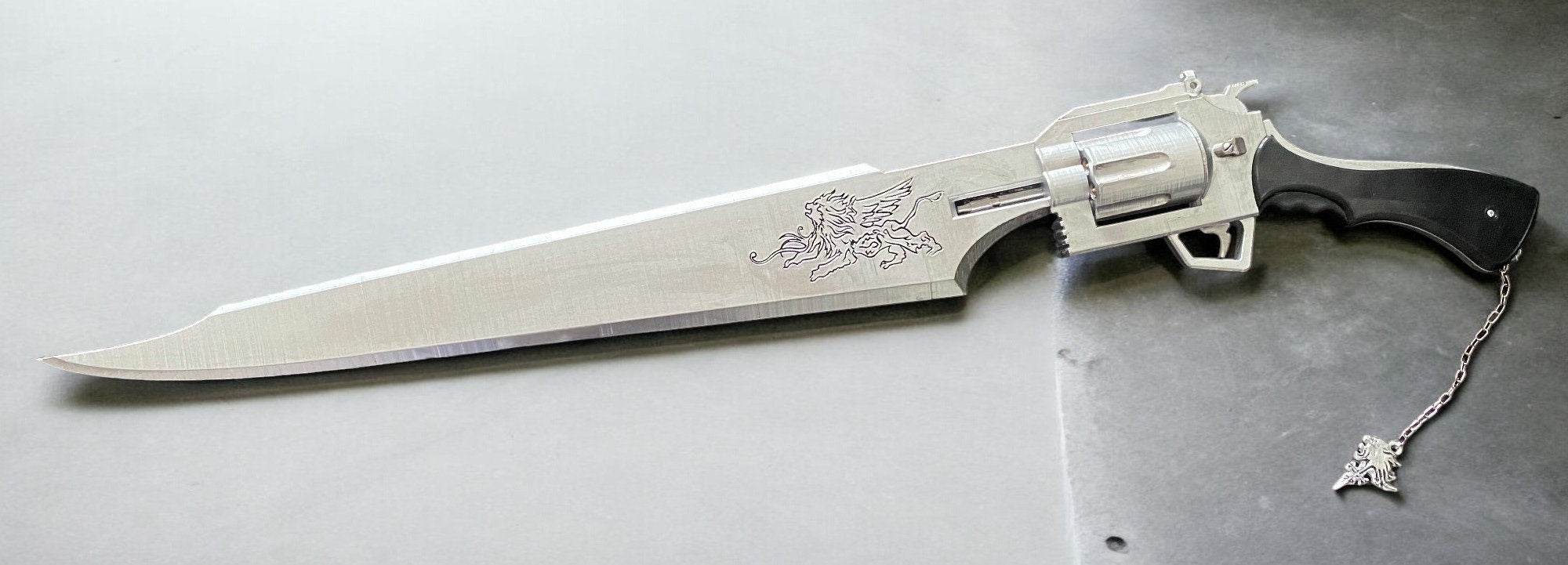
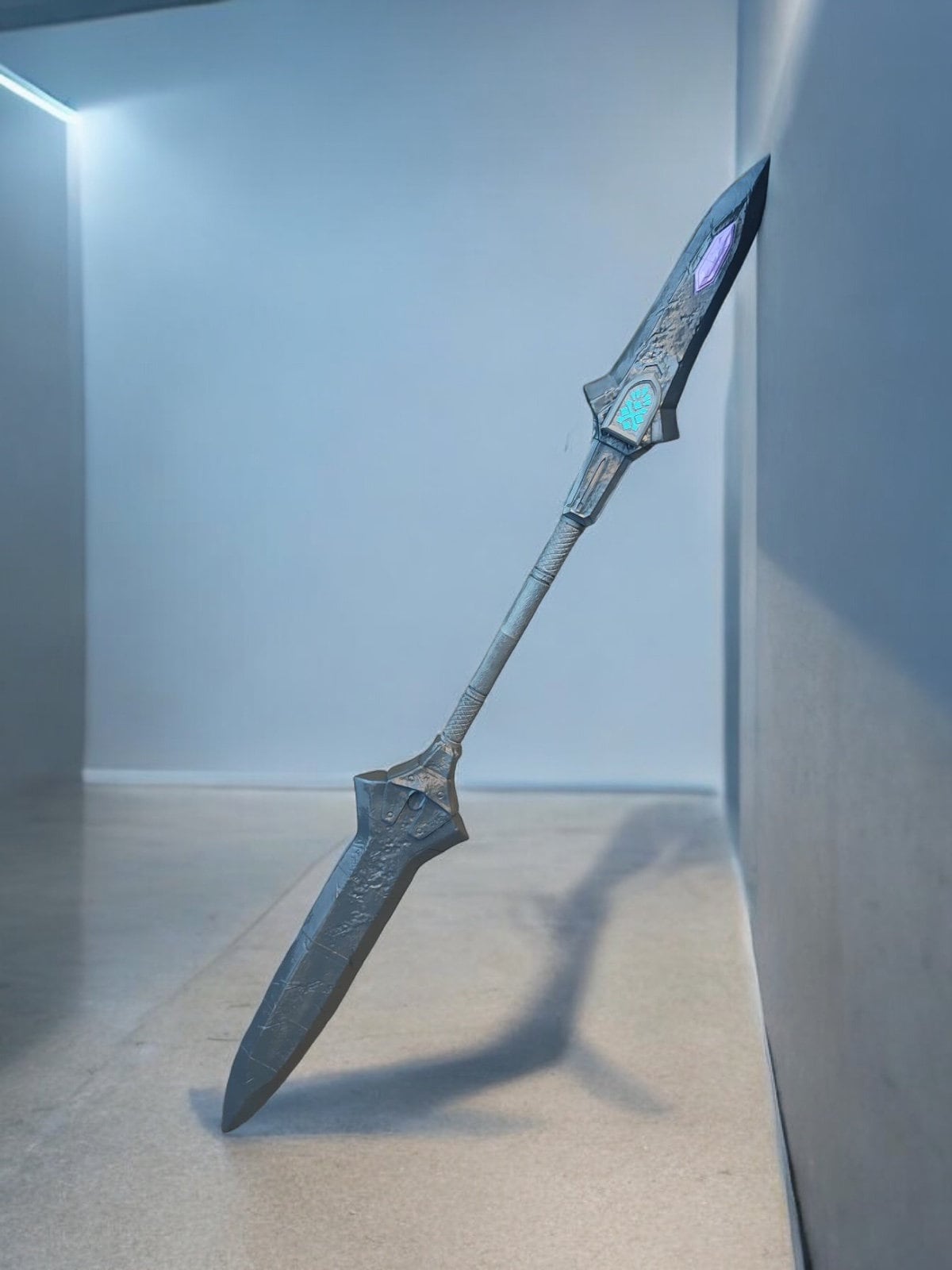
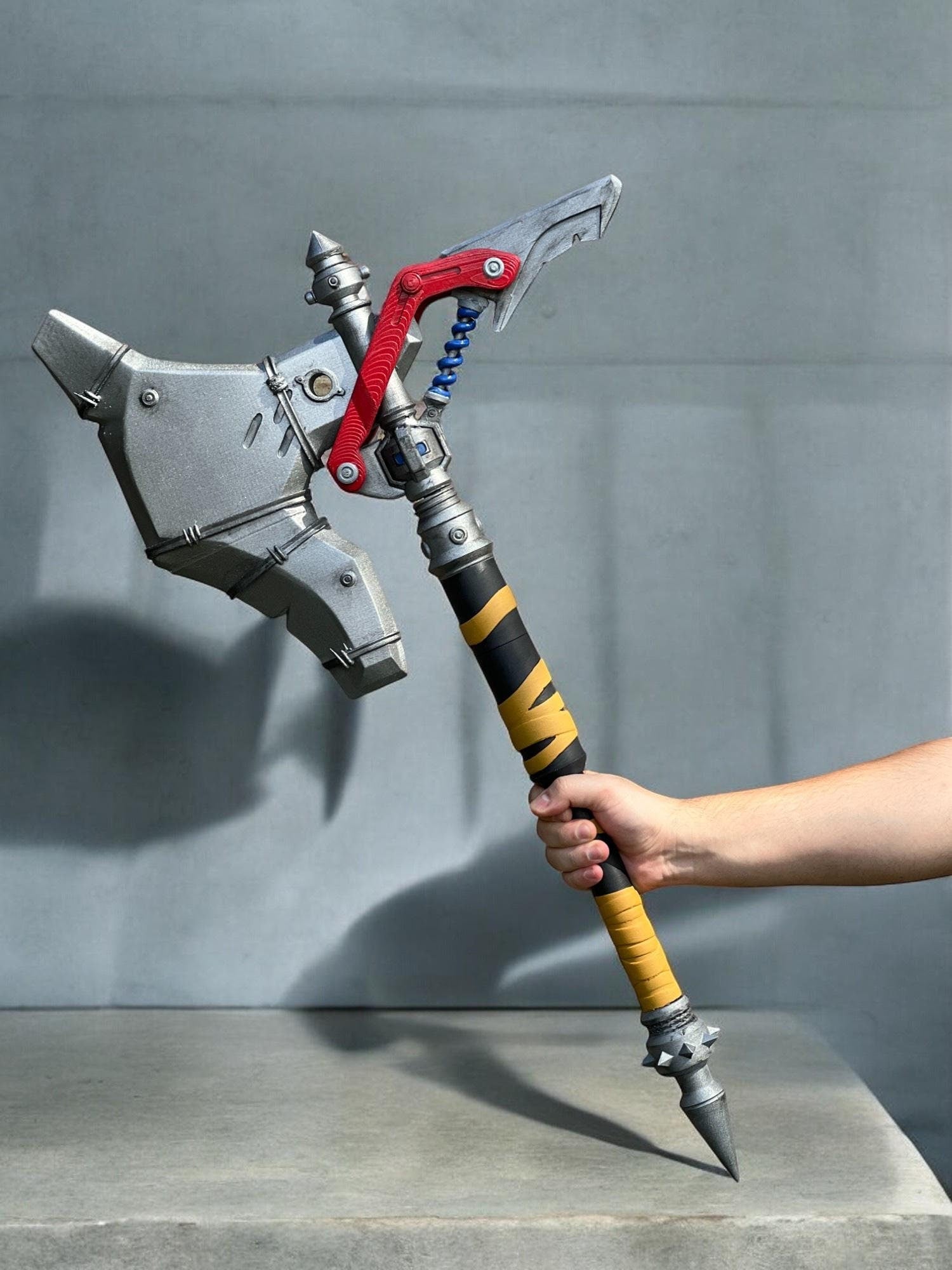
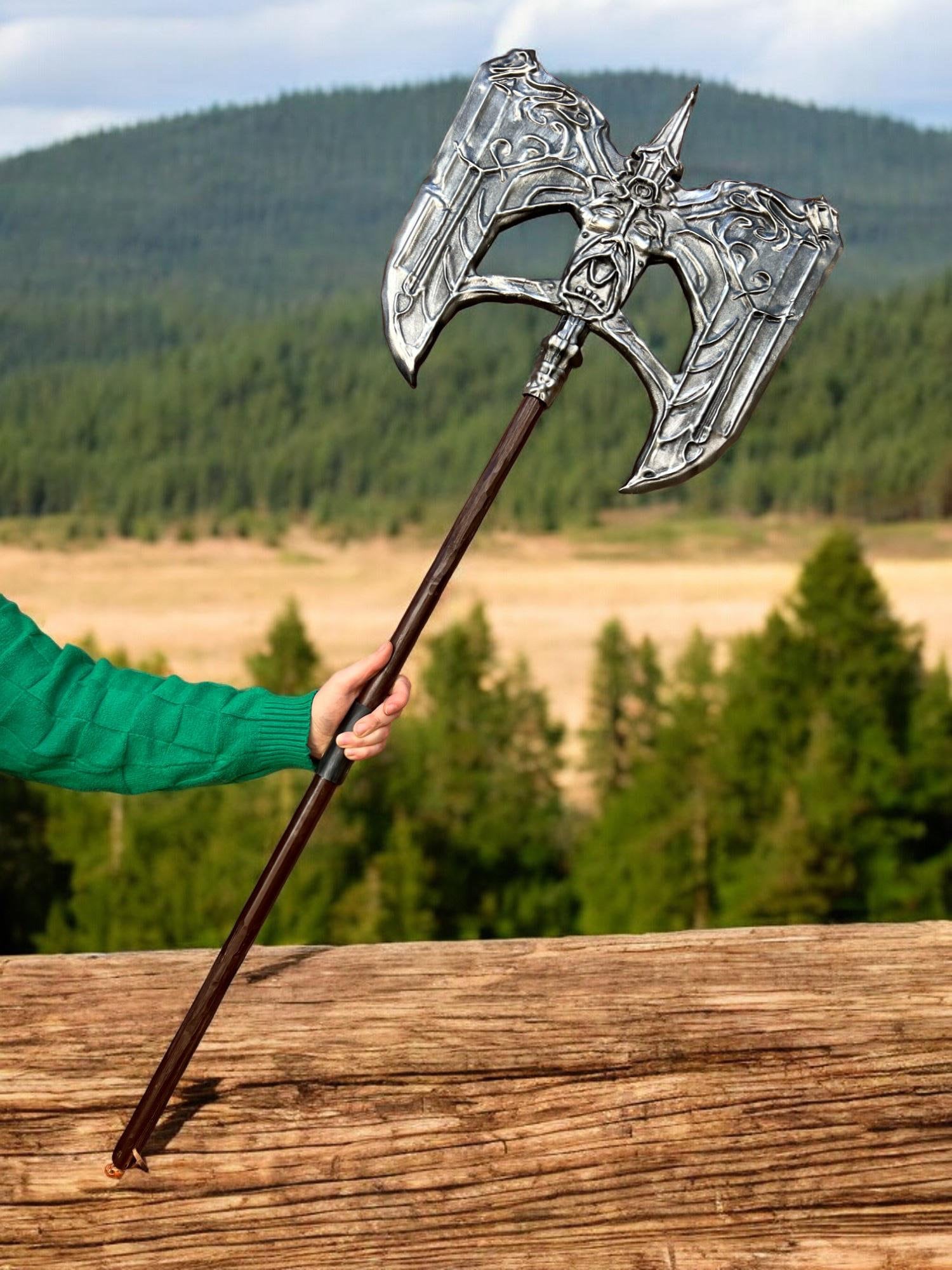
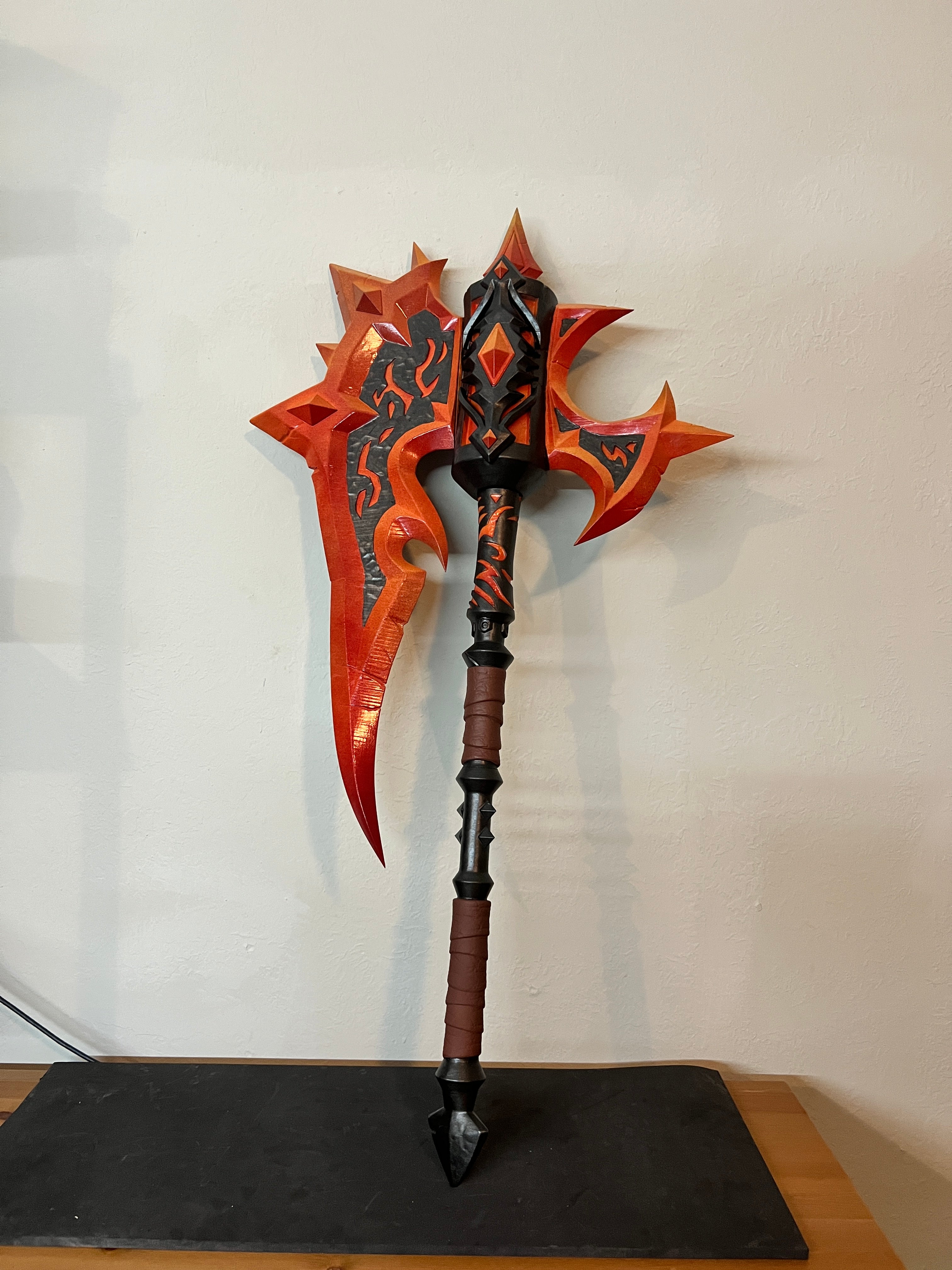
Ordering a prop that already exists in our catalog is simple. But what if you want something we don't list — a less common weapon, a variant color, a character-specific modification, or something entirely original? That's a custom commission. Here's exactly how that process works at Lone Star Cosplay.
What Can Be Commissioned?
Almost anything that can be 3D modeled can be 3D printed. Our custom work includes:
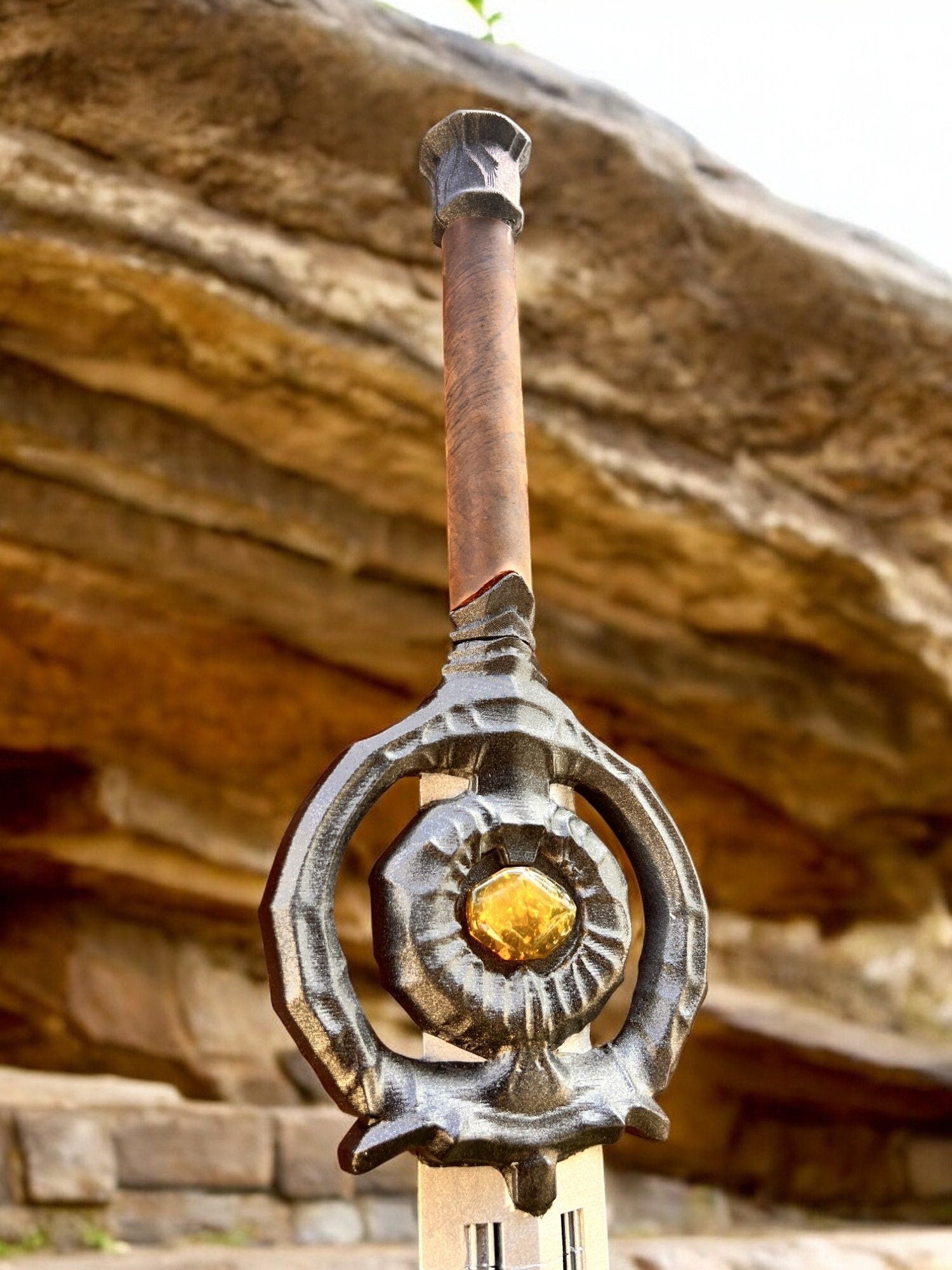
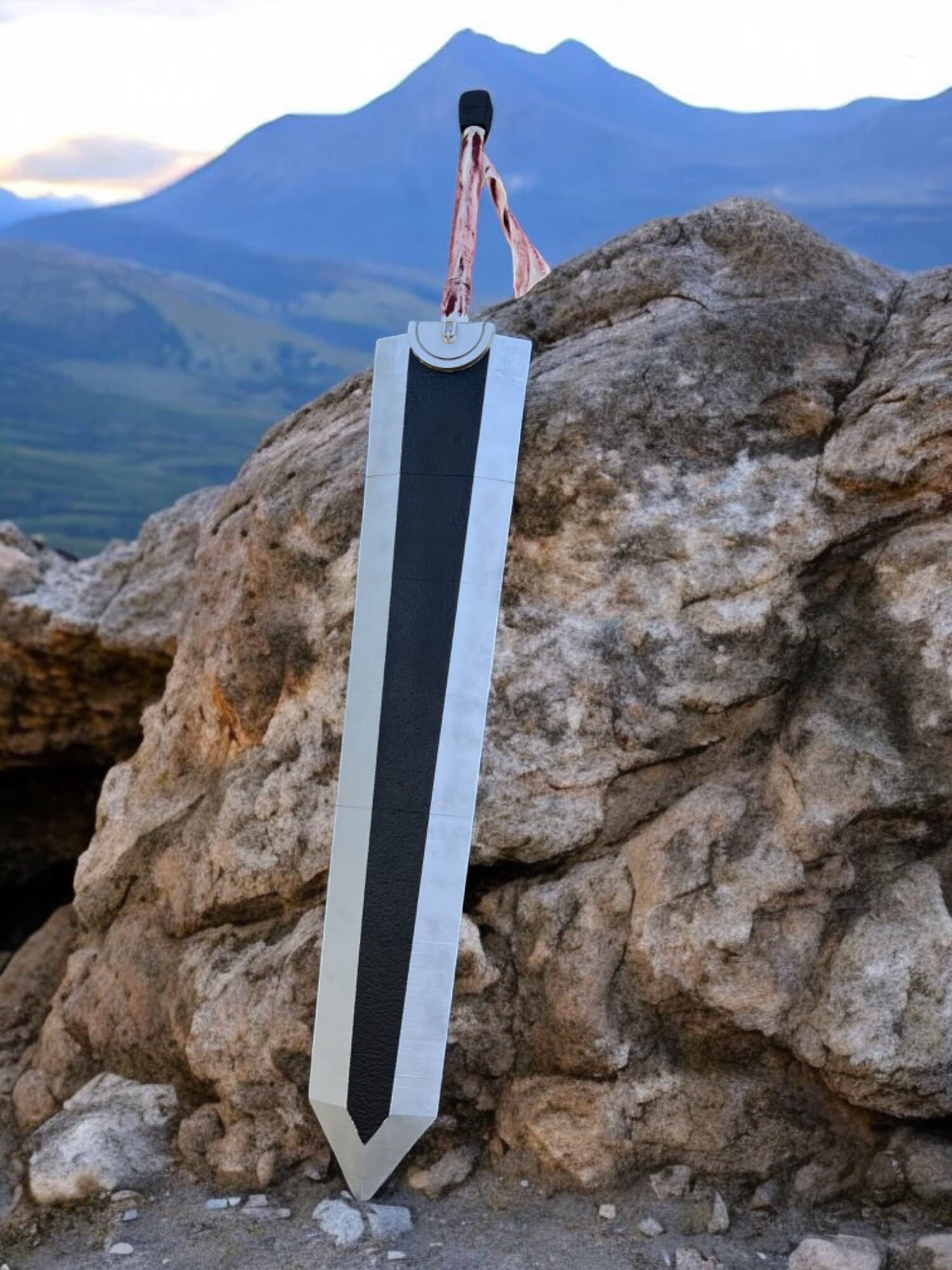
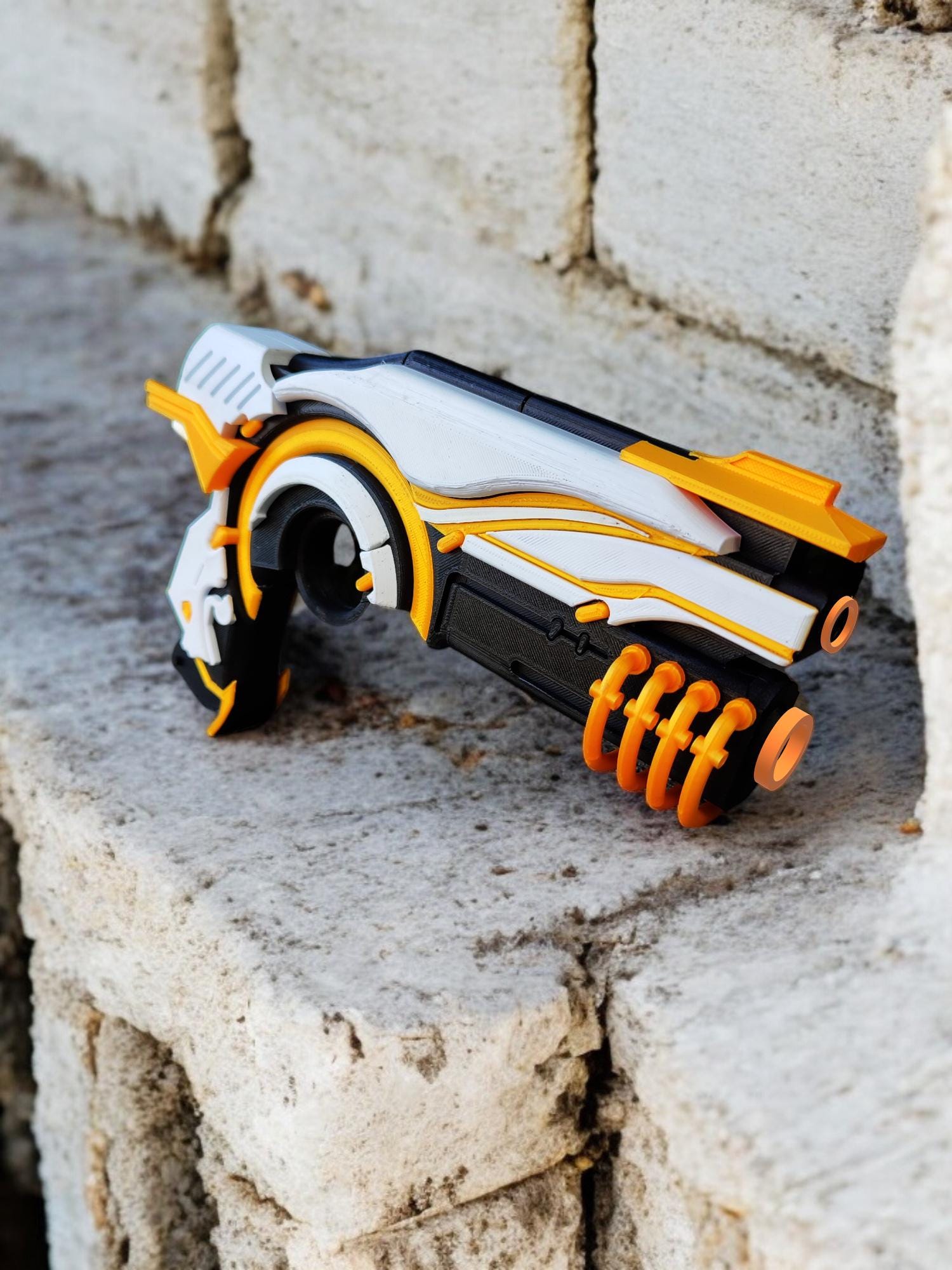
- Props and weapons from games, anime, or movies we don't currently carry
- Color or finish variants on existing props (e.g., Malenia Helmet in Omen version colors)
- Modified versions of existing designs (e.g., adding a specific weathering pattern or custom engraving)
- Oversized or undersized versions of catalog items for display or child cosplays
- Original designs based on character concept art or your own sketches
The main limiting factor is geometry complexity and print feasibility. Some designs have undercuts or very thin sections that are difficult to print reliably. We'll tell you honestly upfront if we think a design is risky, and we can usually suggest modifications that preserve the look while making it printable.
Step 1: Make First Contact
Start with our contact page or the shop chat. Tell us what you want, which character or franchise it's from, and what your timeline looks like. Include reference images if you have them — screenshots, fan art, concept art, anything that shows the design from multiple angles.
The more reference we have, the better. Designs that are well-documented in 3D (lots of screenshots from multiple angles, official art books, in-game model viewers) are easier to model accurately than obscure designs where we're working from a single image. We'll let you know if we need more reference material.
Step 2: Quote and Timeline
We'll come back to you with a price estimate and a timeline based on the complexity of the design, current order queue, and whether the 3D model already exists or needs to be made from scratch. We're transparent about all of this — if the timeline doesn't work for you, let us know and we can discuss rush options.
Custom commissions require a deposit before work begins, typically 50% of the total. This protects both parties — we're putting real hours into design and printing, and you want assurance that the work is actually happening.
Step 3: Design Approval (for Complex Commissions)
For complex original designs or detailed modifications, we'll share renders or a test print before proceeding to the full production print. This gives you a chance to catch anything that doesn't match your vision before we commit to the full print run. Changes at this stage are much easier than changes after finishing.
For simpler commissions — like a standard prop in a custom color — design approval usually isn't necessary; we go straight to production.
Step 4: Production
Once the design is approved and the deposit is received, production begins. We'll keep you updated on progress. For armor suits, we may check in about measurements during this phase to ensure proper fit.
Step 5: Final Approval and Shipping
Before shipping, we'll send you photos of the finished prop for your approval. If there's anything you'd like adjusted (paint detail, a different finish, a small modification), this is the time to mention it. Once you've approved the final result, we invoice the remaining balance and ship with full tracking included.
How Long Does It Take?
It depends on complexity. A straightforward prop in a custom color might take 2–3 weeks. A fully original design that requires modeling from scratch, plus a full paint job, can take 6–8 weeks. Full armor suits in standard configurations run 4–6 weeks. We'll give you a specific timeline during the quote phase.
Tips for a Smooth Commission
- More reference is always better. Even 10 extra screenshots help us get the details right.
- Be clear about your deadline. We'd rather know upfront that you need it for a specific convention so we can prioritize accordingly — or let you know honestly if it's not possible.
- Trust the process. If we suggest a modification for printability, it's because we want the final result to be strong and durable, not because we're cutting corners.
- Ask questions. No question is too basic. We'd rather over-communicate than have a misunderstanding show up in the finished piece.
Ready to start? Get in touch with your idea and we'll take it from there.