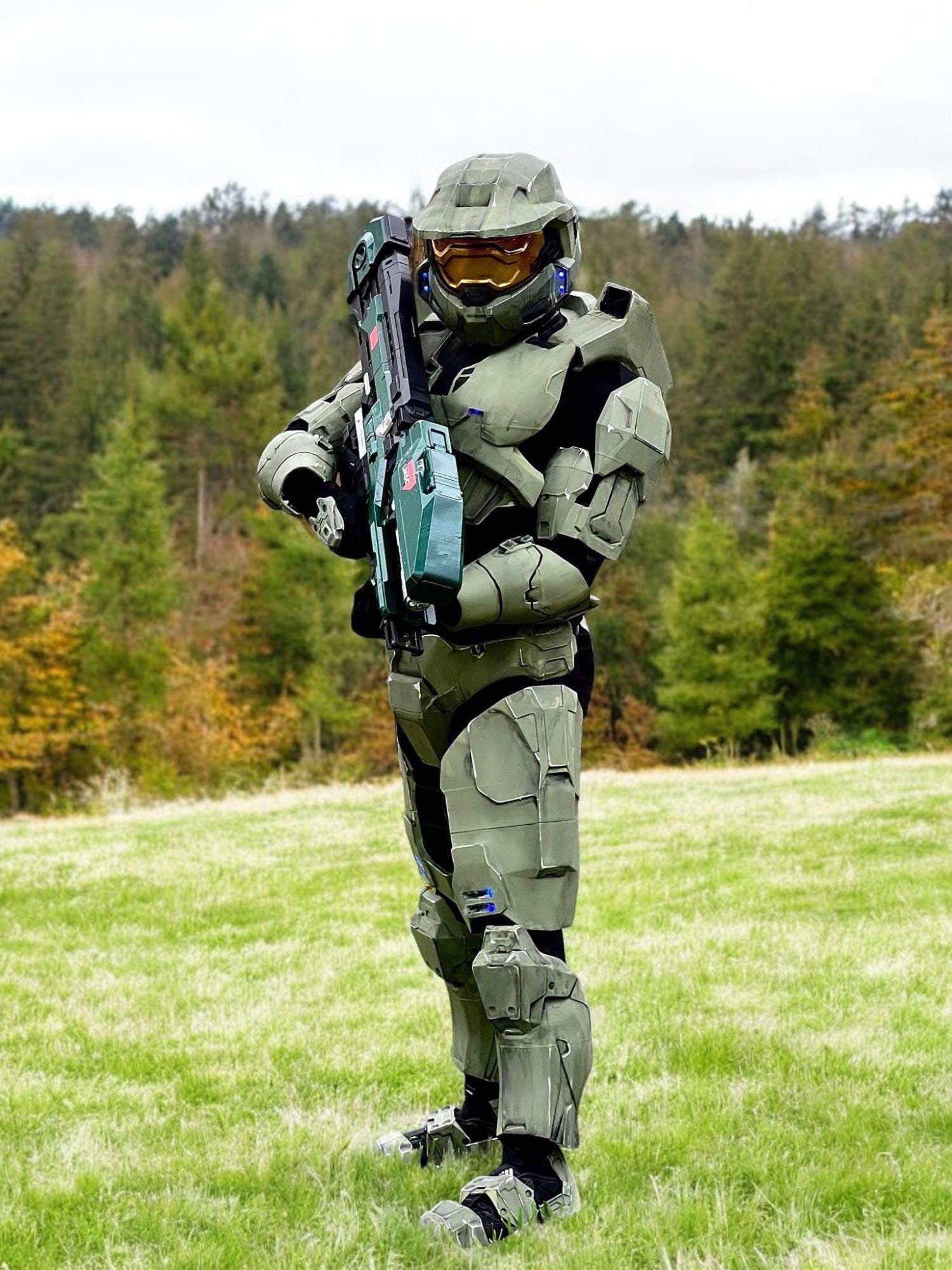
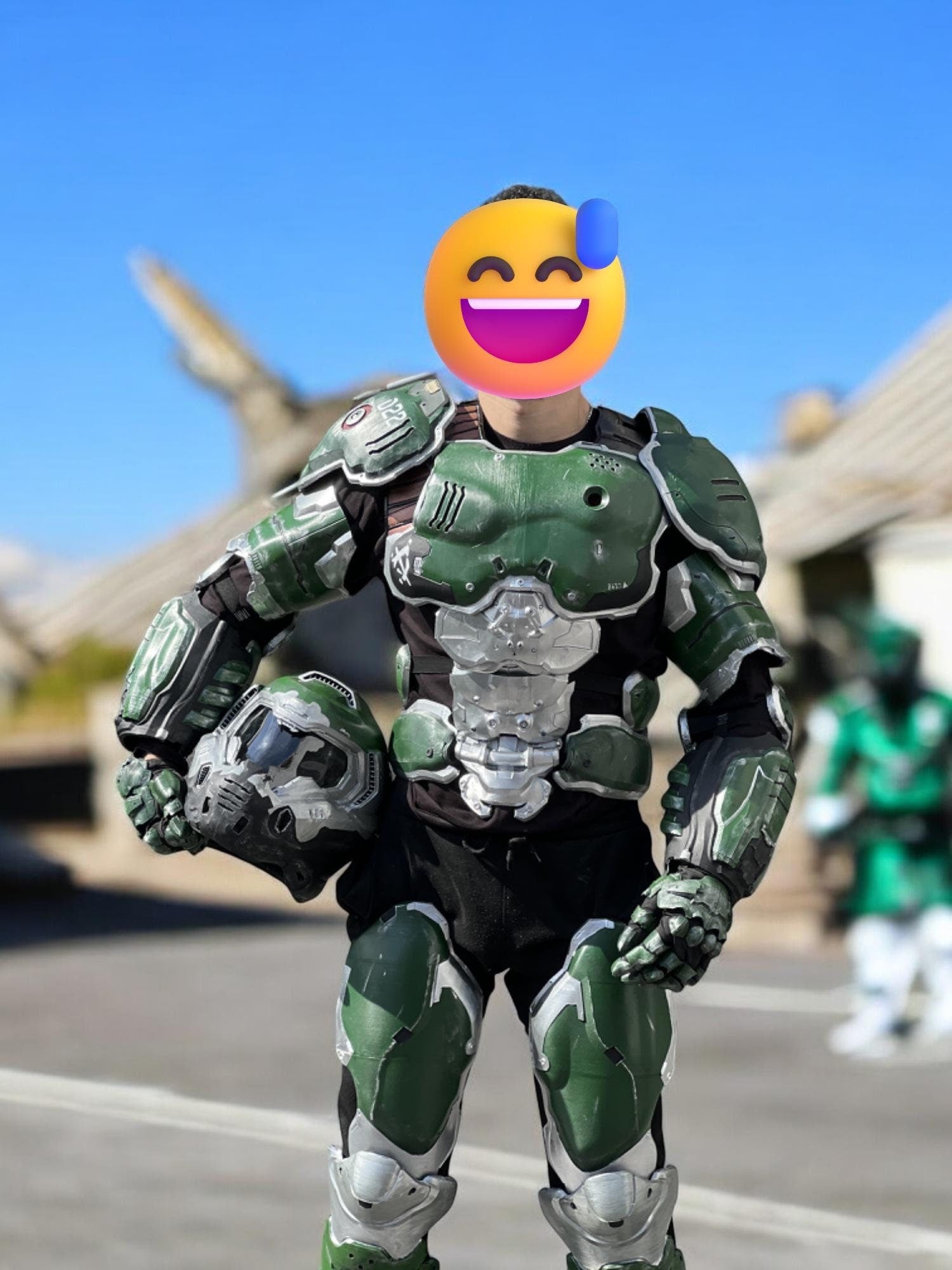
Texas Summers and Full Armor: A Survival Story
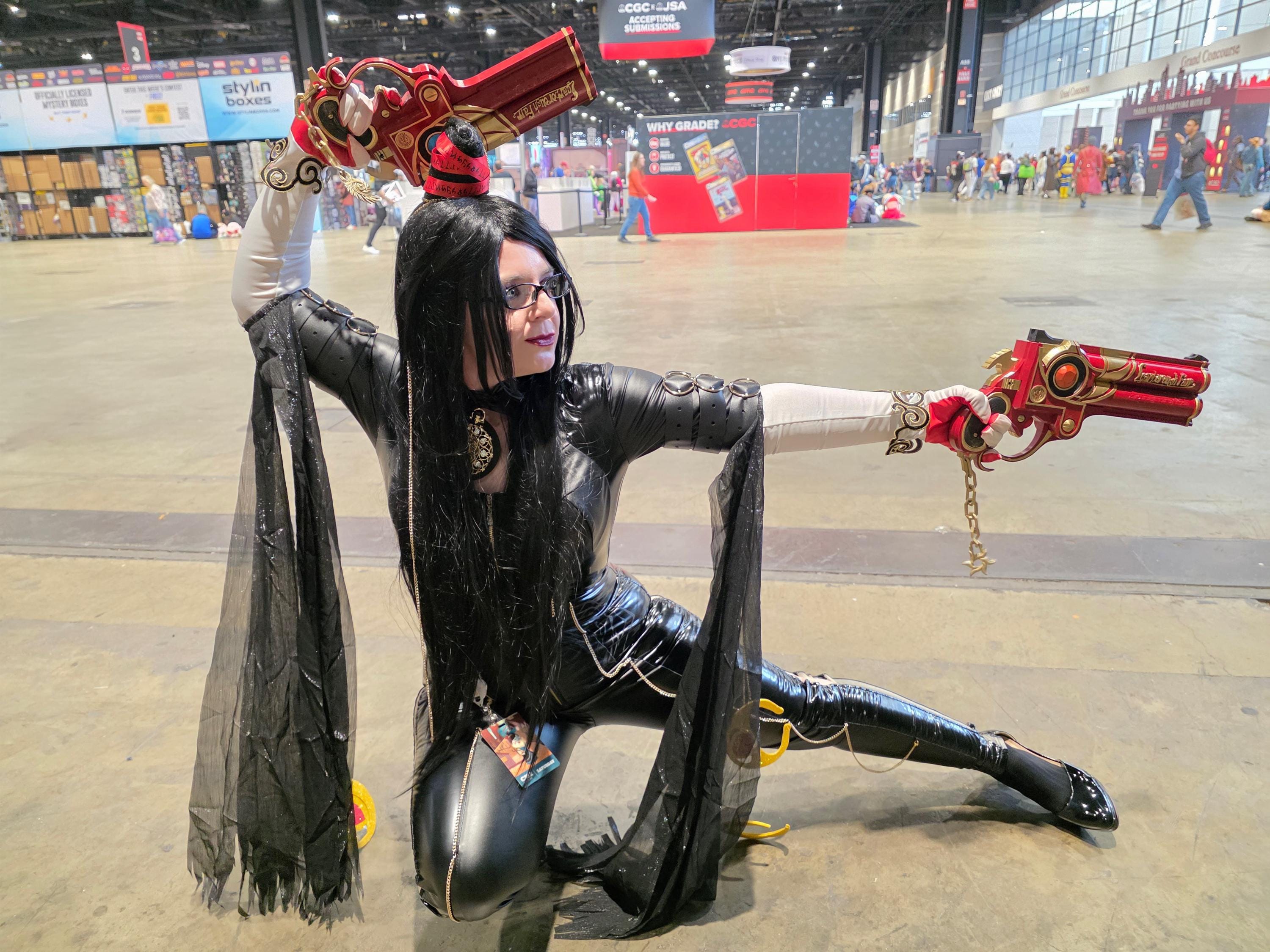
If you're reading this from Houston, Austin, or San Antonio, you already know: wearing a full cosplay armor set in July is an act of dedication bordering on martyrdom. Texas convention season overlaps perfectly with peak heat and humidity, which means every cosplayer in armor needs a survival strategy.
Over the years, our customers have reported back with what works and what doesn't. This guide is the compiled wisdom of the cosplay community in the Lone Star State.
Pre-Convention Preparation
Choose lighter materials where possible. EVA foam armor is significantly lighter than 3D-printed armor, which matters a lot when you're also sweating. For pieces that don't need the hard surface of a print — like large back plates or shoulder guards — foam may be a smarter choice in Texas summer heat.
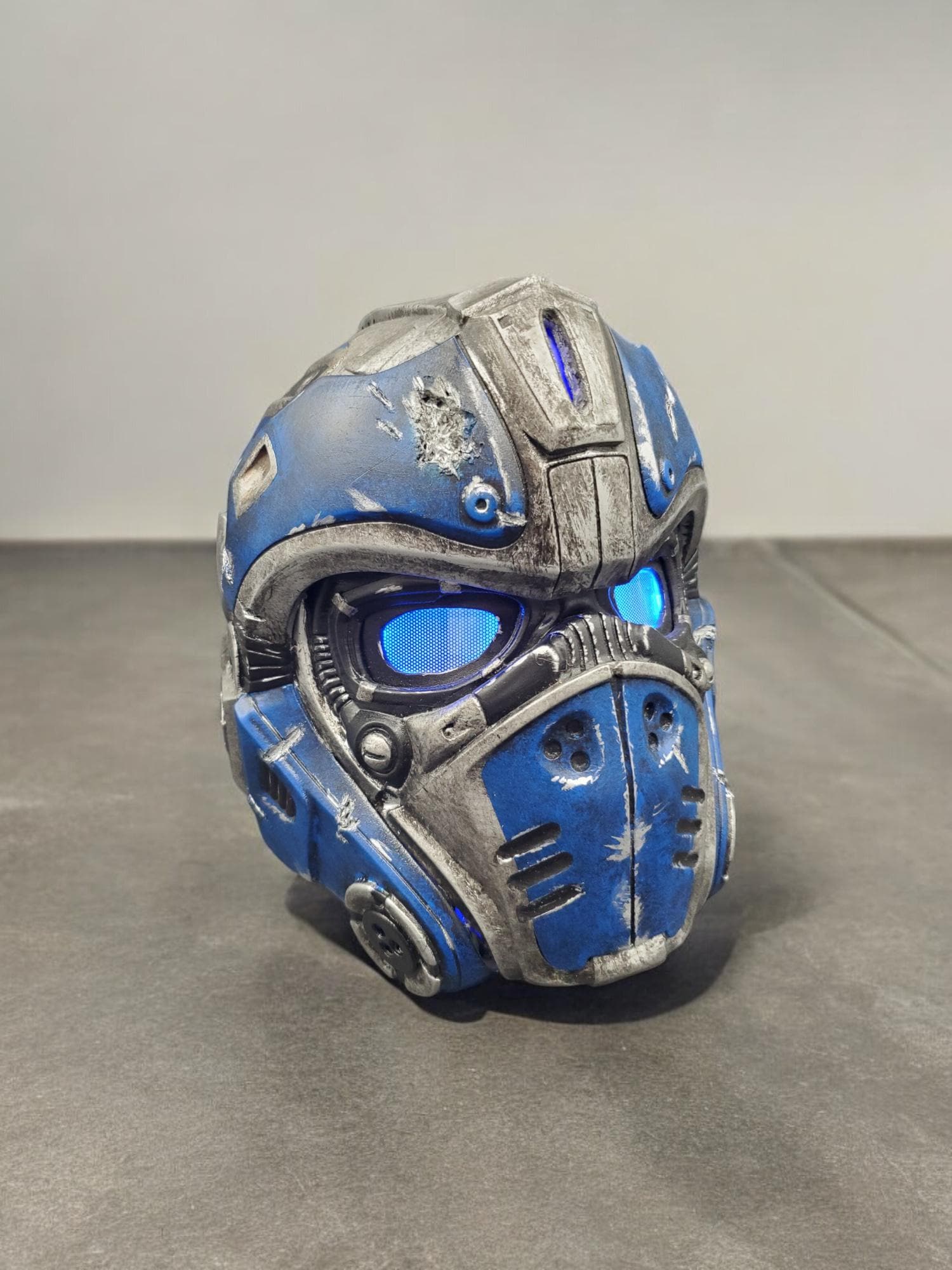
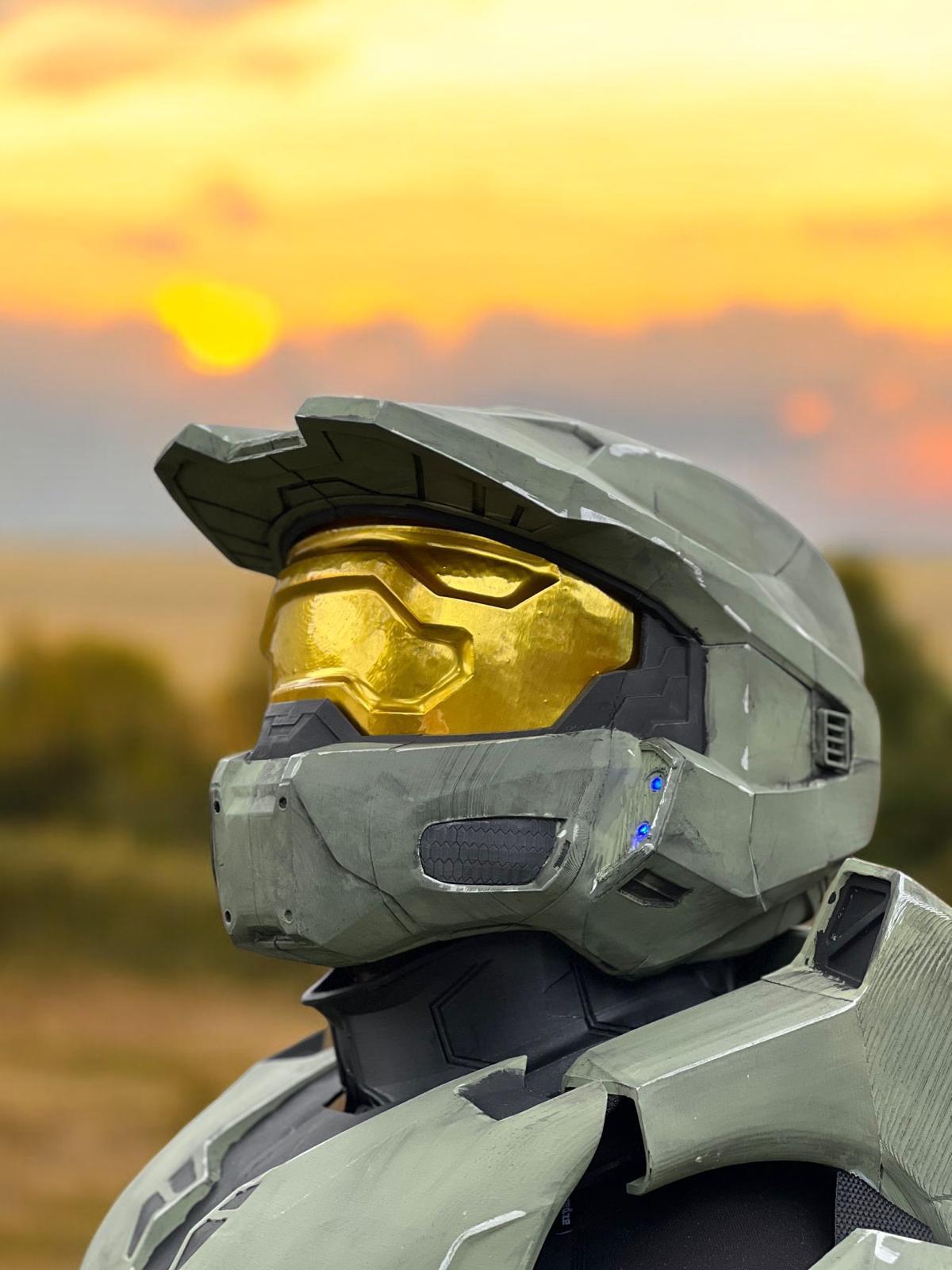
Build ventilation into your helmet. We offer helmets with ventilation ports built into the sides or back. These look like battle damage or design details but actually allow air flow. If you're ordering a helmet for a Texas summer convention, ask us about ventilation options.
Test wearing everything before the event. This sounds obvious but so many people don't do it. Wear your full costume at home for two hours minimum. Note where it pulls, where it overheats, and where it rubs. Convention day is not the time to discover your gorget rubs your collar bone raw after 45 minutes.
At the Convention
Plan your schedule around the heat. Outdoor photoshoots, walking between halls, and standing in lines are all high-heat activities. Try to time heavy armor for indoor, air-conditioned sections and save your most demanding pieces for when you're near climate control.
Hydrate before you feel thirsty. By the time you feel thirst in full armor, you're already behind. Bring a water bottle you can actually access while in costume. If your helmet has a removable chin section, use it. Many of our helmets are designed with this in mind.
Pack a cool-down kit. Small battery-operated fans, a cooling towel, and a change of base layers are convention survival essentials. The cooling towel goes around your neck between your armor and skin during breaks.
Bring a costume buddy. Having someone who can help you in and out of armor pieces — and who knows where your water is — is invaluable. Many armor sets require another person to help with back clasps and pauldron adjustments anyway.
Care for Your Armor
Sweat is the enemy of many prop materials. For 3D-printed pieces with a painted finish, sweat generally won't damage the exterior — but it can work its way into seams and strapping over time. After a convention day, wipe down the interior of helmets and armor with a damp cloth and allow everything to air dry fully before storing.
For foam armor, sweat can cause warping over time if stored compressed while damp. Lay foam pieces flat to dry before packing.
Costume Choices That Help in Heat
If you're planning a new build specifically for Texas summer events, consider these character options that naturally involve less coverage:
- Characters with a mix of armor and cloth (cloth sections breathe better)
- Builds that include open-face helmets or removable visors
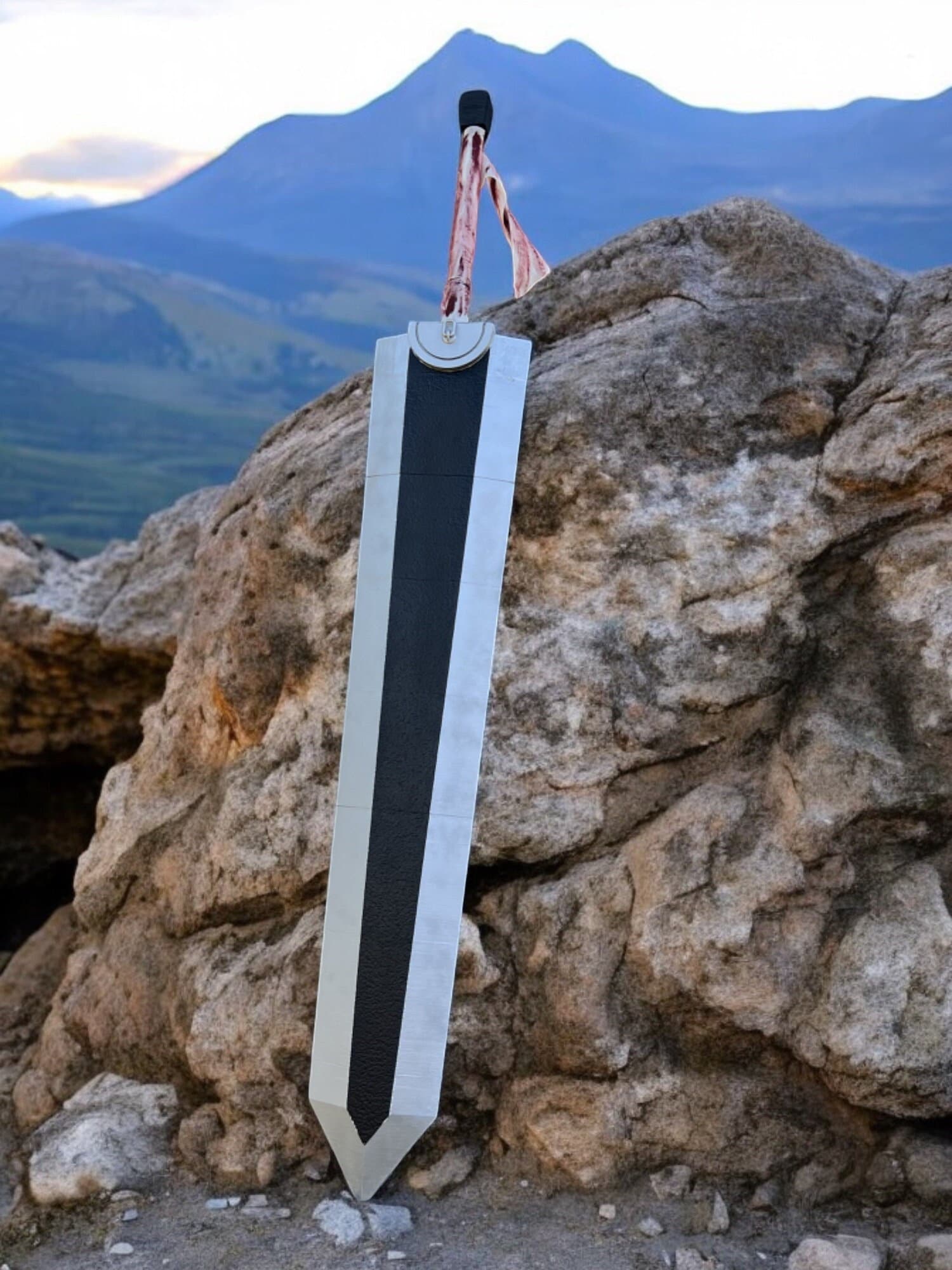
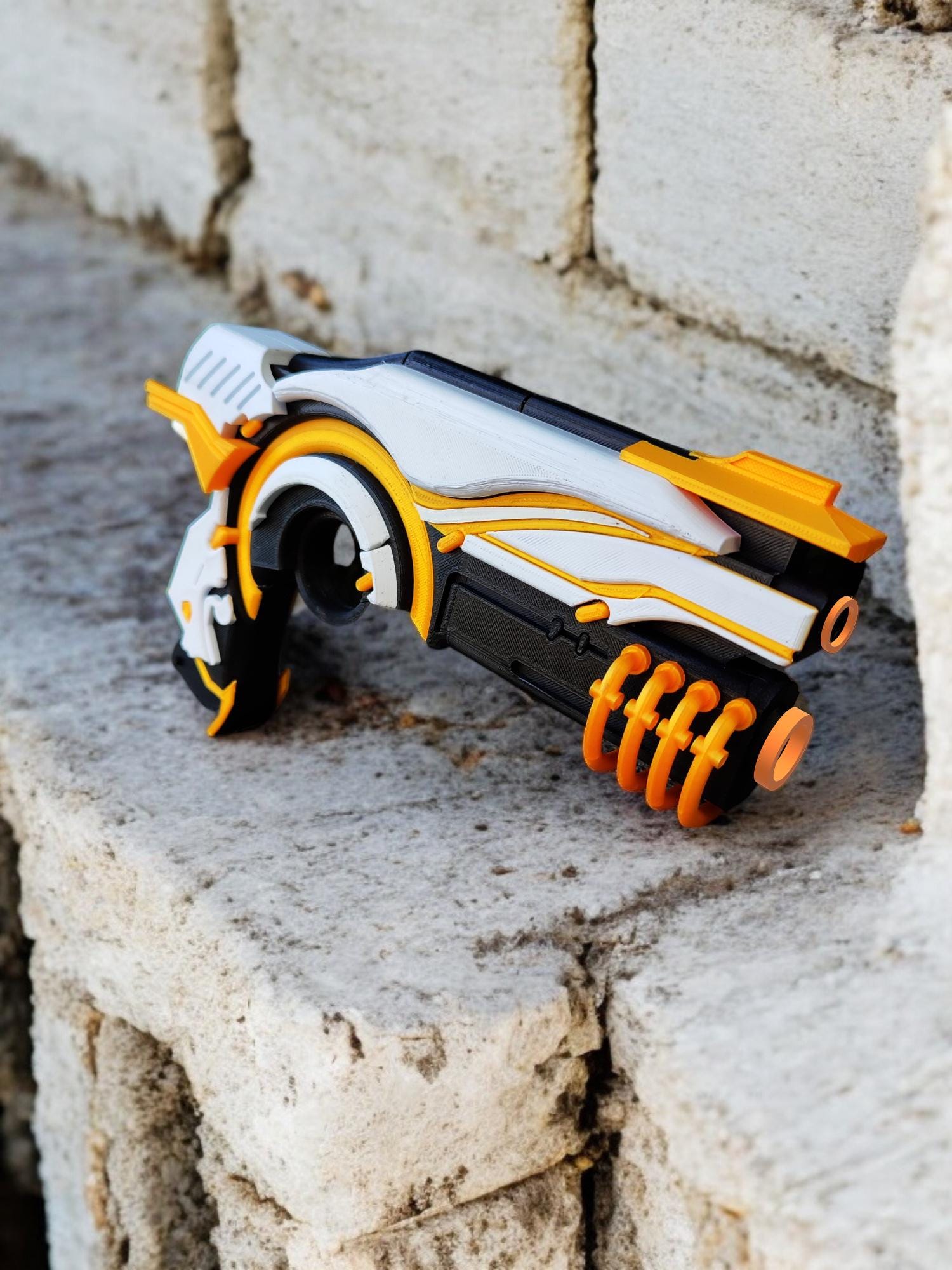
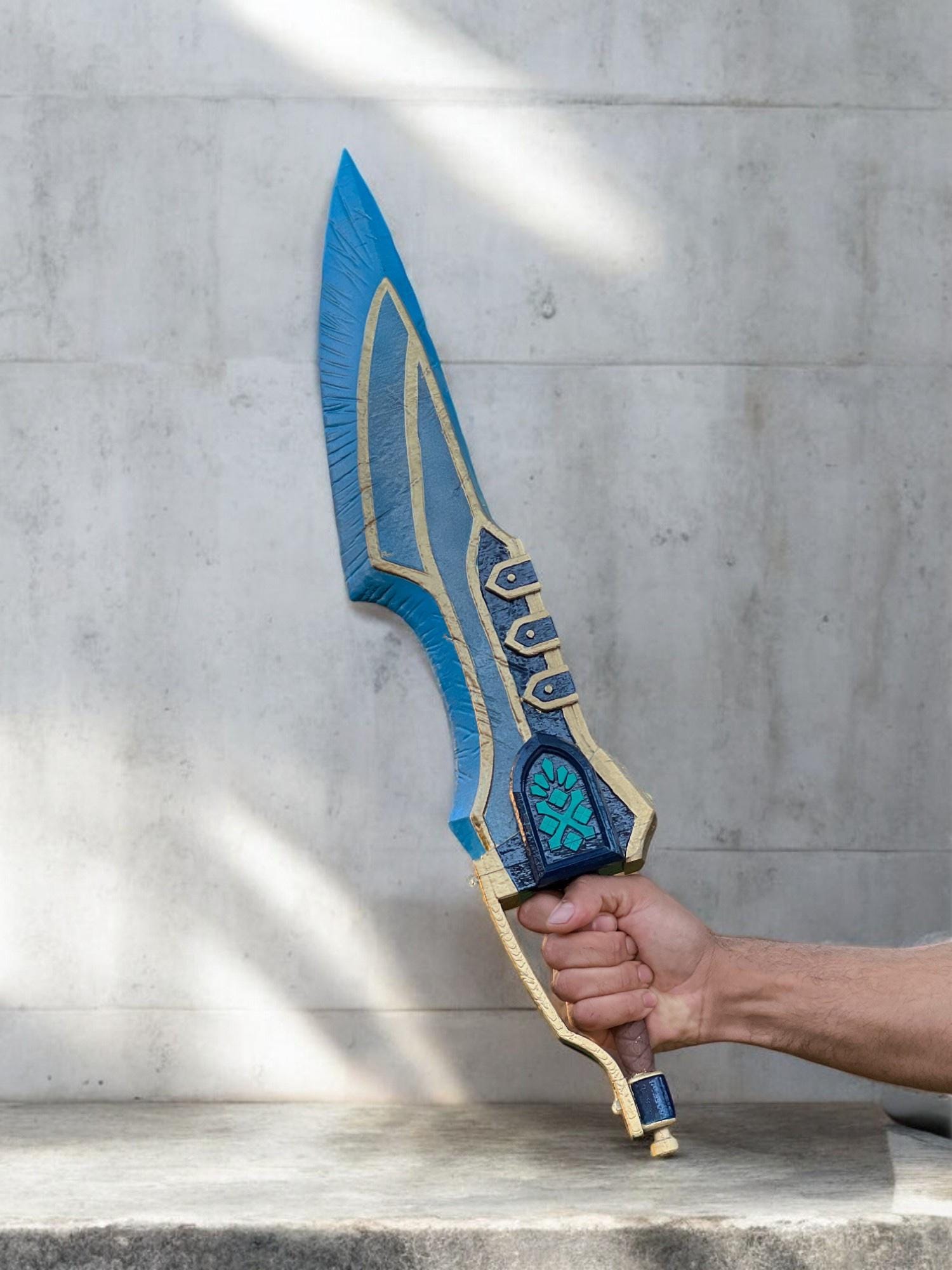
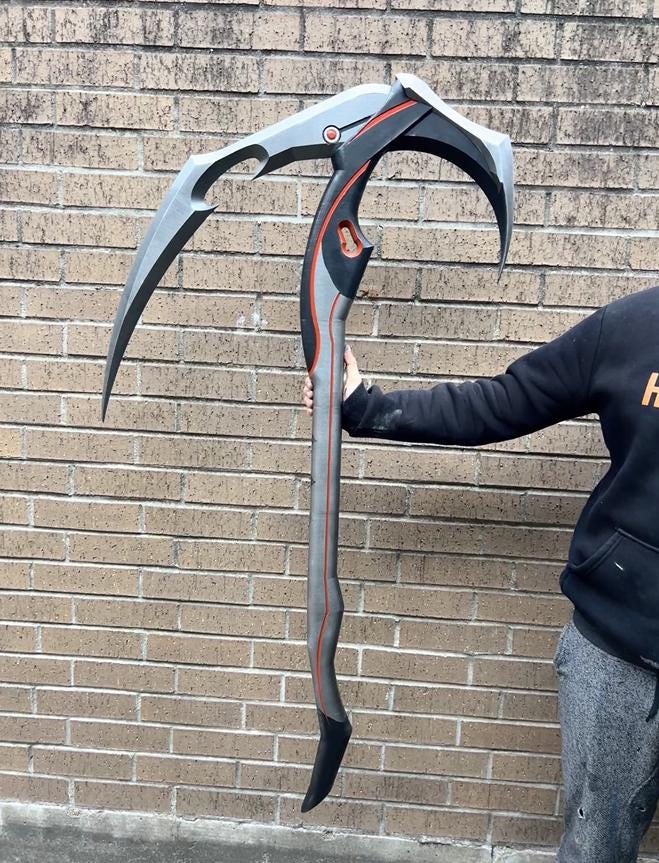
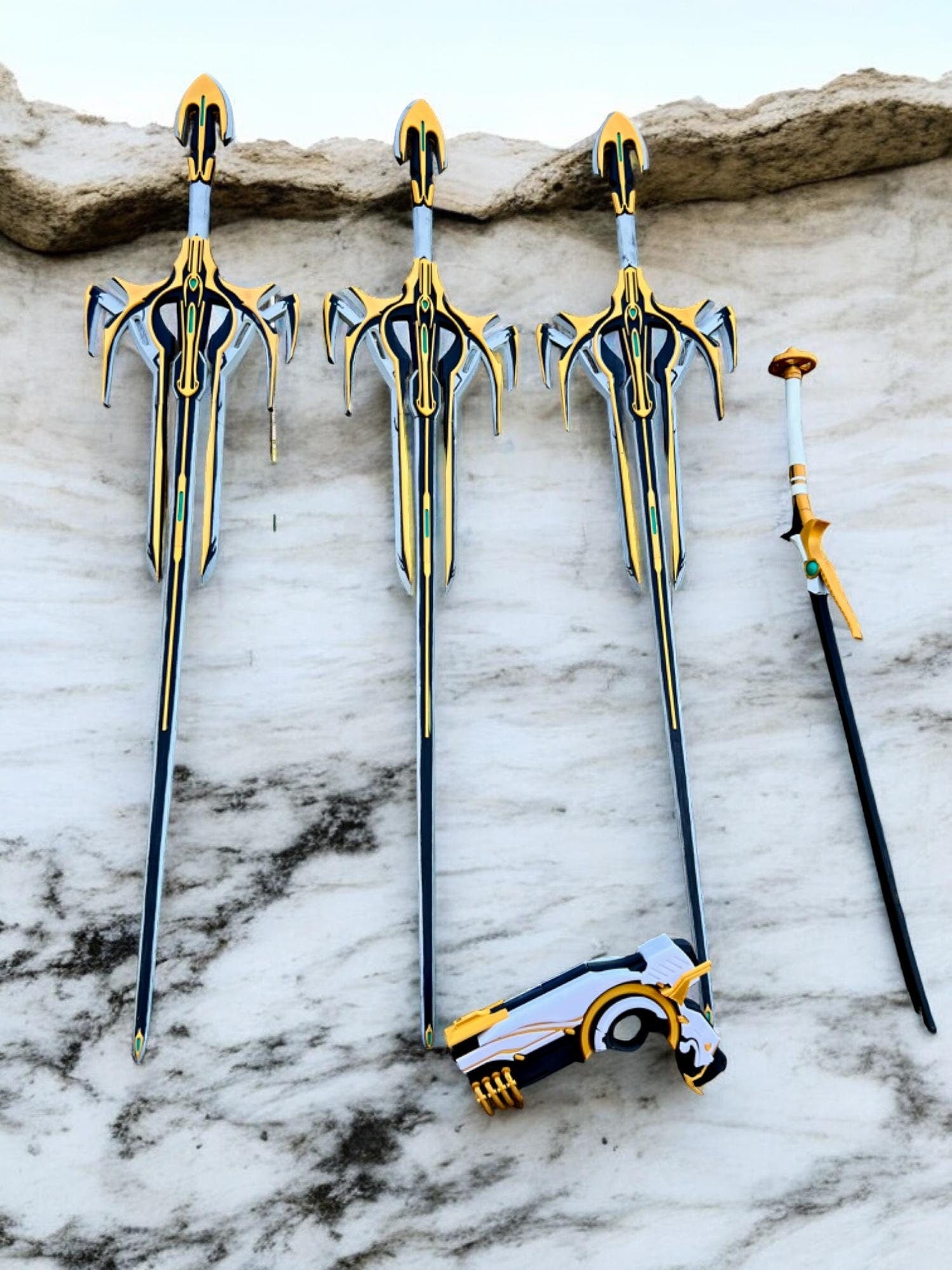
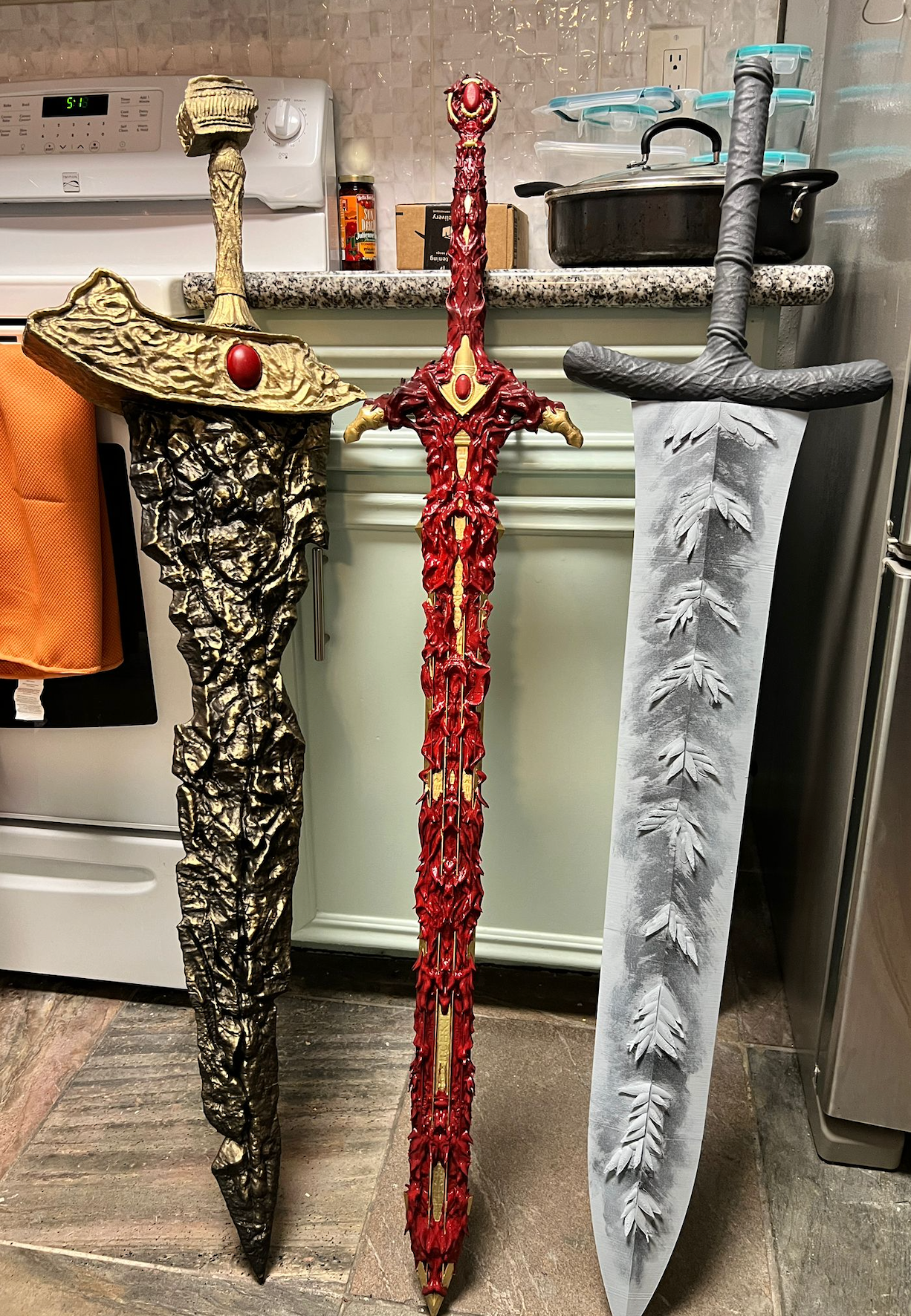
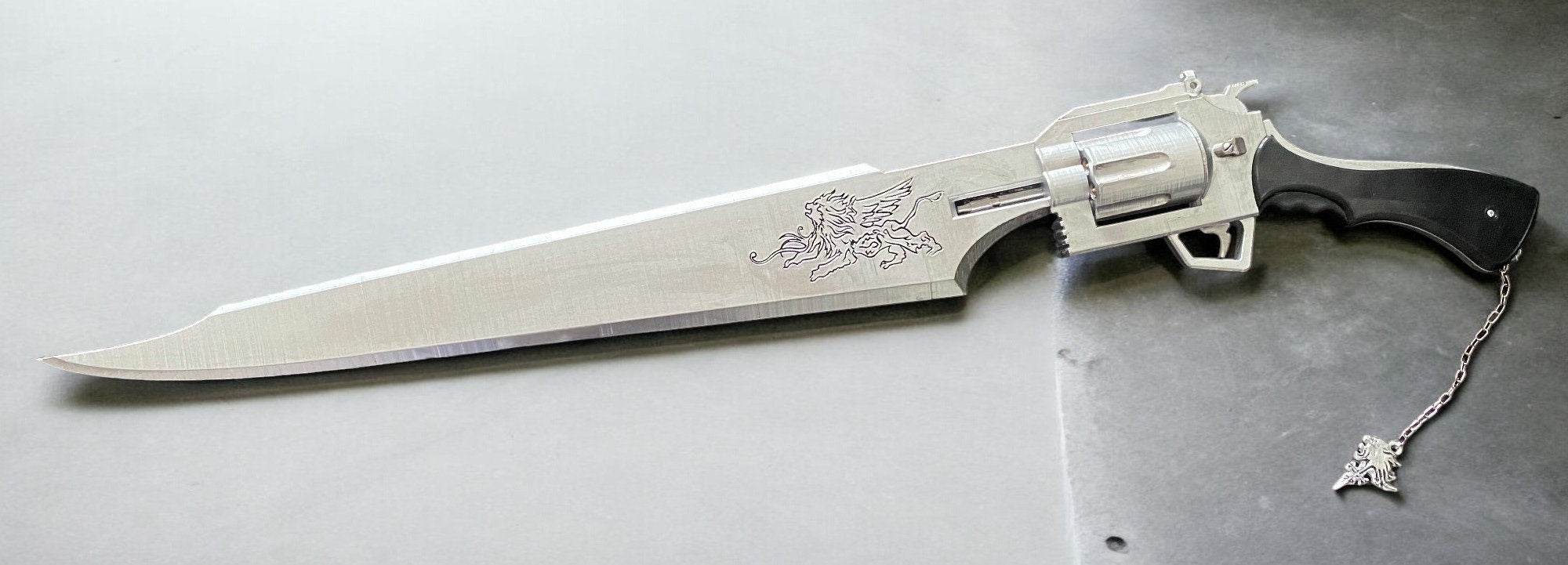
- Weapon-only props if you want to stay in character without full armor
- Half-armor builds where the chest is armored but arms are fabric