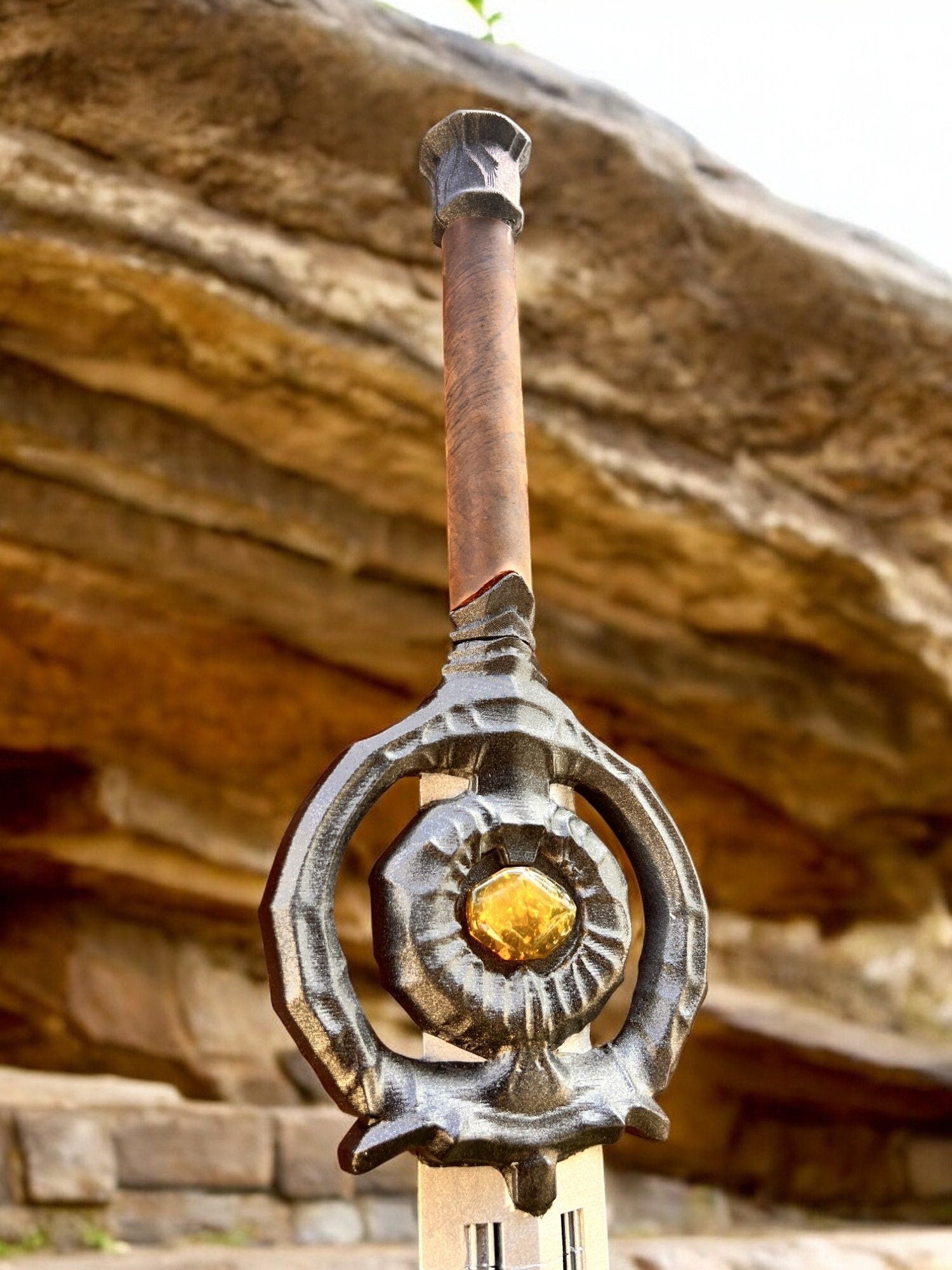
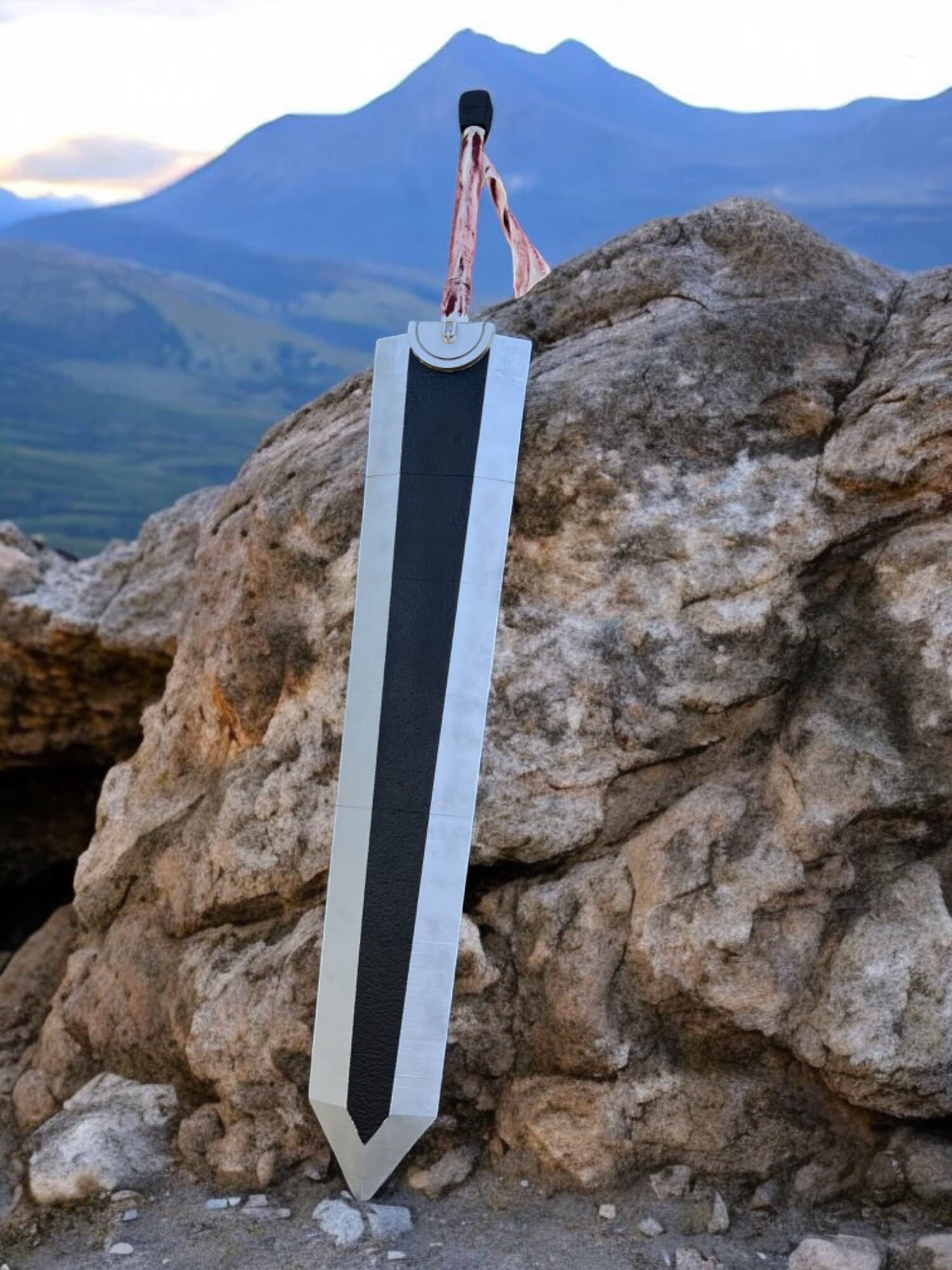
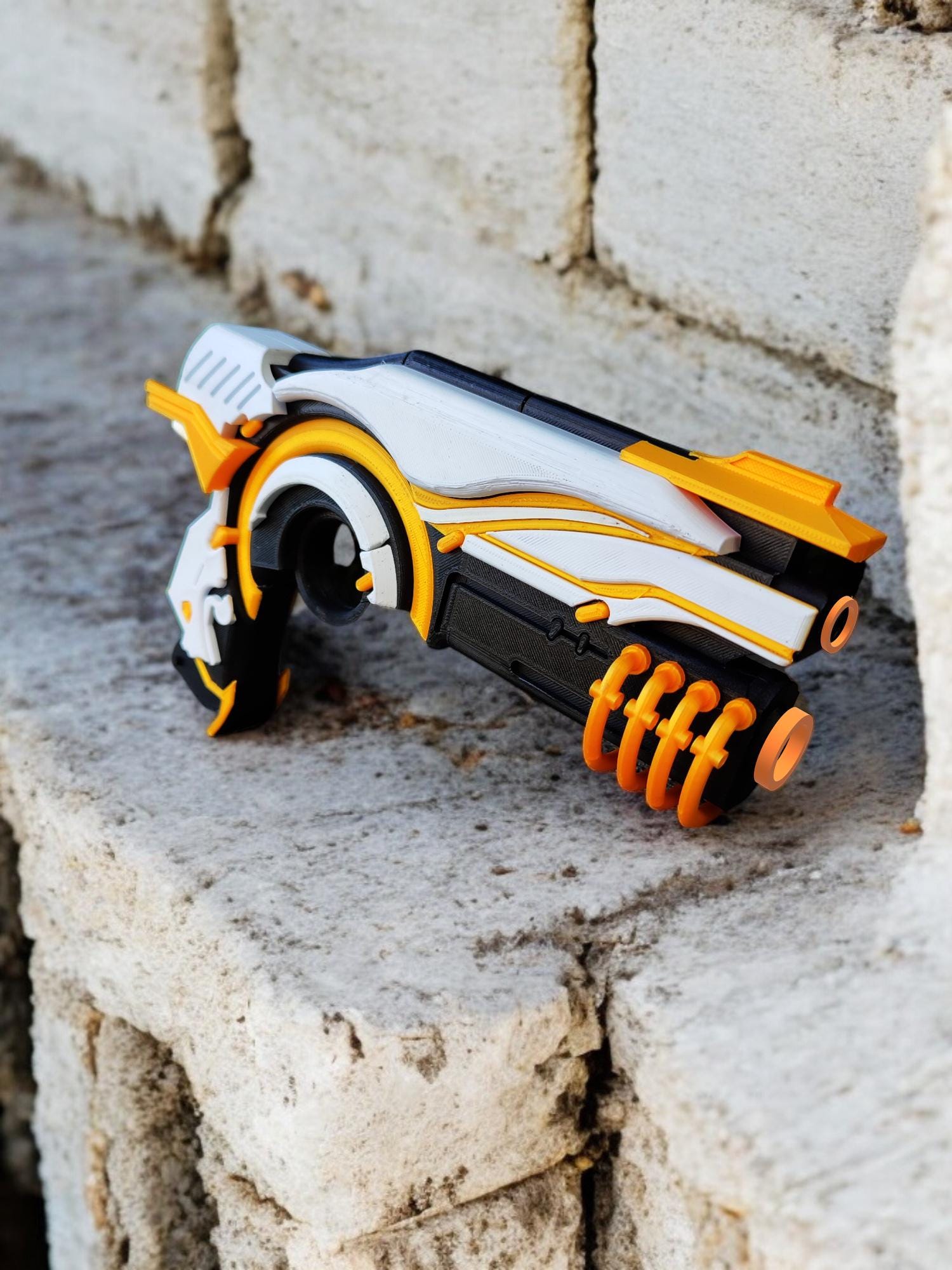
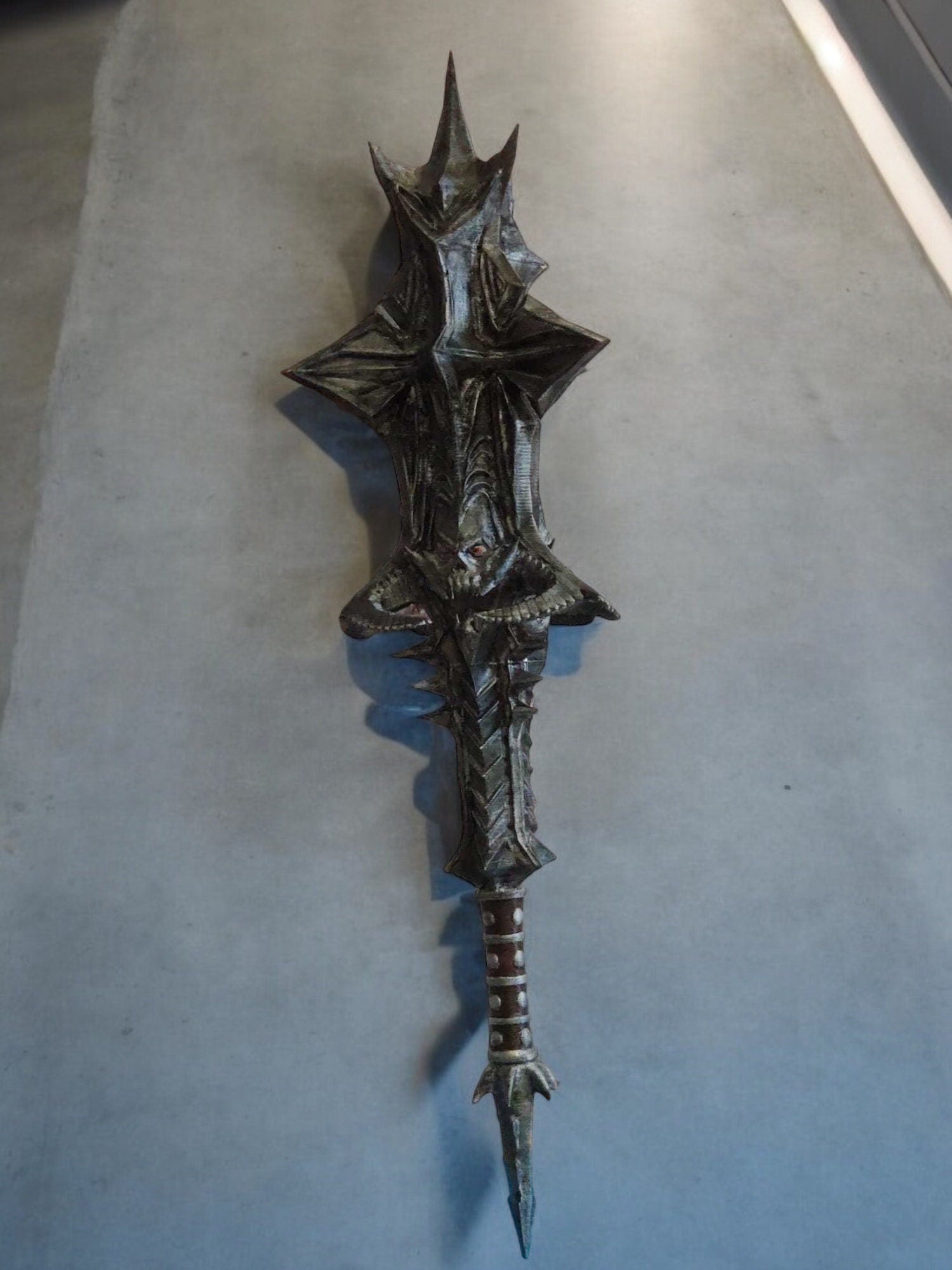
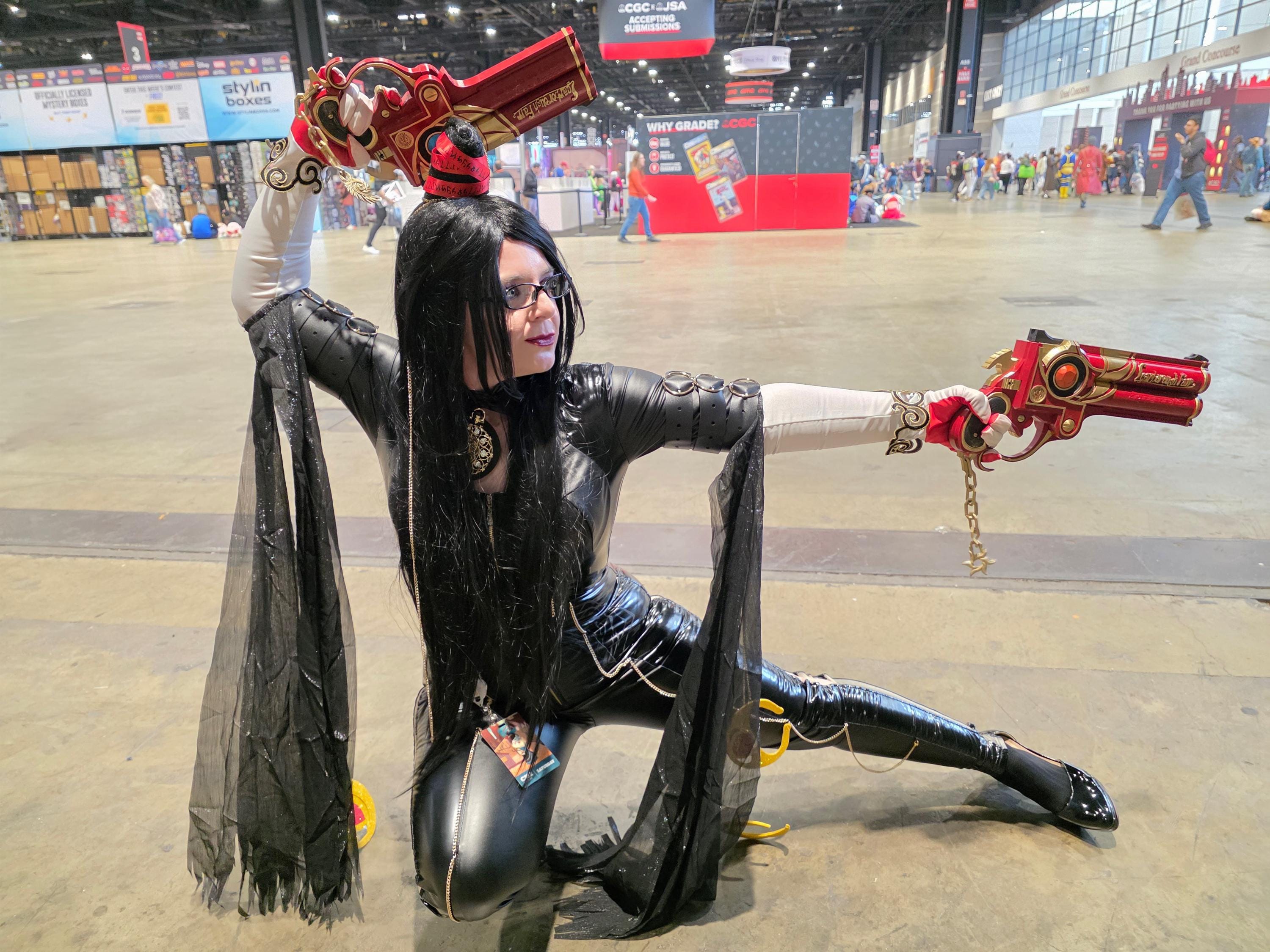
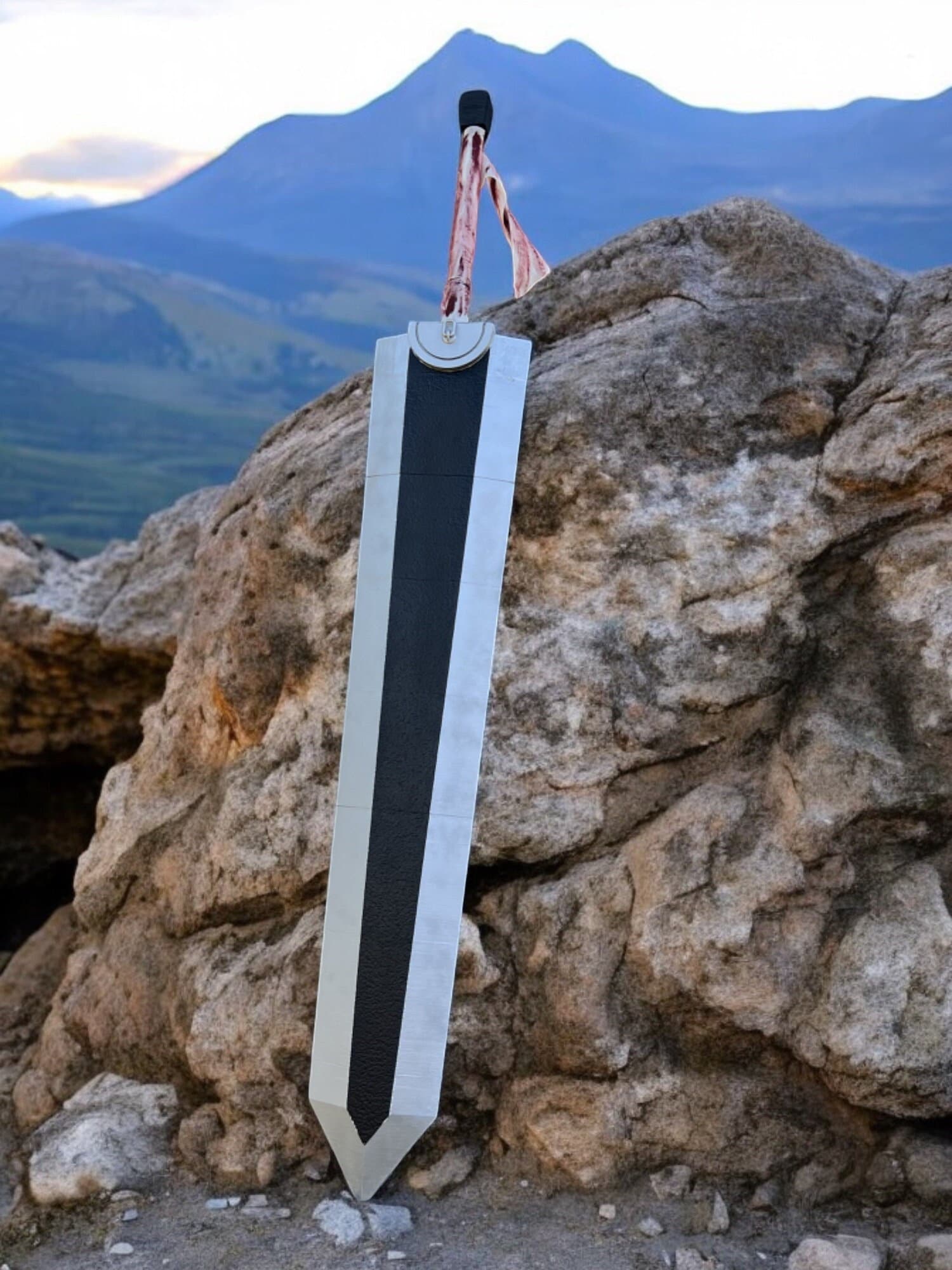
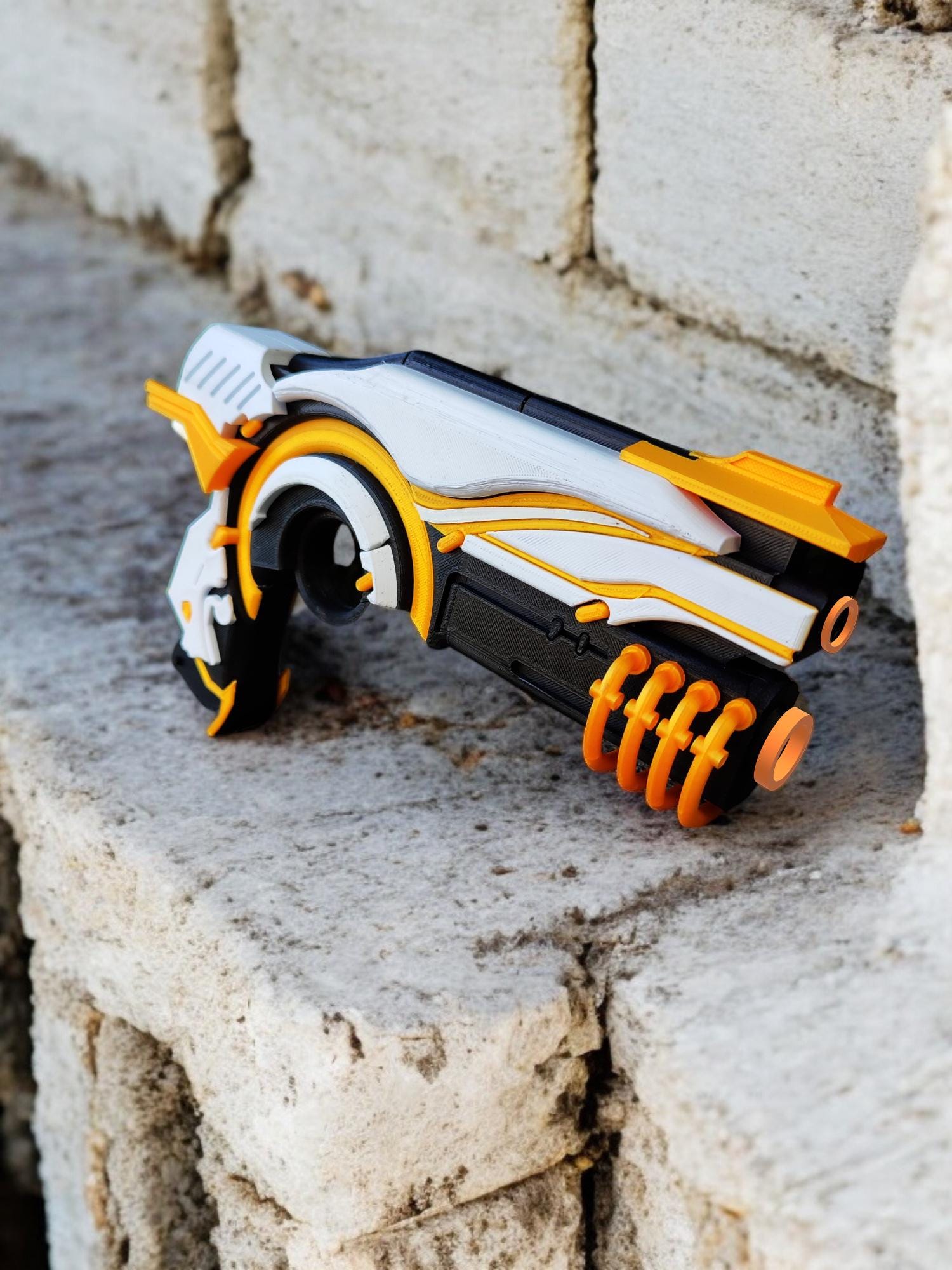
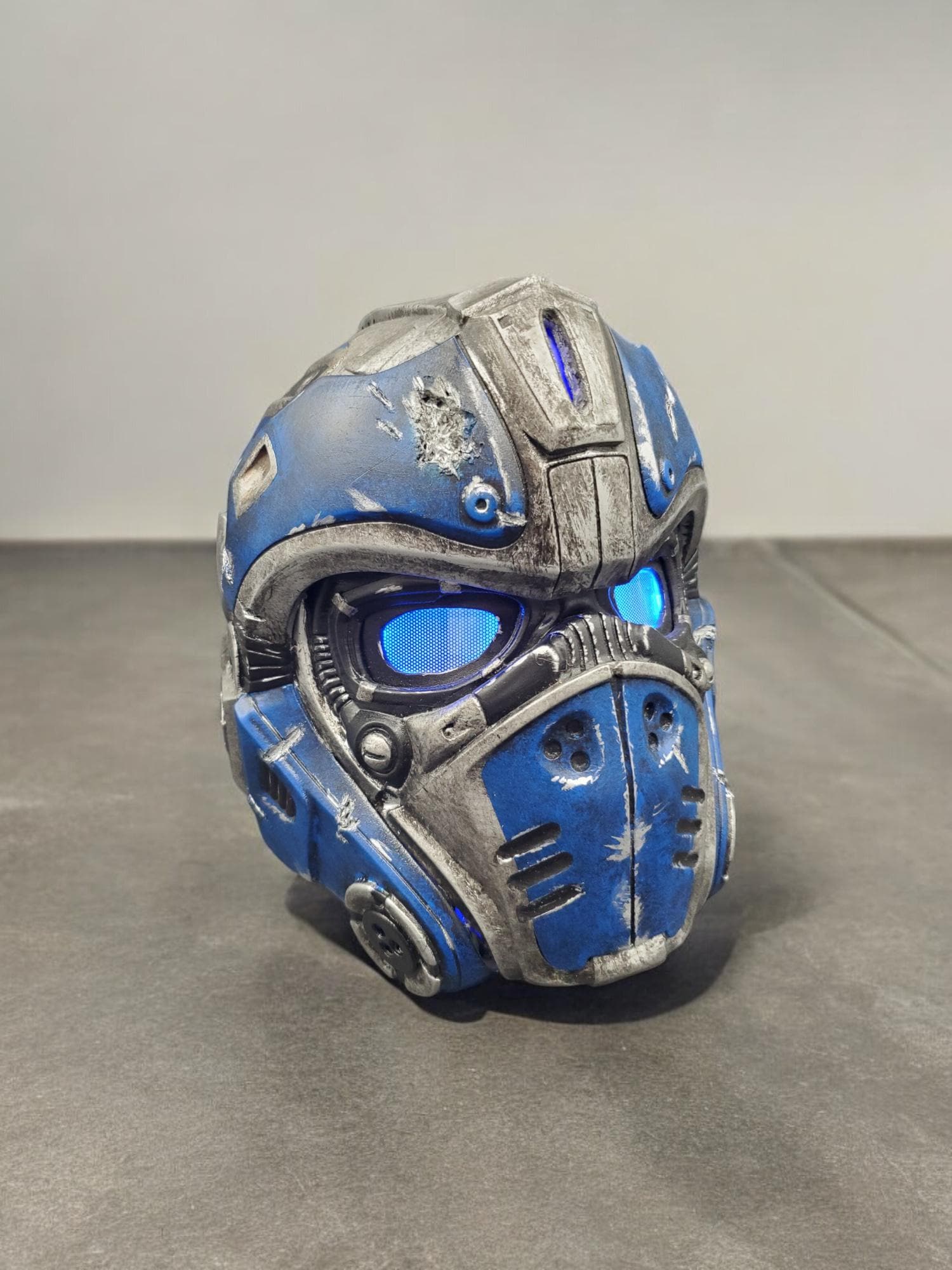
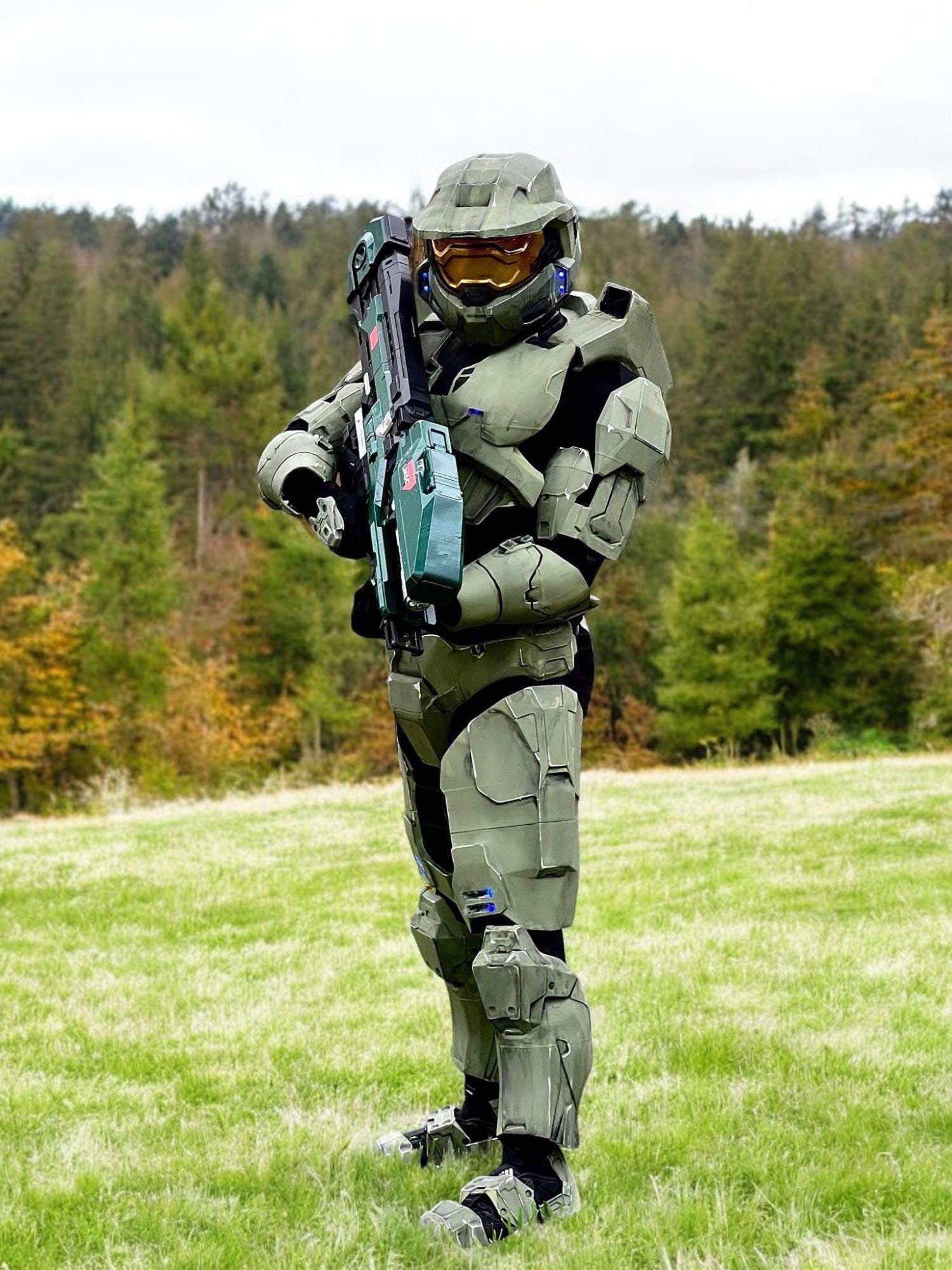
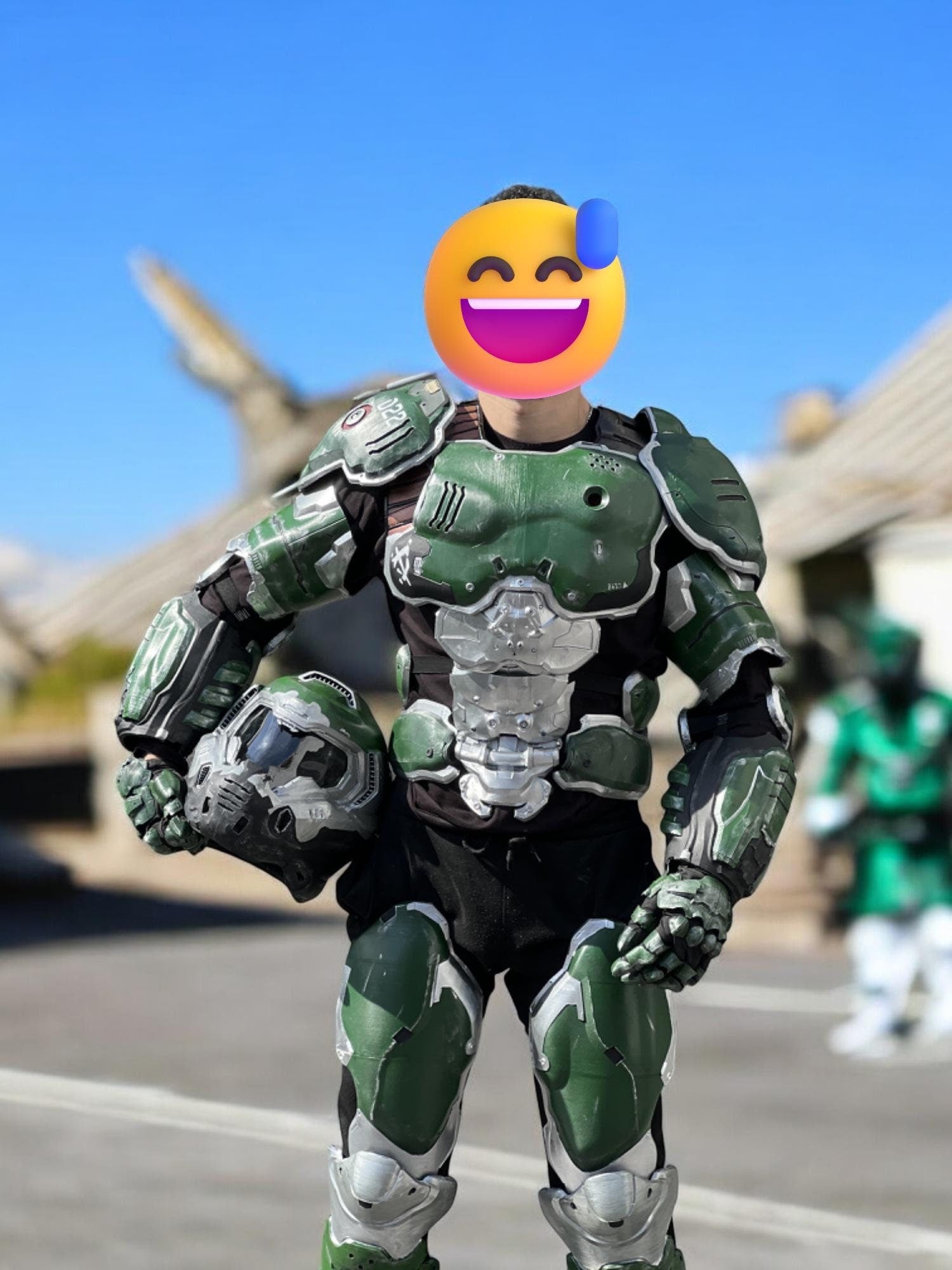
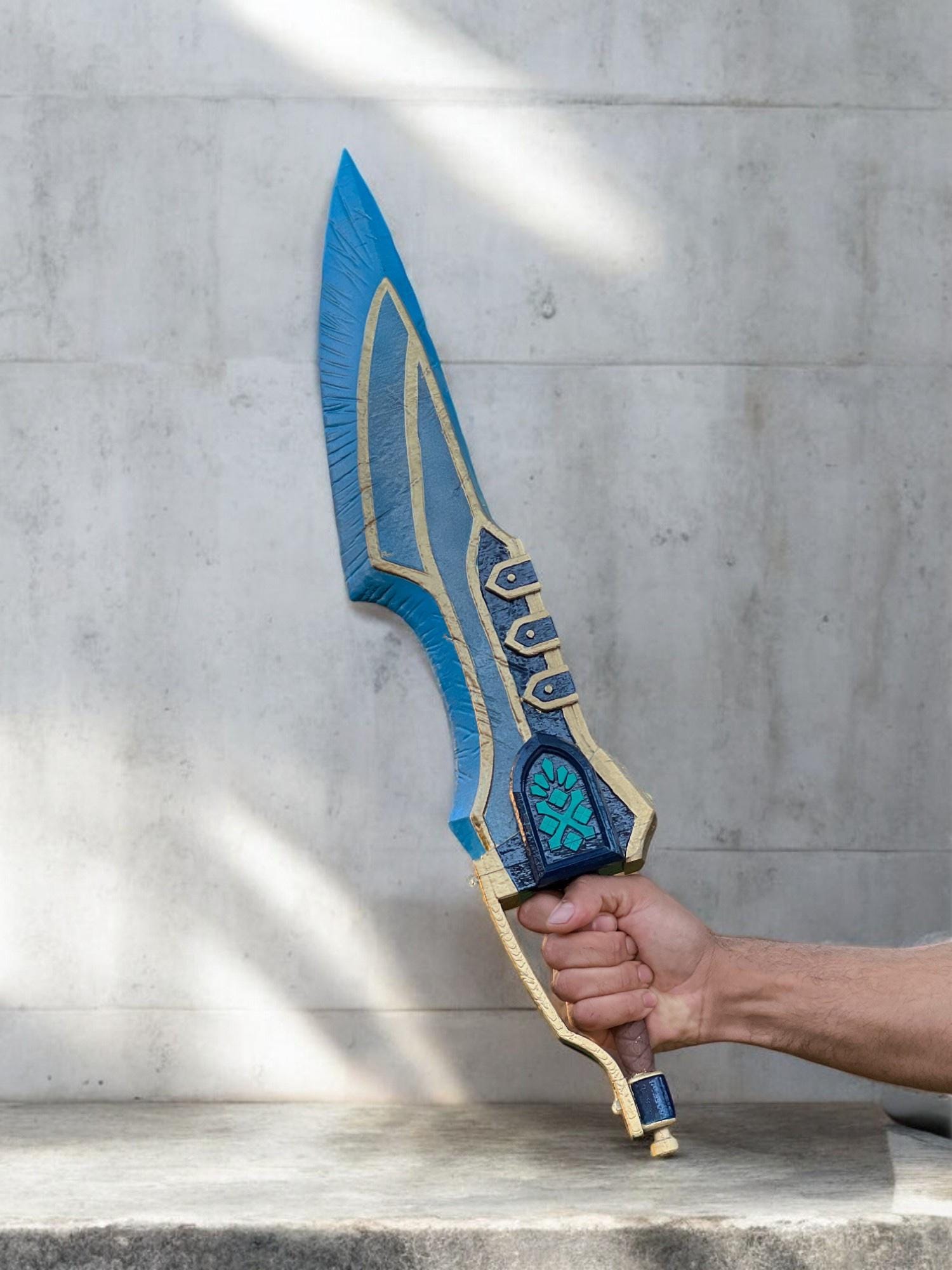
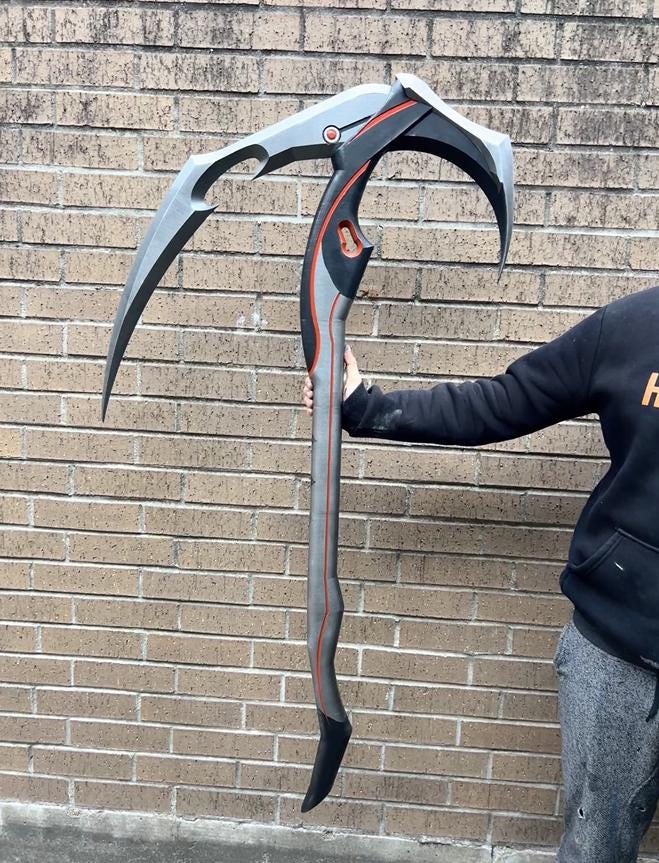
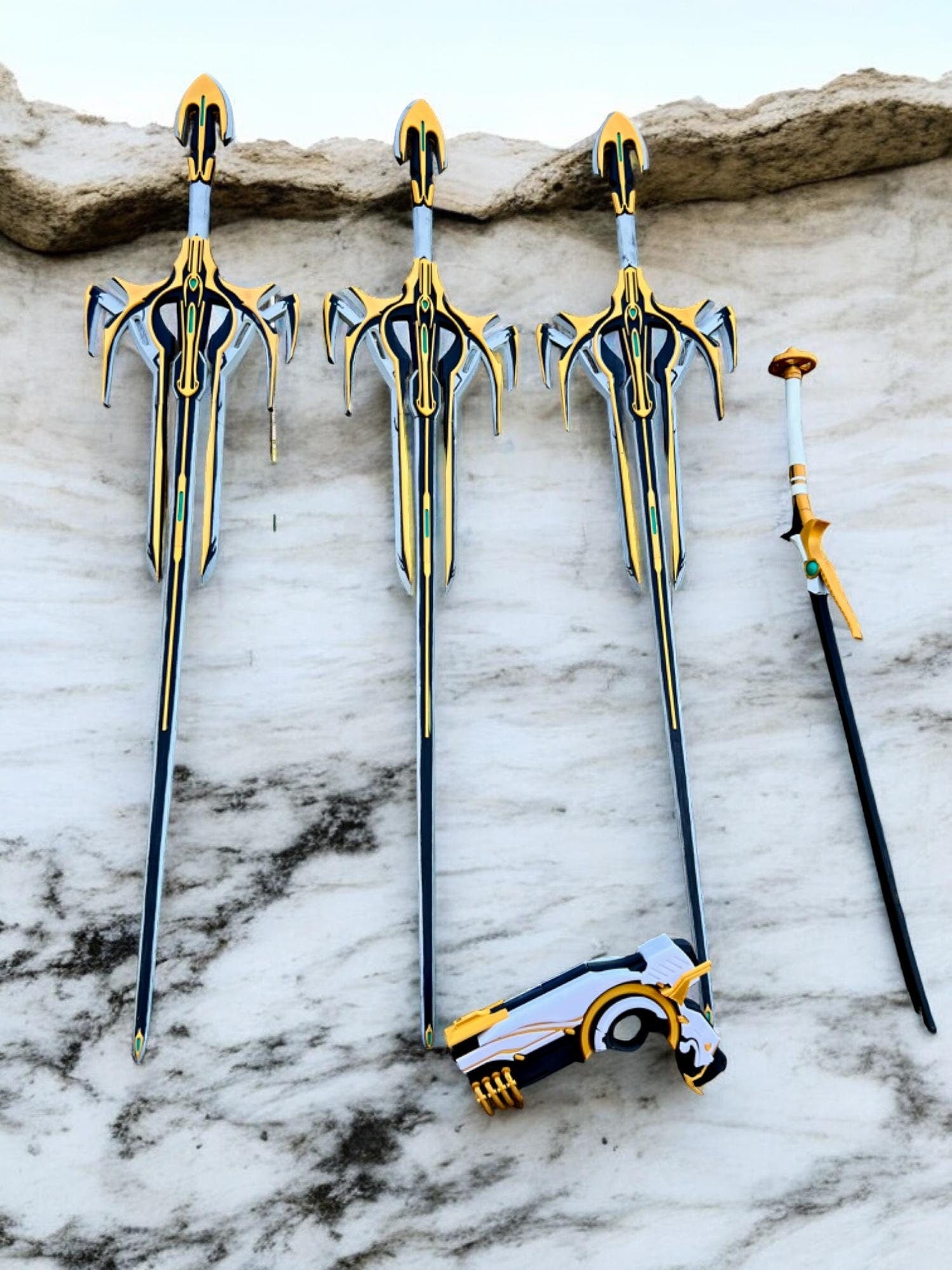
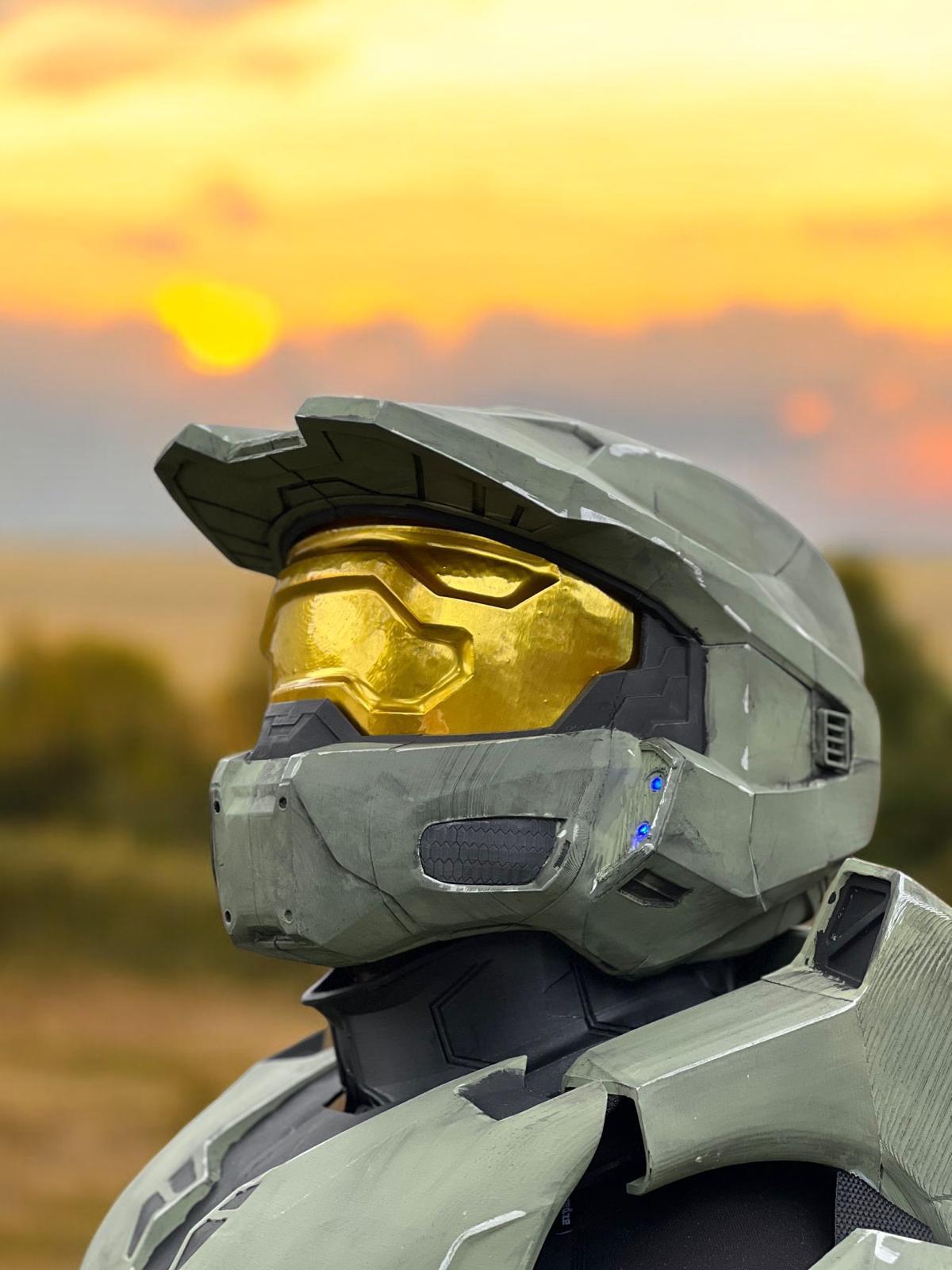
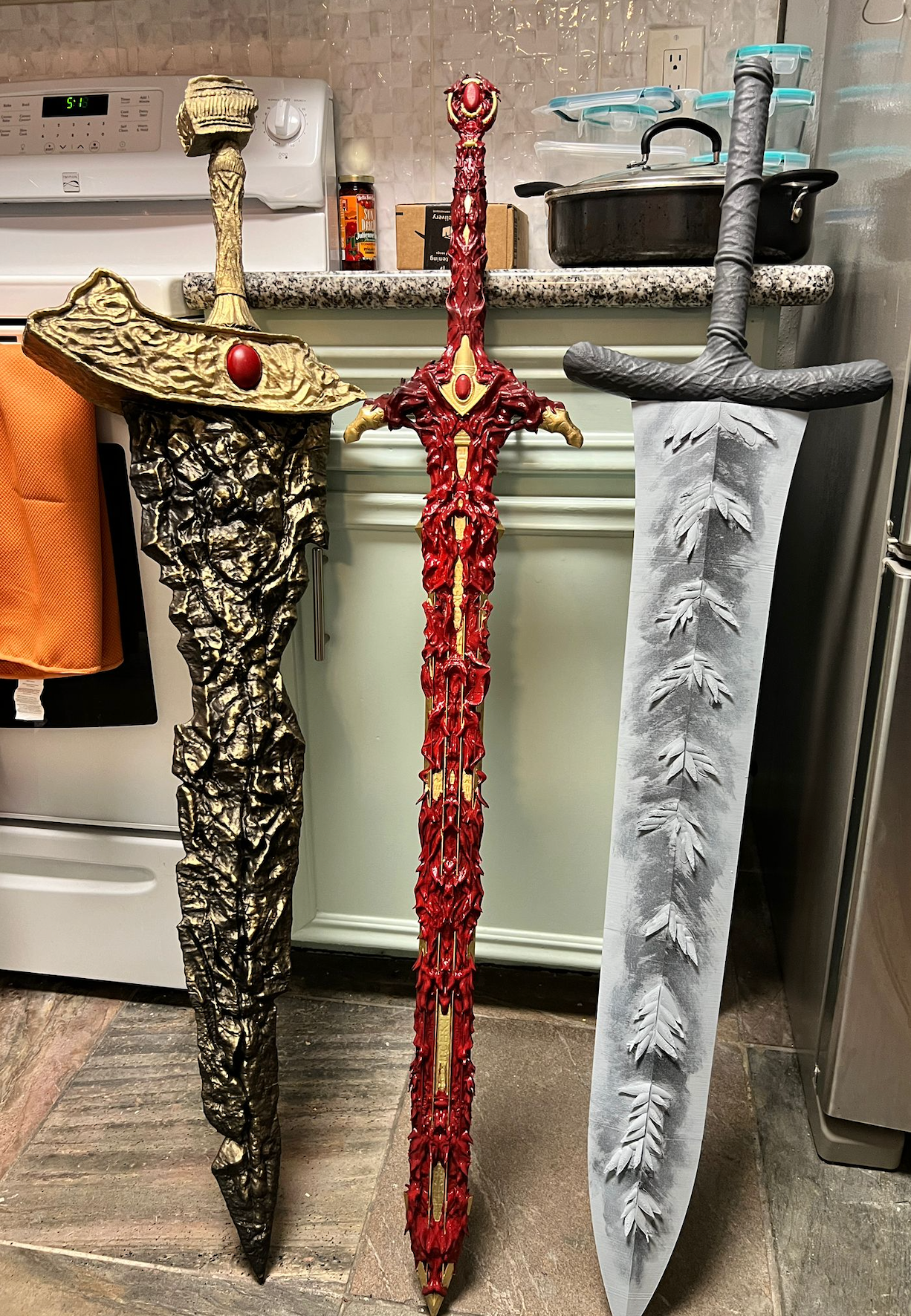
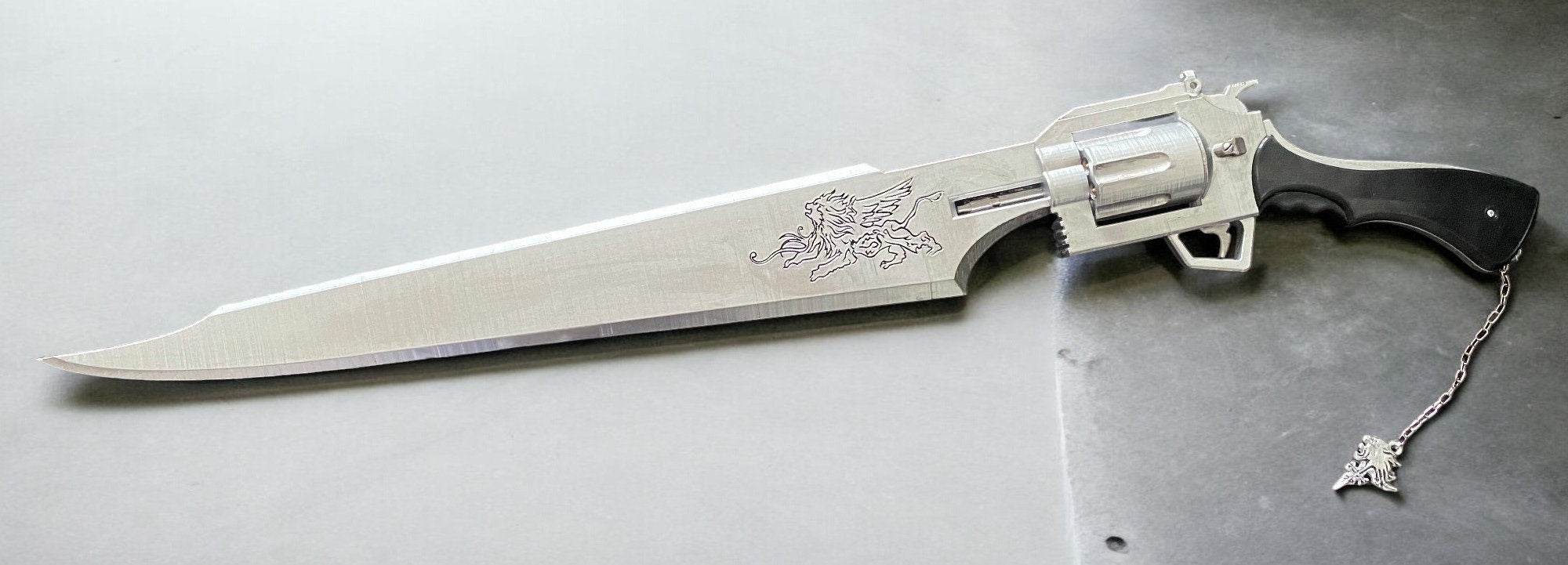
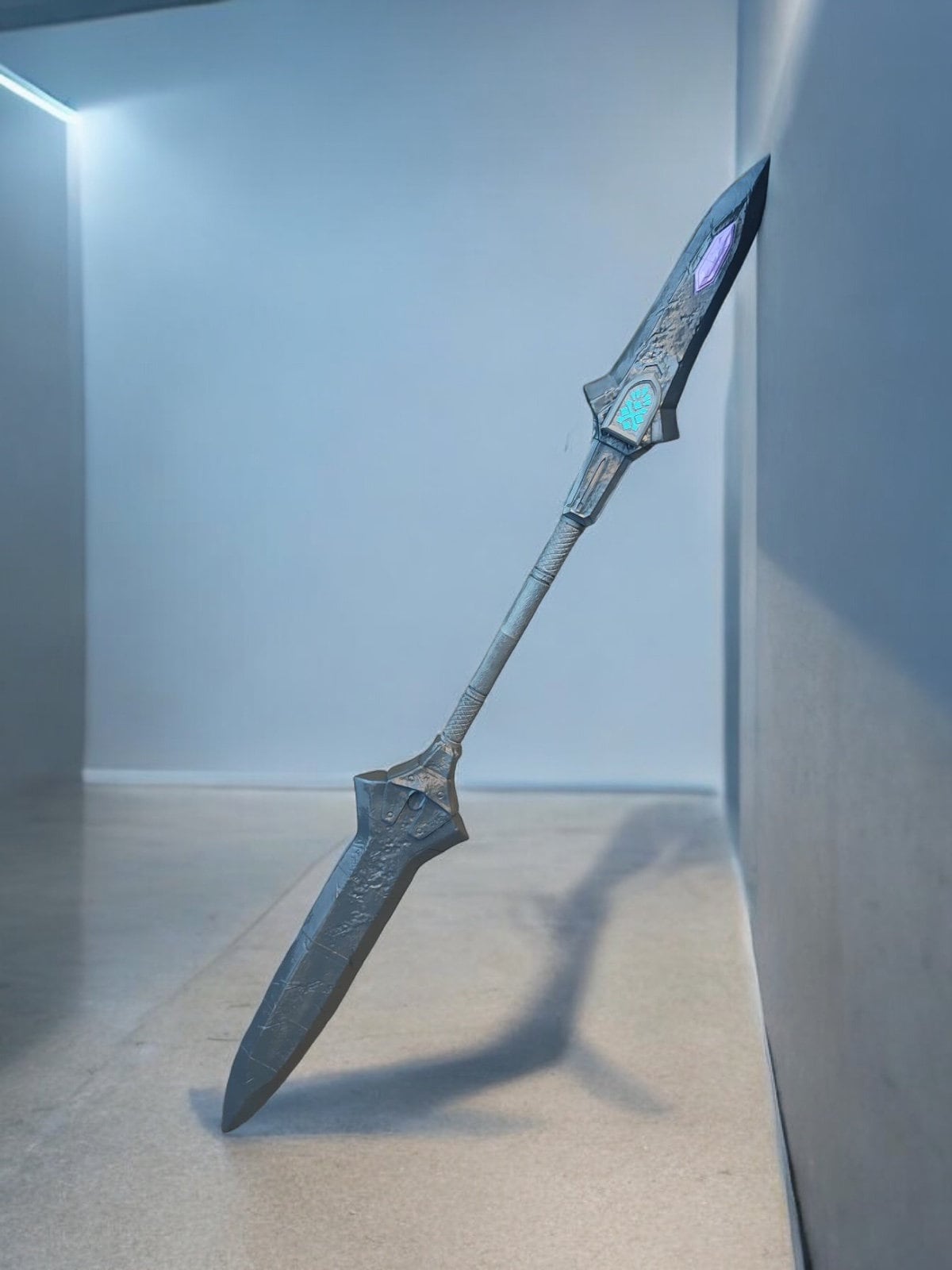
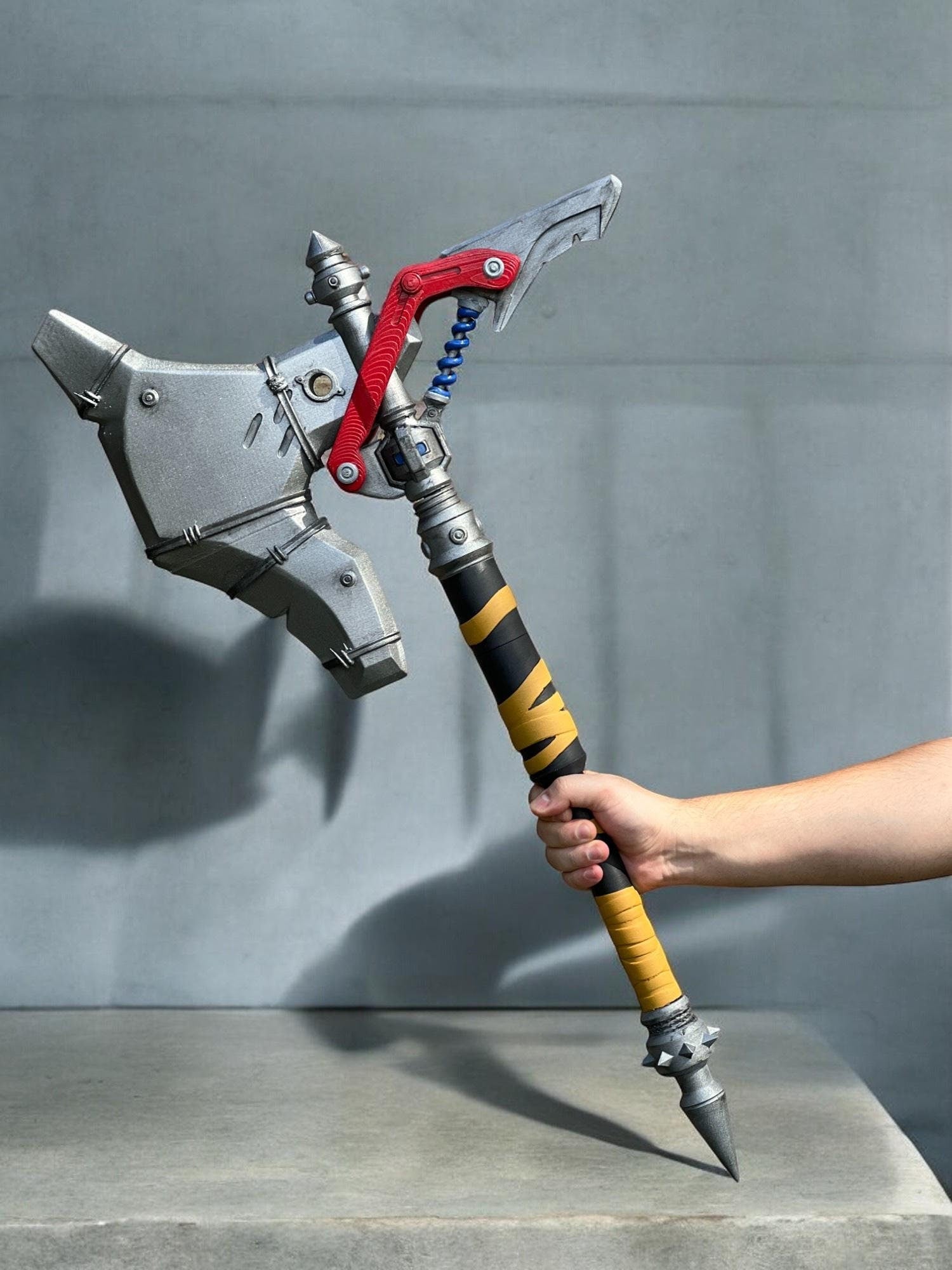
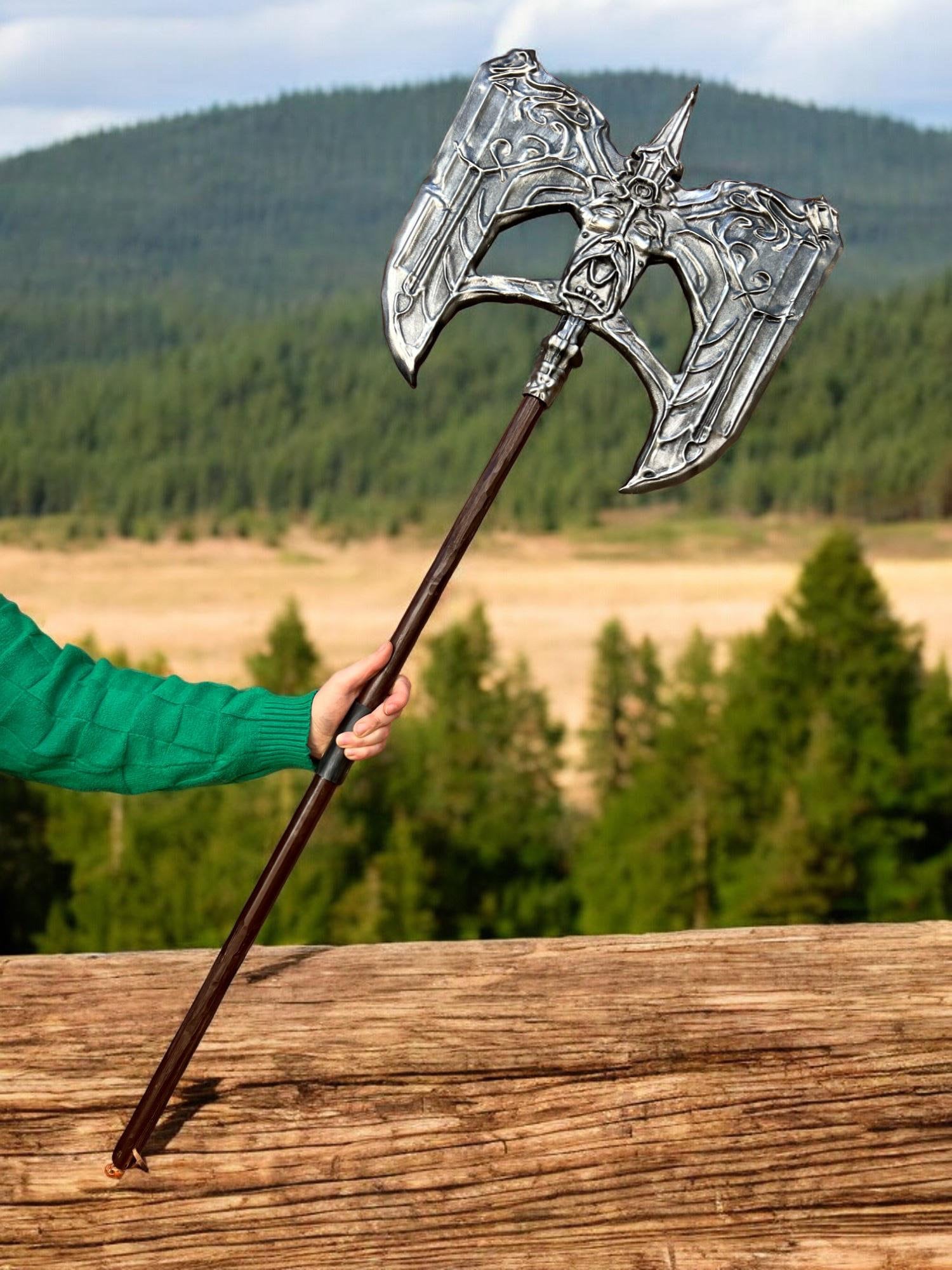
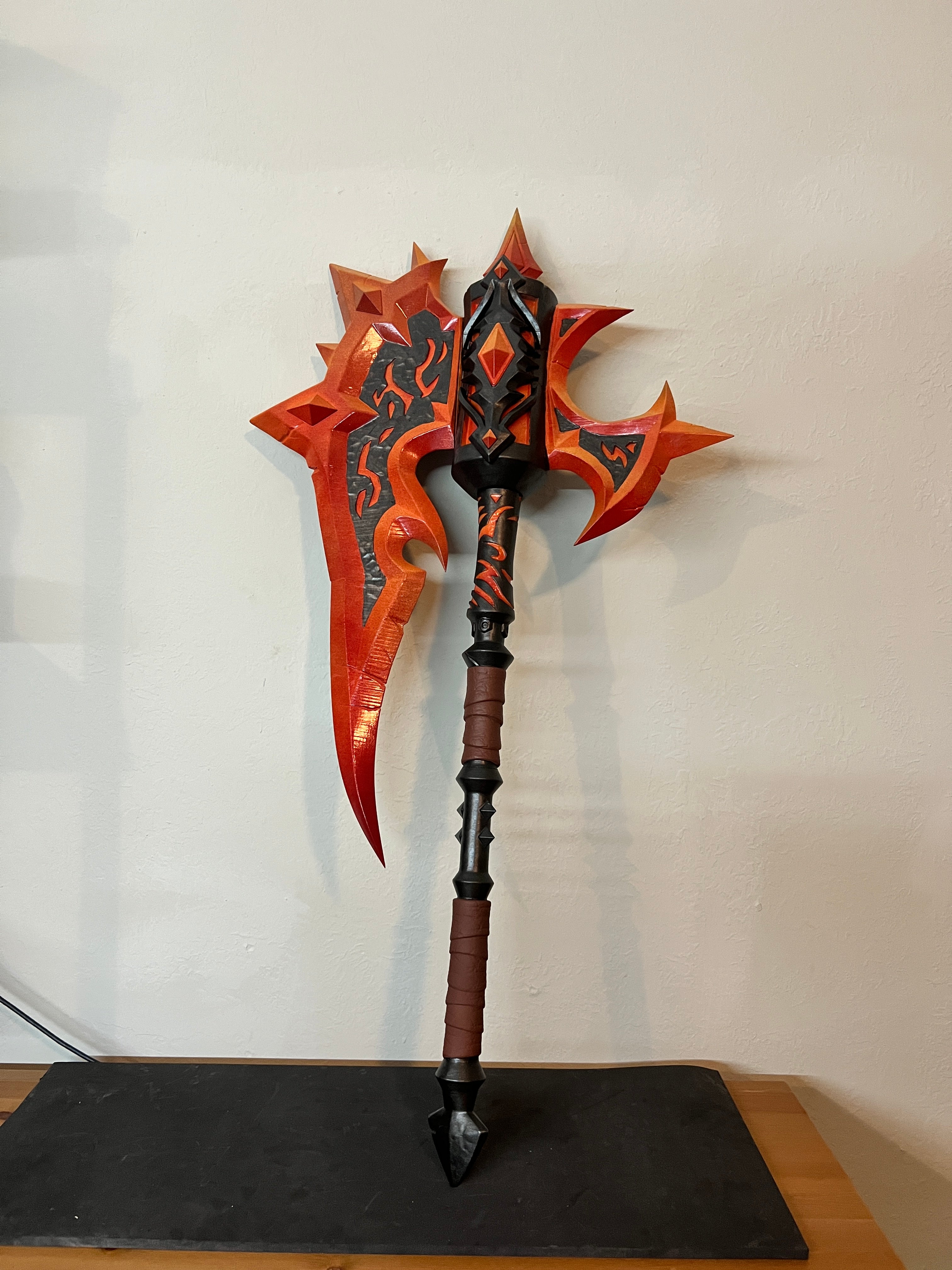
When people ask what our props are made of, we usually say "3D printed plastic" — and while that's technically true, it undersells how much goes into each piece. A finished Lone Star Cosplay prop isn't just a print that came out of a machine. It's the result of printing, sanding, priming, gap-filling, painting, and sealing — sometimes across 15–30 individual hours of work. Here's a full breakdown of what actually goes into your prop.
The Filament: PLA+
We primarily print with PLA+ (a toughened version of regular PLA plastic). It's the sweet spot for cosplay props because it's rigid enough to hold detailed geometry, lightweight enough to carry around all day, and doesn't warp as dramatically as other filaments during long prints. PLA+ is also non-toxic and biodegradable under the right conditions — it's one of the more environmentally friendly plastics available.
For parts that need extra strength — like helmet chin straps, weapon handles, or connector points — we sometimes switch to PETG, which is more flexible and impact-resistant. You probably won't be able to tell the difference by looking at the finished prop, but you'll feel it if you accidentally knock it against a doorframe.
The Print Settings
Print quality is determined by layer height — how thin each horizontal slice of plastic is. We print at between 0.1mm and 0.2mm layer height depending on the part. Thinner layers mean more detail and a smoother surface, but they also mean longer print times. A large greatsword like the Dragonslayer from Berserk might take 40–60 hours of total print time before any post-processing begins.
We also print at high infill percentages (the density of the internal structure) for structural parts. A hollow shell is lighter, but a weapon handle that someone will actually grip needs solid infill to survive a convention day.
Post-Processing: Where the Magic Happens
Right off the printer, a prop looks like a prop — but it also has visible layer lines and rough seams where pieces were joined. This is where post-processing comes in:
- Sanding: We start with coarse-grit sandpaper and work down to fine-grit to smooth the surface. For curved organic shapes like helmets, this alone can take several hours.
- Filler primer: A spray-on filler primer fills in tiny surface imperfections and gives the paint something to grip. We apply multiple thin coats, sanding between each one.
- Body filler / putty: For larger gaps at seam lines or areas with visible layer lines on detailed geometry, we use automotive body filler (like Bondo) to fill, shape, and re-sand until the surface is seamless.
Paint and Finish
The paint job is where an unpainted prop becomes a screen-accurate replica. We use a combination of:
- Spray paint base coats for even, fast coverage over large areas
- Acrylic hobby paints for detail work, edge highlighting, and weathering
- Metallic paints and powders for armor effects — layered over black to create realistic depth
- Washes (thinned dark paint) that settle into recesses to make surface detail pop
- Clear coat sealer as a final protective layer — matte for weapons, semi-gloss or gloss for armor pieces
LEDs (Where Applicable)
Several of our helmets and props include optional LED lighting — the Cyberpunk Trauma Team helmet, Halo helmets, the BO2 elemental staffs, and others. We use strip LEDs or individual LEDs depending on the geometry, wired to a small battery pack that's accessible through a hidden panel or hatch. The wiring is soldered and heat-shrink insulated for durability.
So, Is It Fragile?
It's cosplay-durable, not indestructible. A finished PLA+ prop with a proper paint and seal job can survive years of conventions if treated reasonably. We don't recommend dropping your Reinhardt Hammer on concrete, but carrying it, posing with it, and flying with it in checked luggage (padded) are all things our customers do regularly. If something does break, PLA is very repairable with super glue and a little filler primer — good as new.
Questions about a specific material or prop type? Send us a message — we're happy to go deeper on any of this.