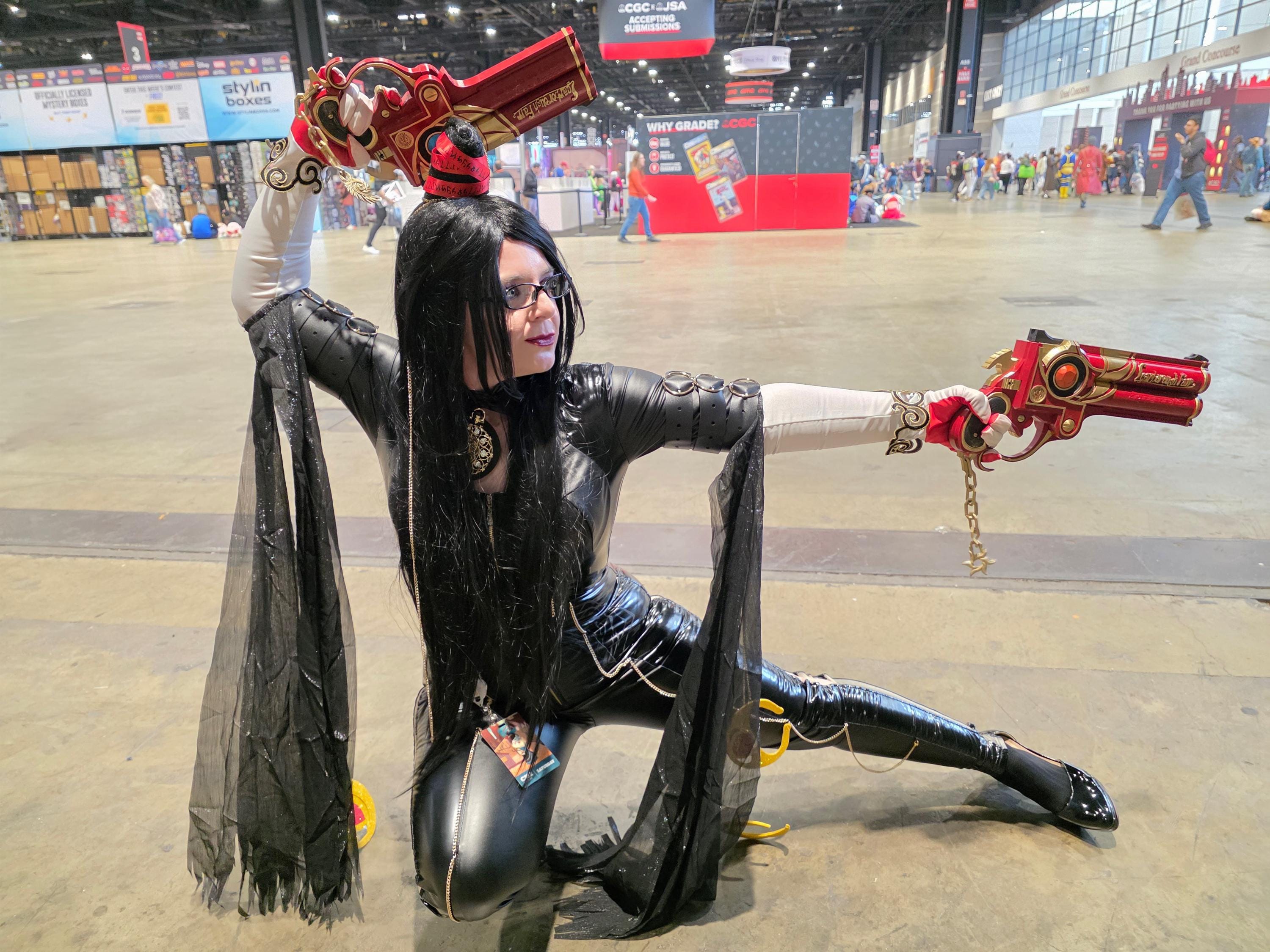
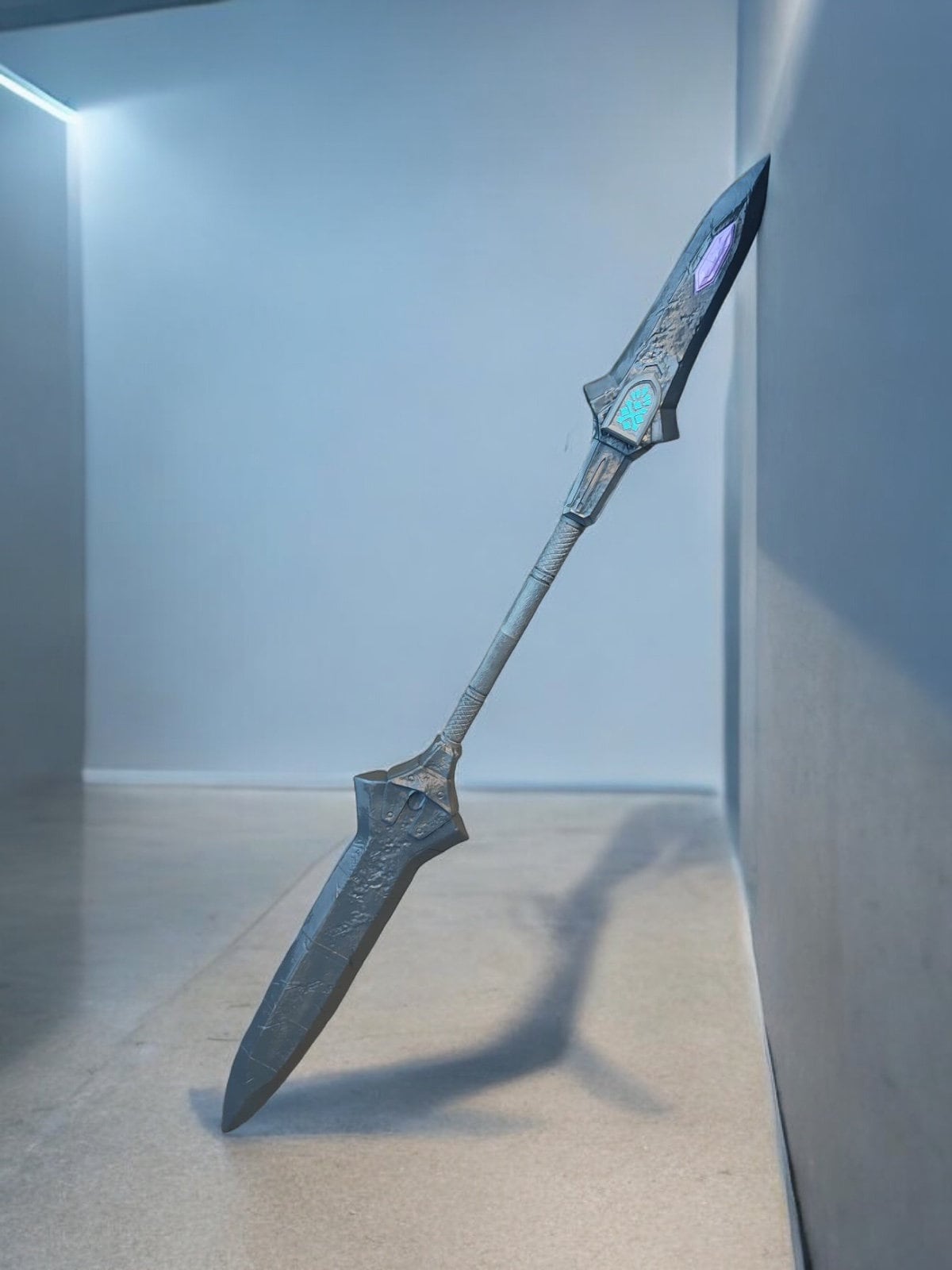
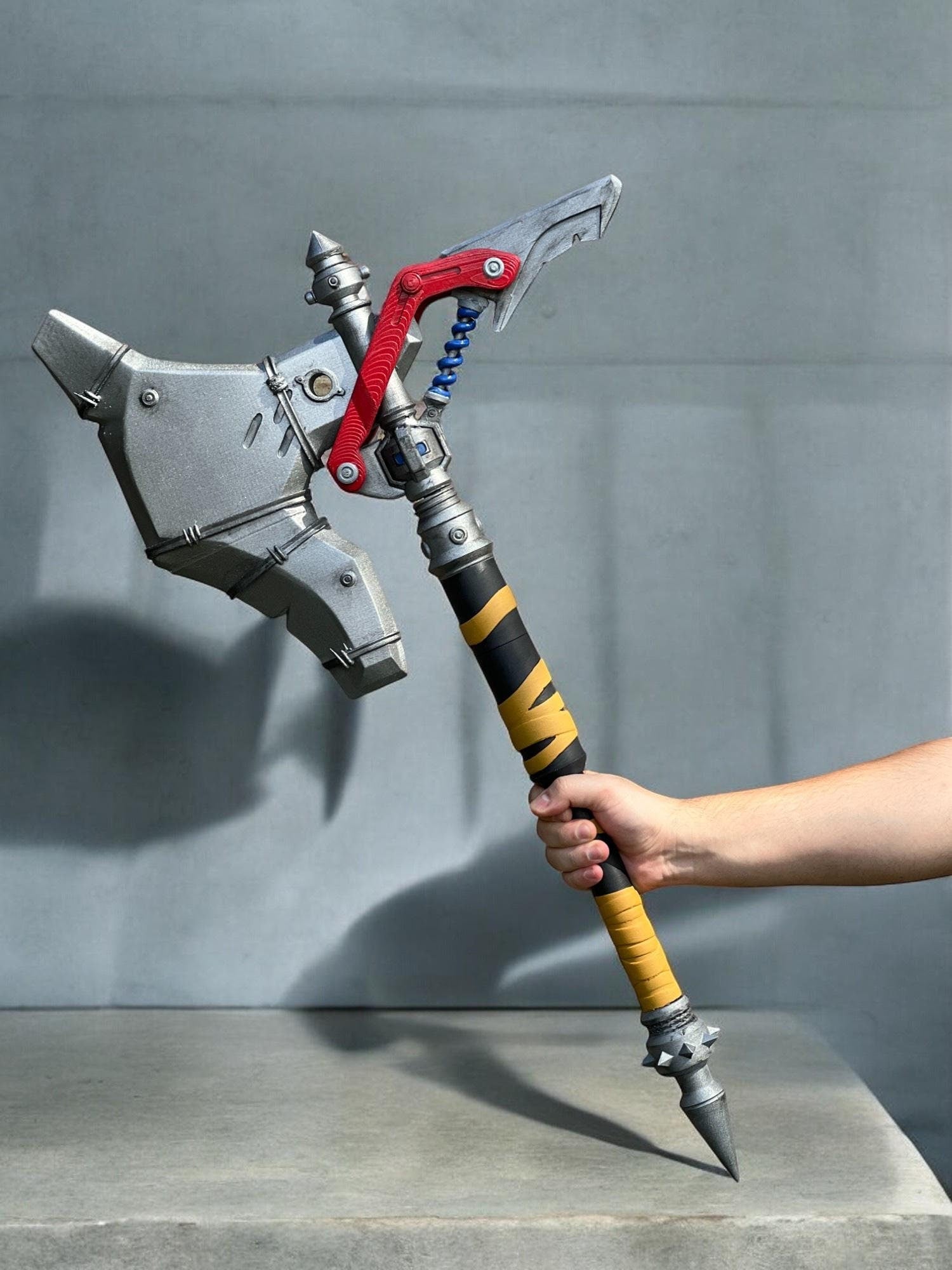
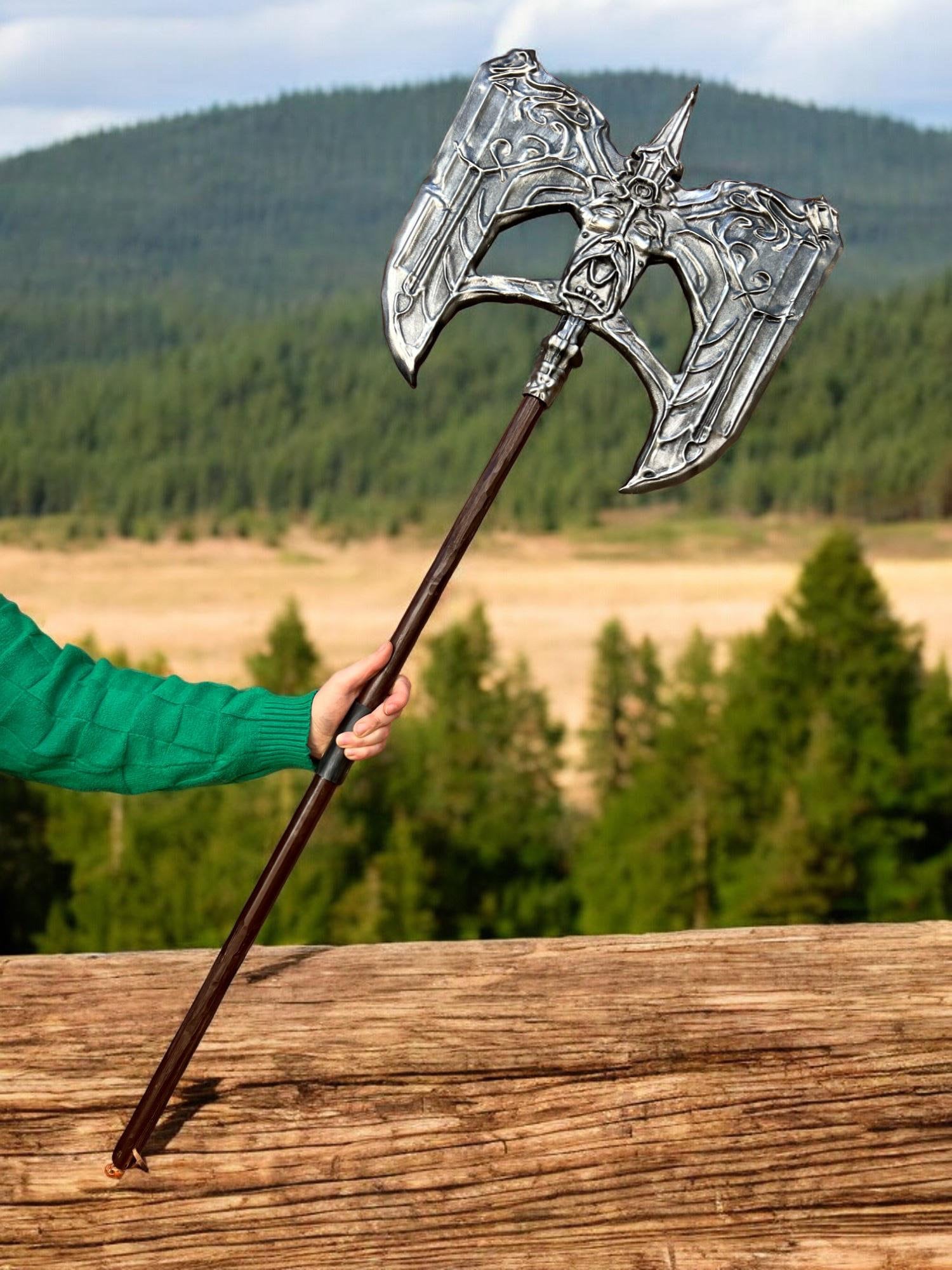
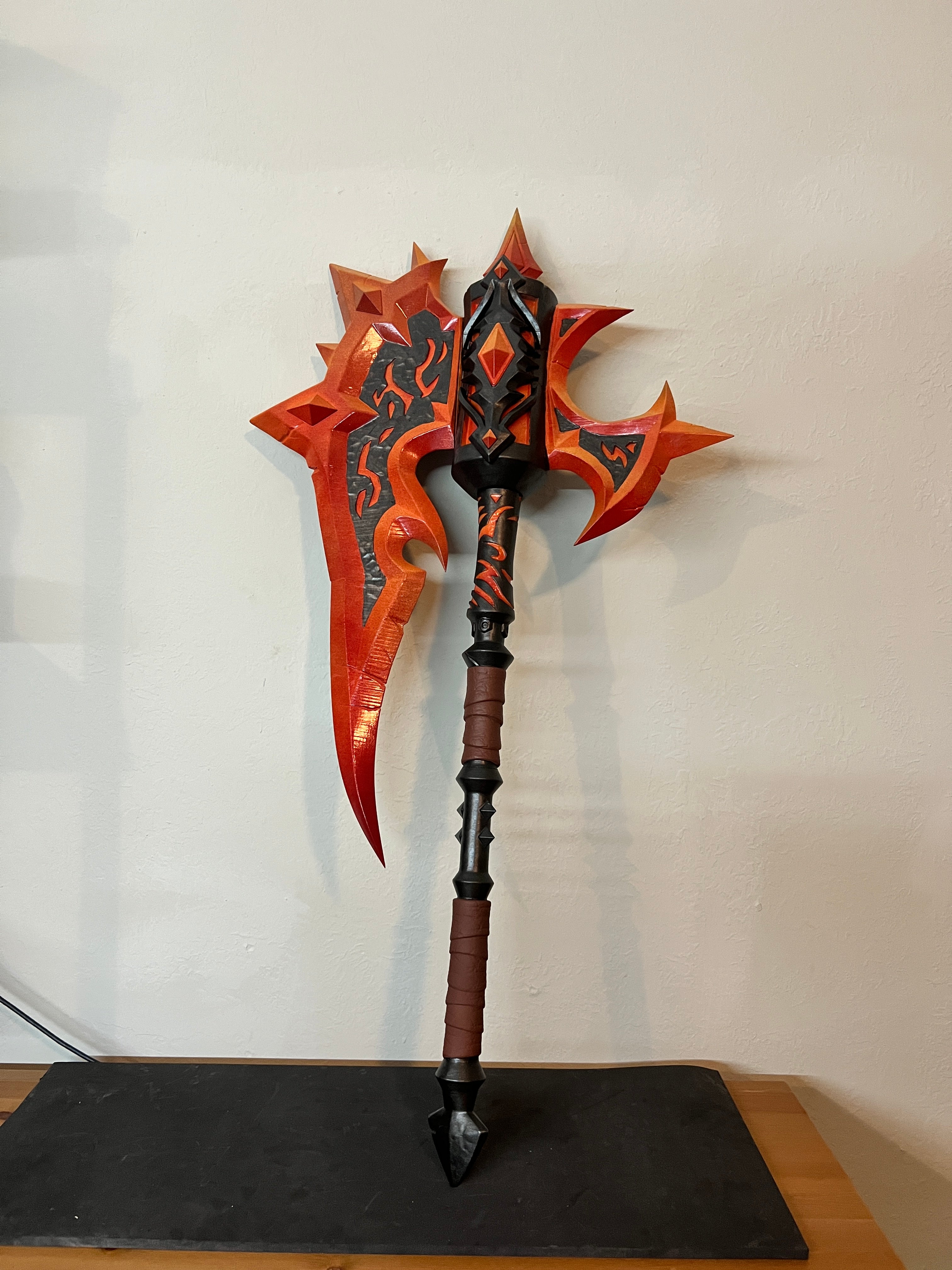
One of the most common questions we get from new cosplayers is whether to go foam or 3D printed for armor and props. Both methods have a long, valid history in the cosplay community. Both make beautiful pieces. But they're not the same, and the right choice depends on what kind of cosplay you're building. Here's an honest, no-marketing breakdown of how the two compare.
The Quick Summary
If you want the short version: foam is great for full-body soft armor that needs maximum mobility and comfort, and for cosplayers who enjoy hands-on building. 3D printed is better for sharp details, hard surfaces, weapons, helmets, and any piece where the geometry needs to be exact.
Now the long version.
Foam Armor: The Traditional Route
EVA foam armor has been the dominant cosplay material for almost 20 years. There's a reason — it's accessible, modifiable, comfortable, and forgiving of small mistakes.
Foam Armor Strengths
- Lightweight — a full foam armor build weighs significantly less than 3D printed equivalent
- Comfortable for long wear — foam flexes with your body, doesn't pinch, doesn't require padding to be wearable
- DIY-friendly — you can build foam armor at home with a craft knife, contact cement, and a heat gun
- Easy to repair — if something breaks at a convention, you can patch foam with hot glue in minutes
- Travel-friendly — foam compresses slightly under pressure, recovers shape, doesn't crack from drops
Foam Armor Weaknesses
- Limited detail resolution — you can't reproduce sharp engraved details or fine sculpted features in foam without enormous effort
- Soft surfaces — foam armor reads as foam armor in photos. The texture and softness is visible
- Time-intensive — a full foam armor build takes 80-150+ hours of crafting time
- Weak structural support — hard pieces like helmets need foam plus extensive backing to feel solid
- Heat retention — foam is an insulator, which is great in winter but brutal in summer conventions
3D Printed Armor: The Modern Route
3D printing has changed cosplay over the last decade. What used to require sculptors and mold-makers can now be modeled digitally and printed at home or by services like ours. The detail level is dramatically better than foam can achieve.
3D Printed Armor Strengths
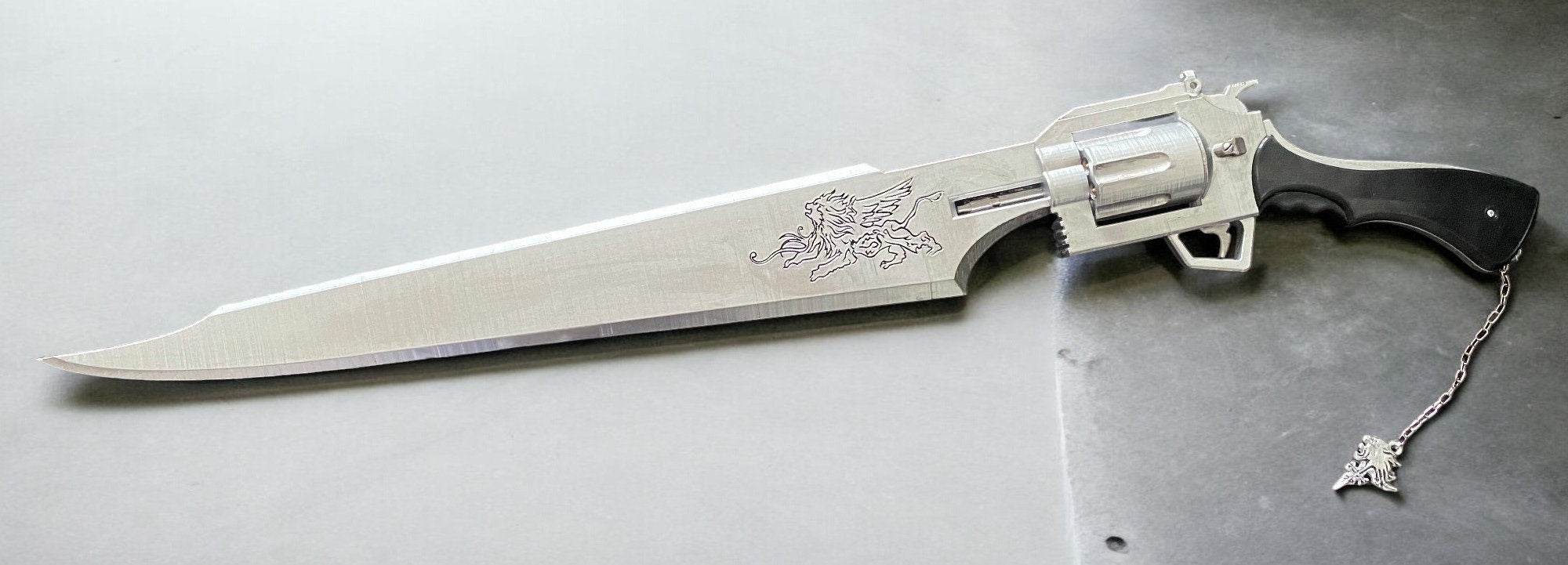
- Maximum detail — every engraving, every sharp edge, every micro-feature from the source material is reproducible exactly
- Hard surfaces look hard — photos read as real armor, not soft foam padding
- Consistent reproduction — if you want a second piece exactly like the first, 3D printing produces identical results
- Complex geometry possible — helmets with internal structure, articulated joints, hidden details — all easier in 3D print
- You can buy the finished piece — unlike foam, which usually requires DIY building, 3D printed armor can be commissioned ready to wear
3D Printed Armor Weaknesses
- Heavier — PLA is denser than foam. A full 3D printed armor build weighs more
- Less flexible — hard plastic doesn't bend with your body the way foam does, so the cuts and joint placement matter more
- Brittle in some scenarios — dropped from height, 3D printed pieces can crack. They need more care
- Repair is harder — cracked PLA needs specific repair techniques, not just hot glue
- Print lines visible without sanding — unprepared 3D prints have visible layer lines. We sand and prime our painted pieces to eliminate this
Why We Specialize in 3D Printed
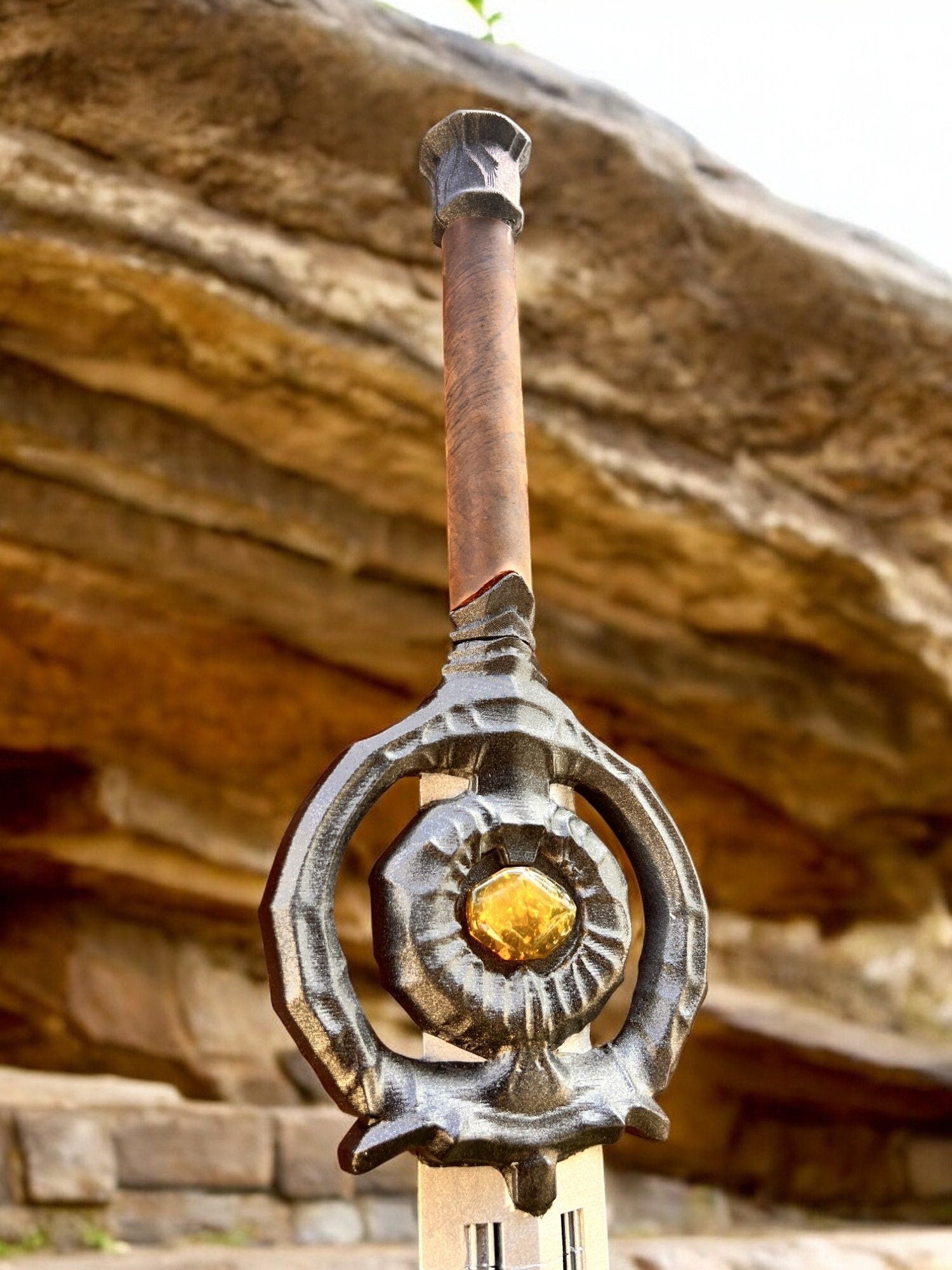
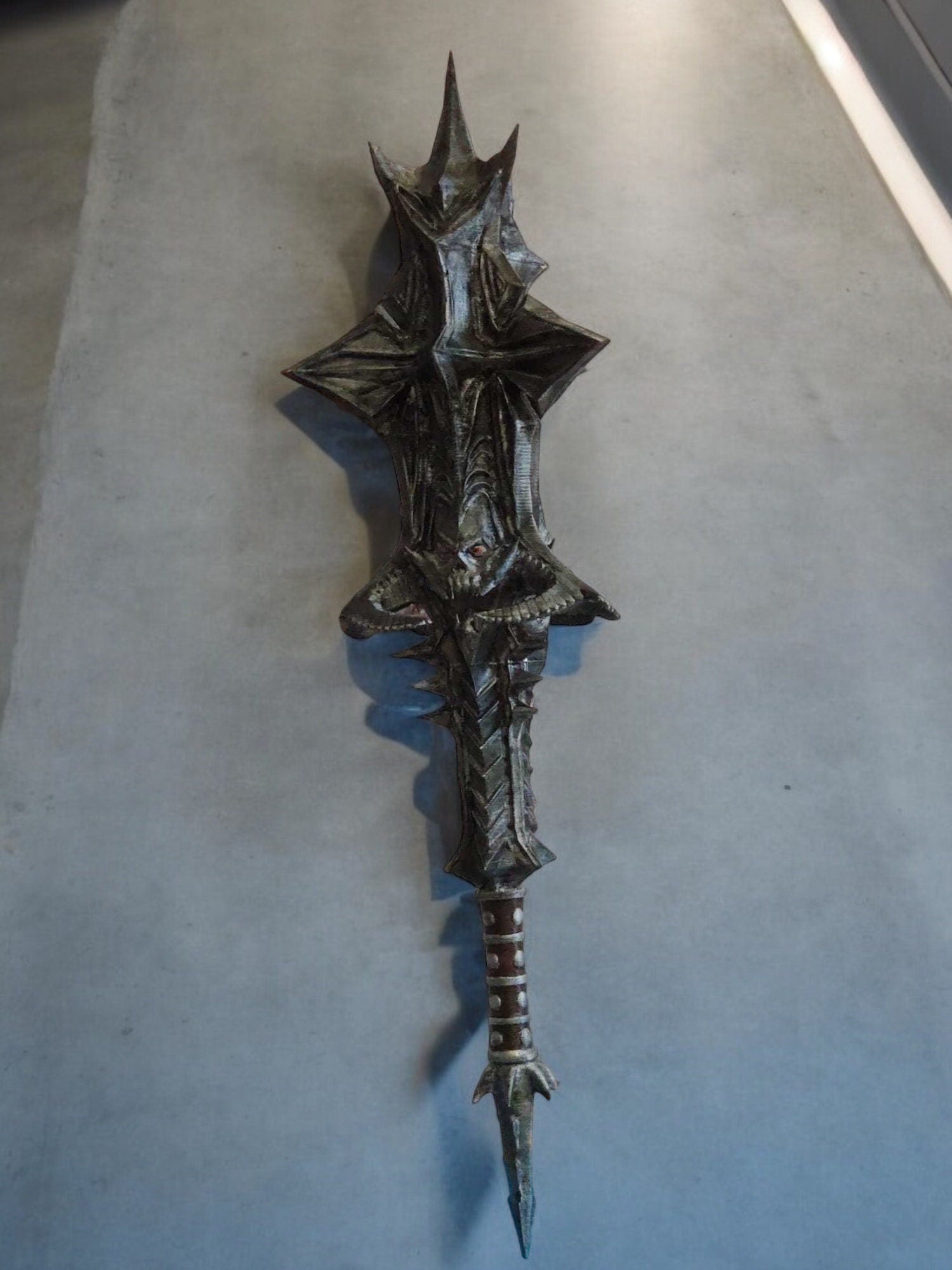
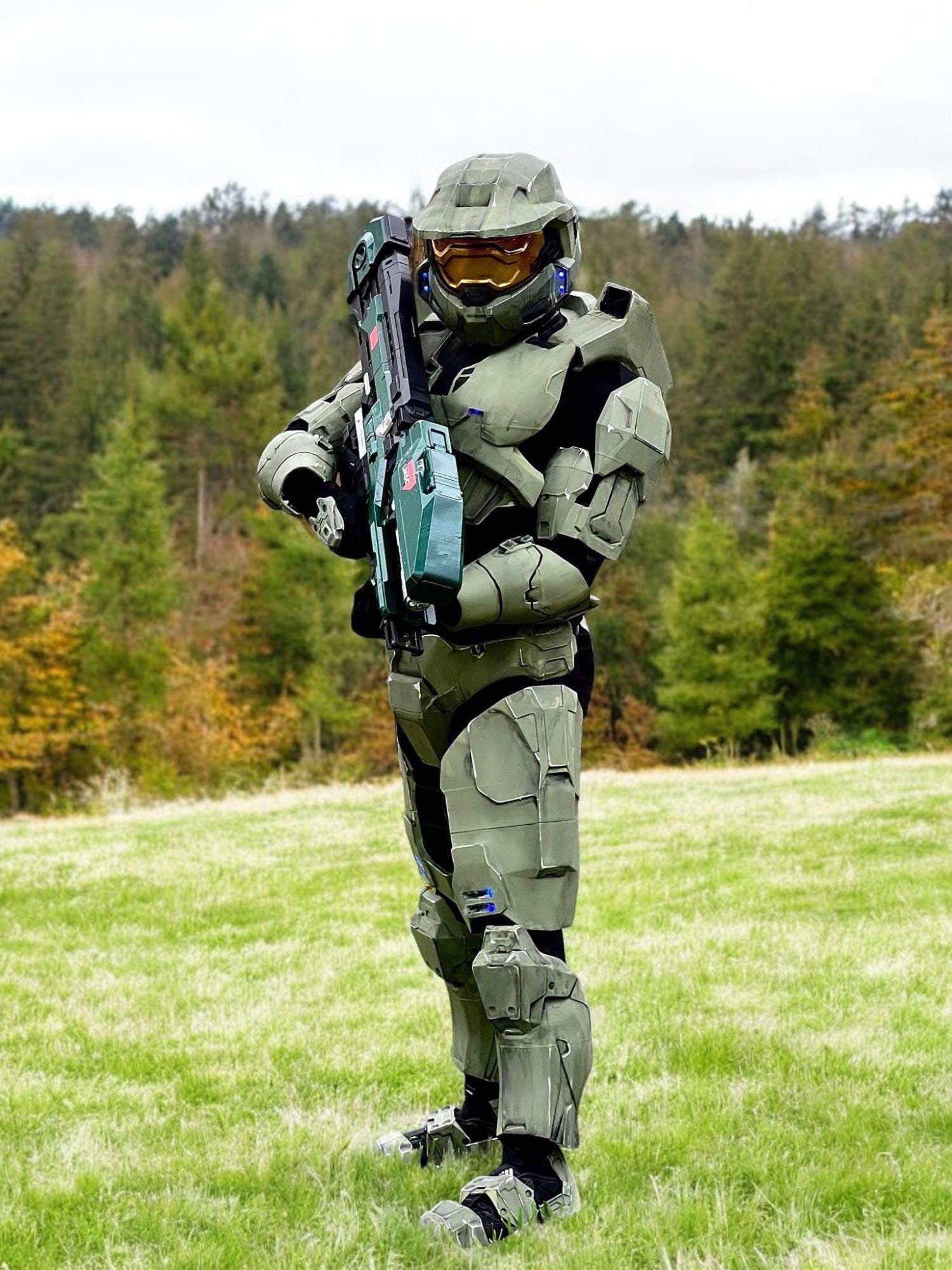
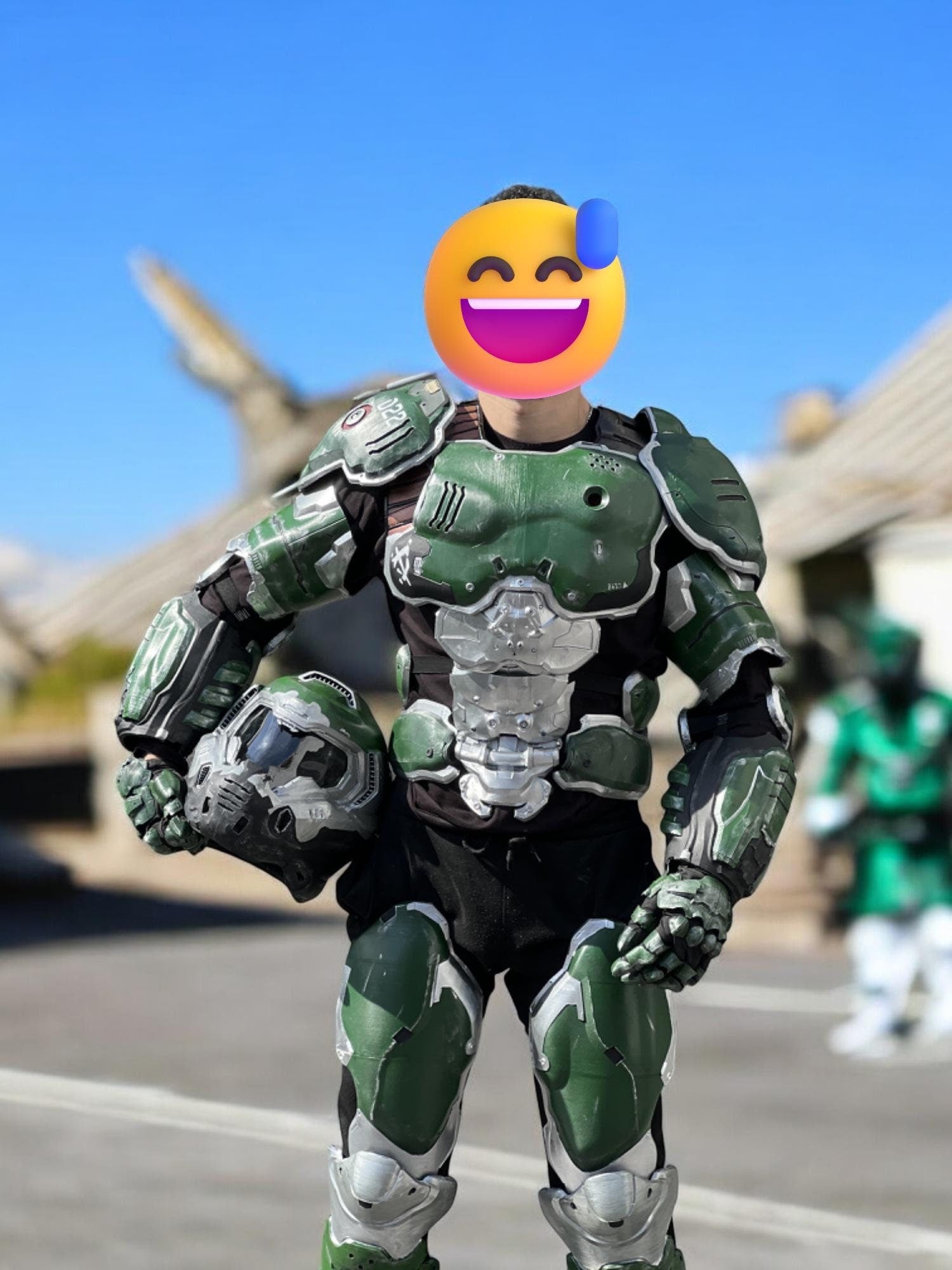
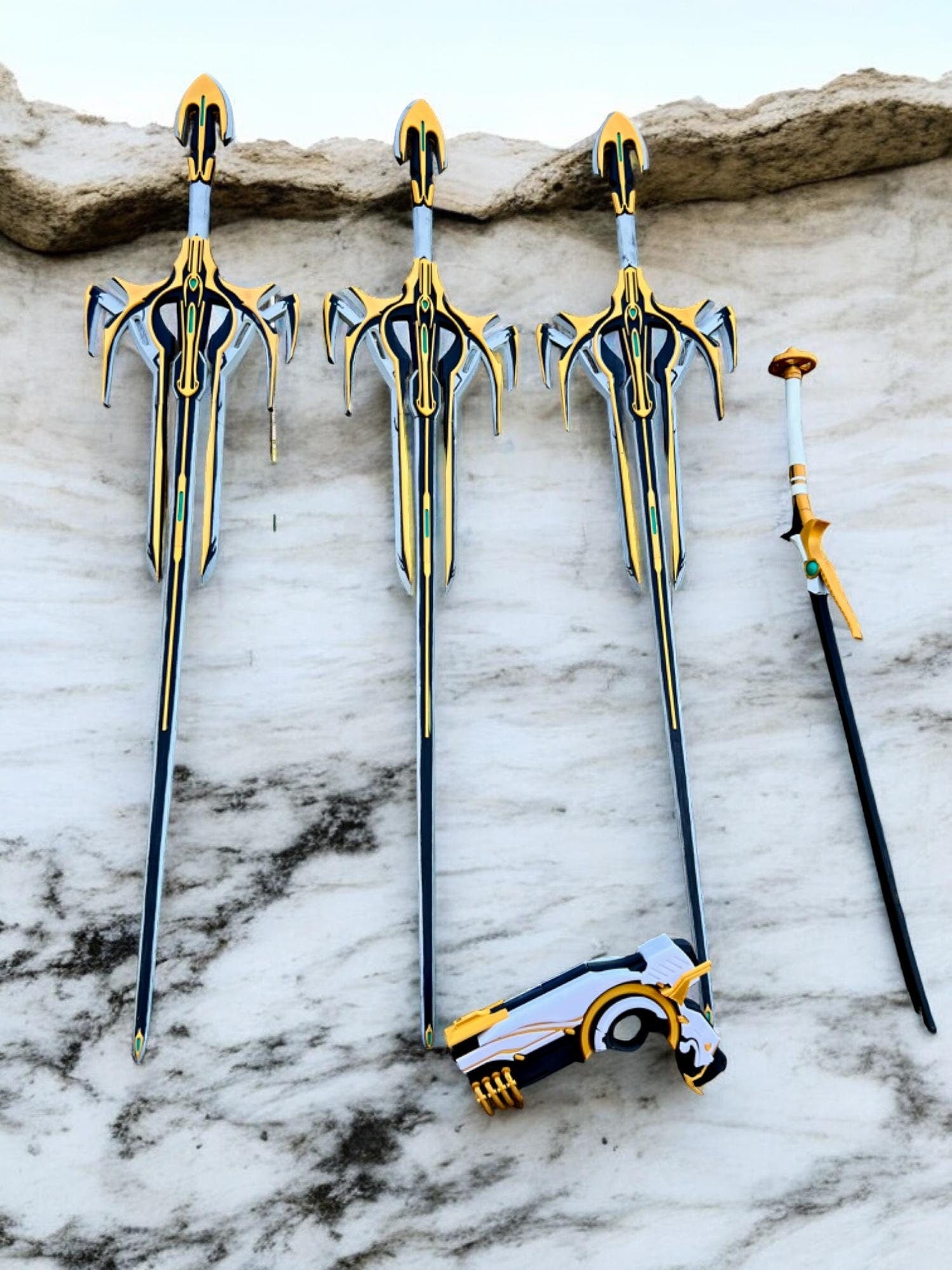
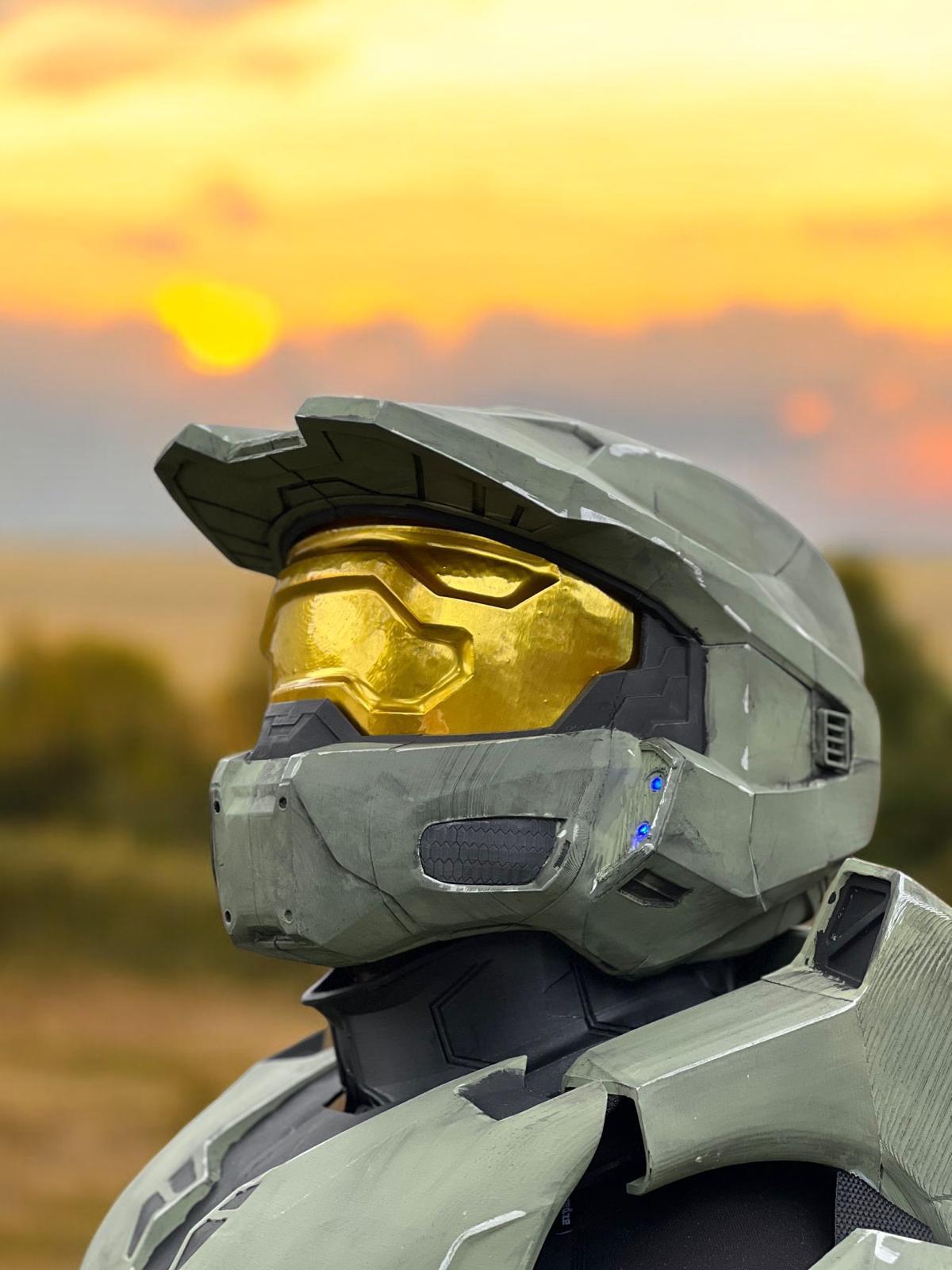
At Lone Star Cosplay, we focus on 3D printed work because of the detail capabilities. The kind of props that benefit most from precise reproduction — the Doom Slayer armor, the Halo Noble 6 armor, the Master Chief armor — these are designs that demand sharp lines and hard surfaces. Foam can't replicate them faithfully.
Same with weapons and helmets. The Baelor Targaryen helmet's dragon detail or the Daedric helmet's curved horns would lose 80% of their visual impact in foam.
When Foam Wins
There are situations where foam is unambiguously the better choice:
- Full-body flexible armor — think Lara Croft tactical gear, Mando armor, anything that needs to move with the body
- Children's cosplay — lighter, safer, more forgiving
- Anything you need to ship folded — foam takes compression, plastic doesn't
- Budget builds — if you're under $50 and willing to spend 100 hours, foam is the way
When 3D Printed Wins
- Sharp, detailed armor — anything with engraving, sculpted detail, or precise geometry
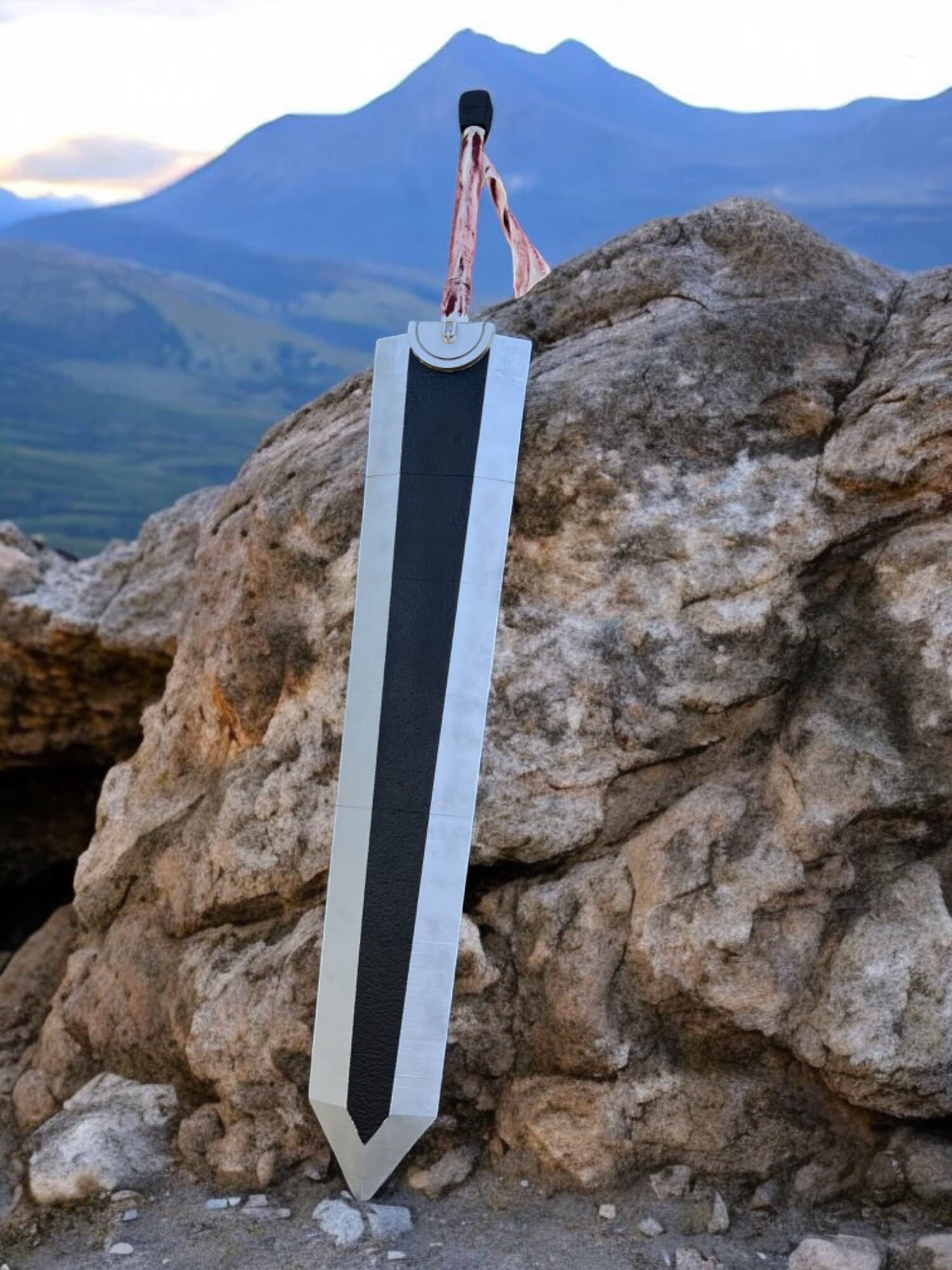
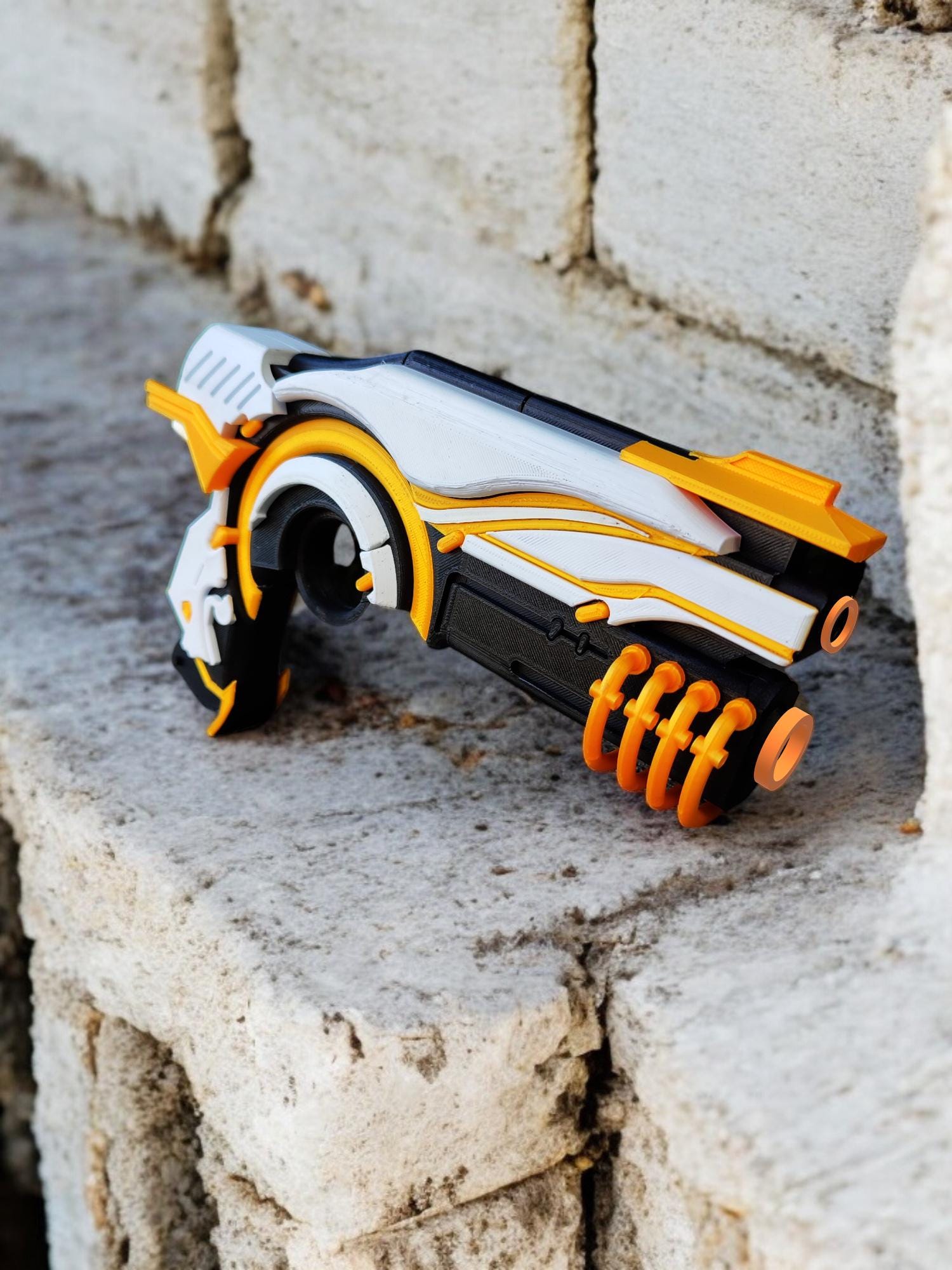
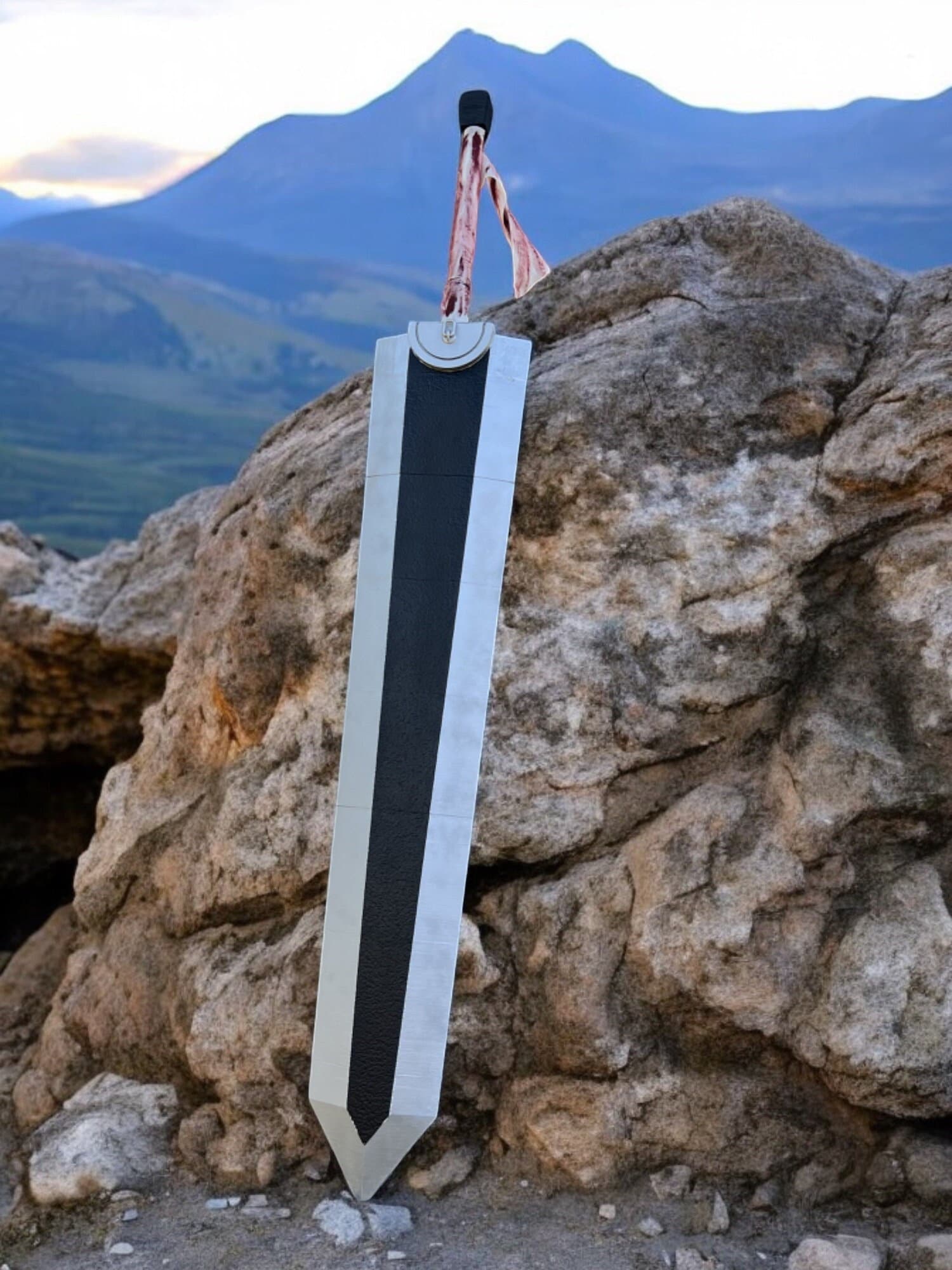
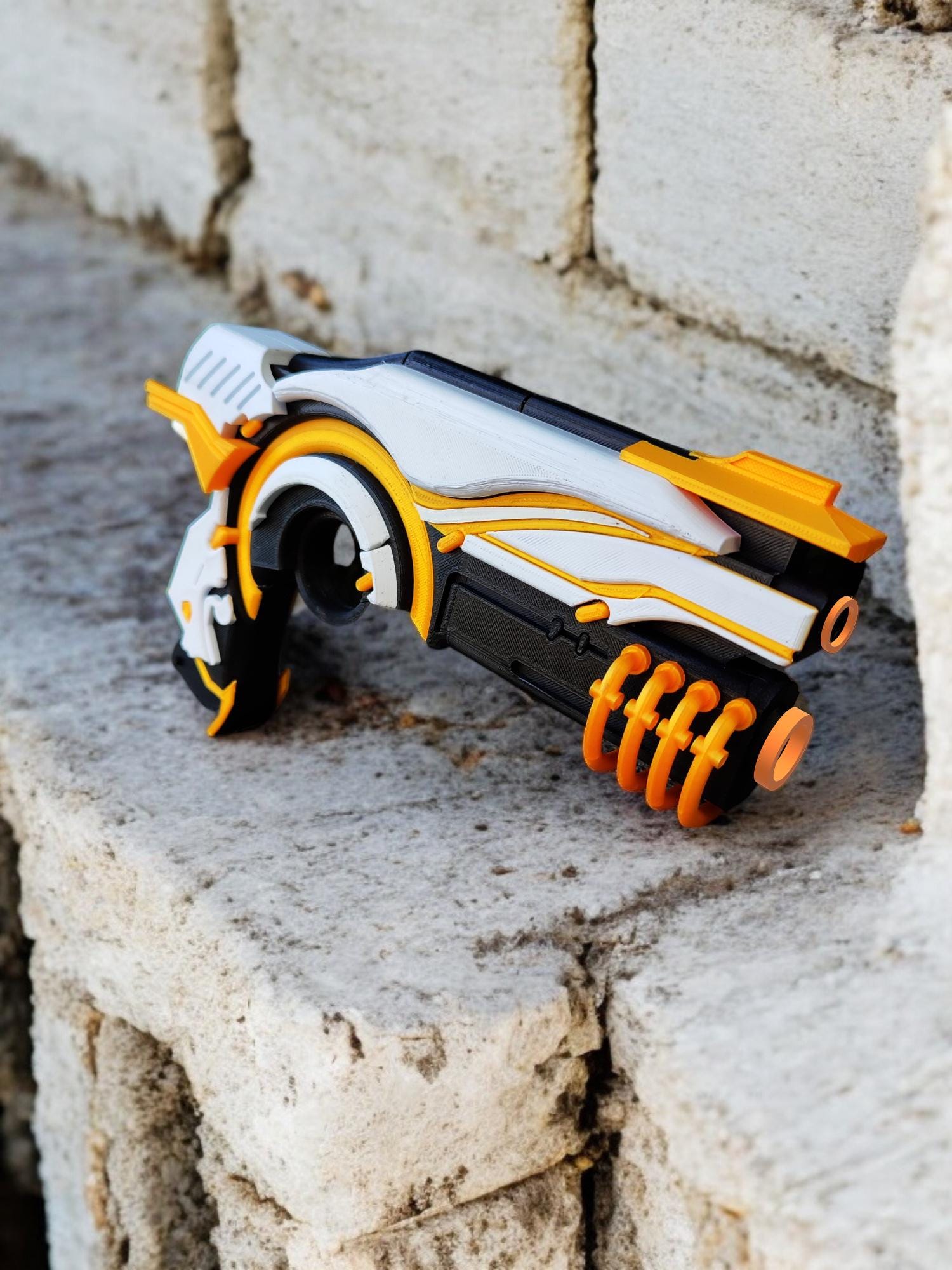
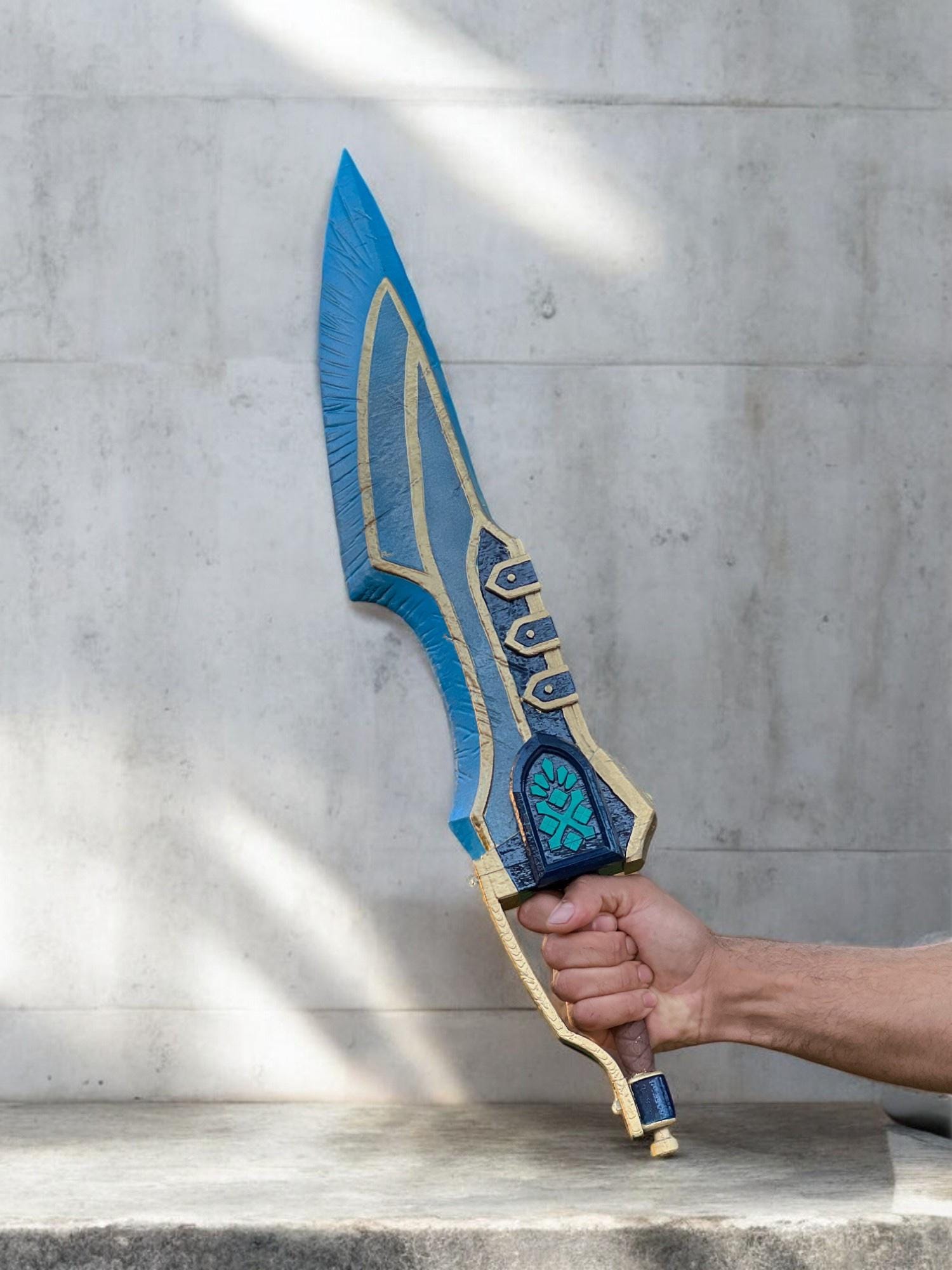
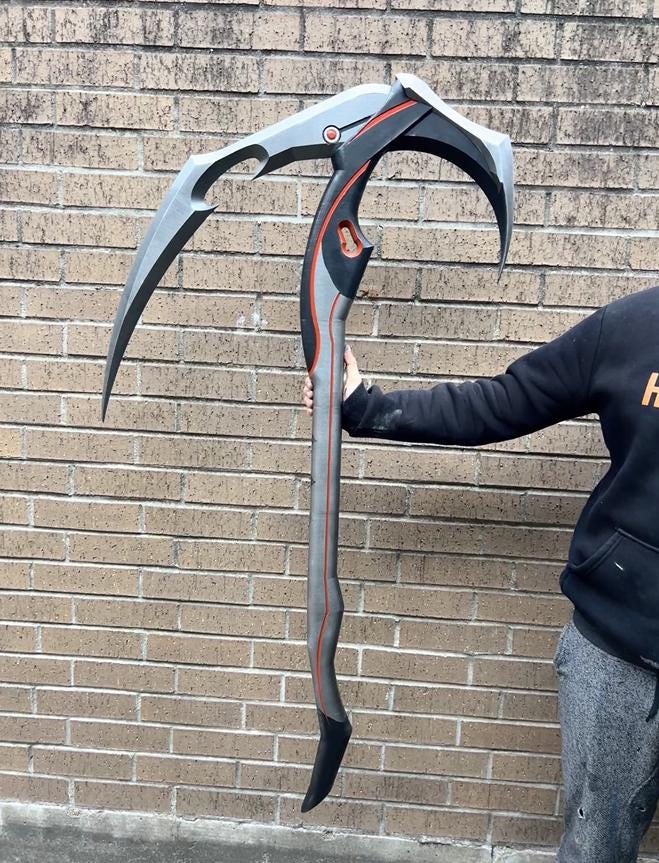
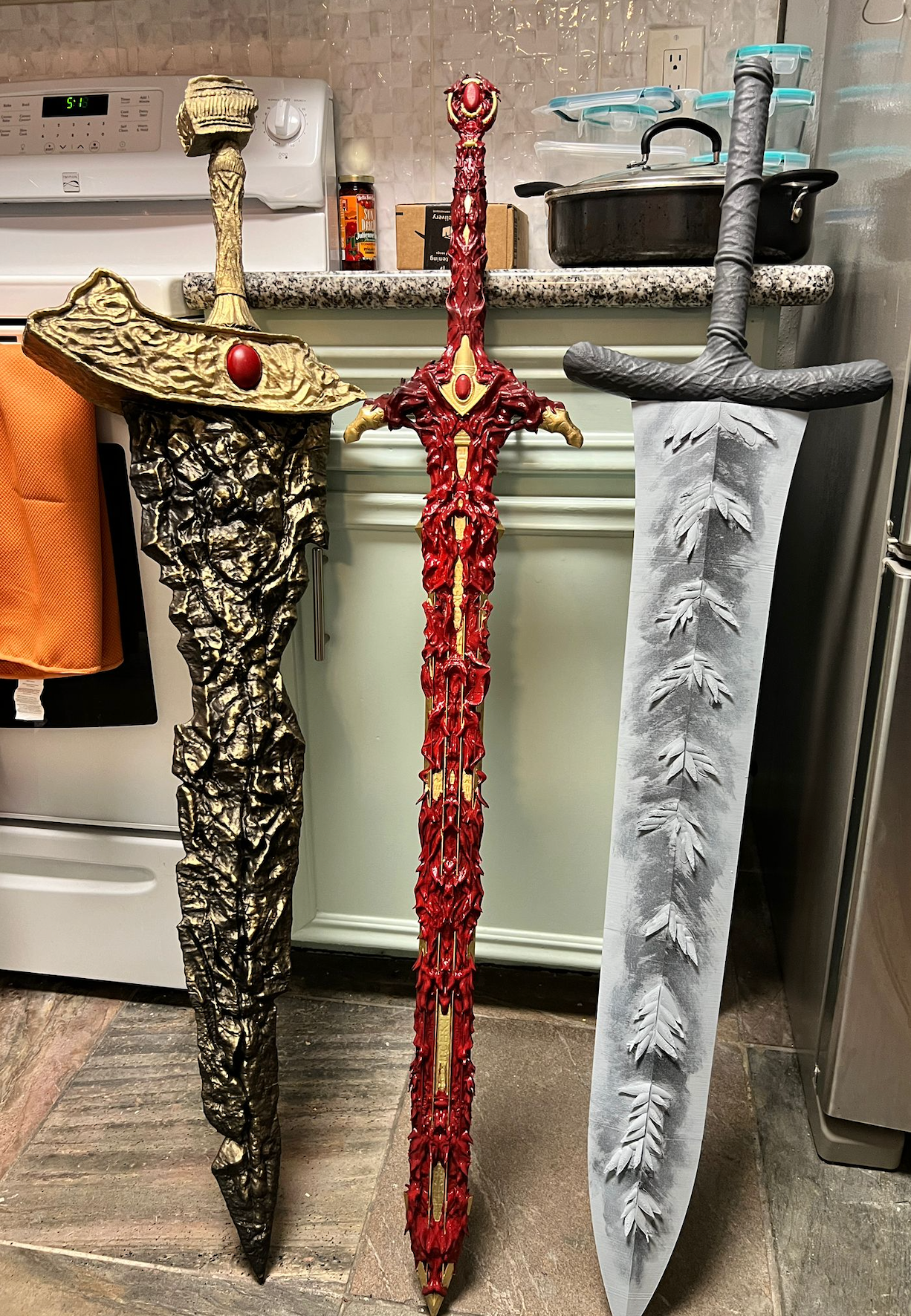
- Weapons — swords, axes, guns, staffs. The hard surface matters
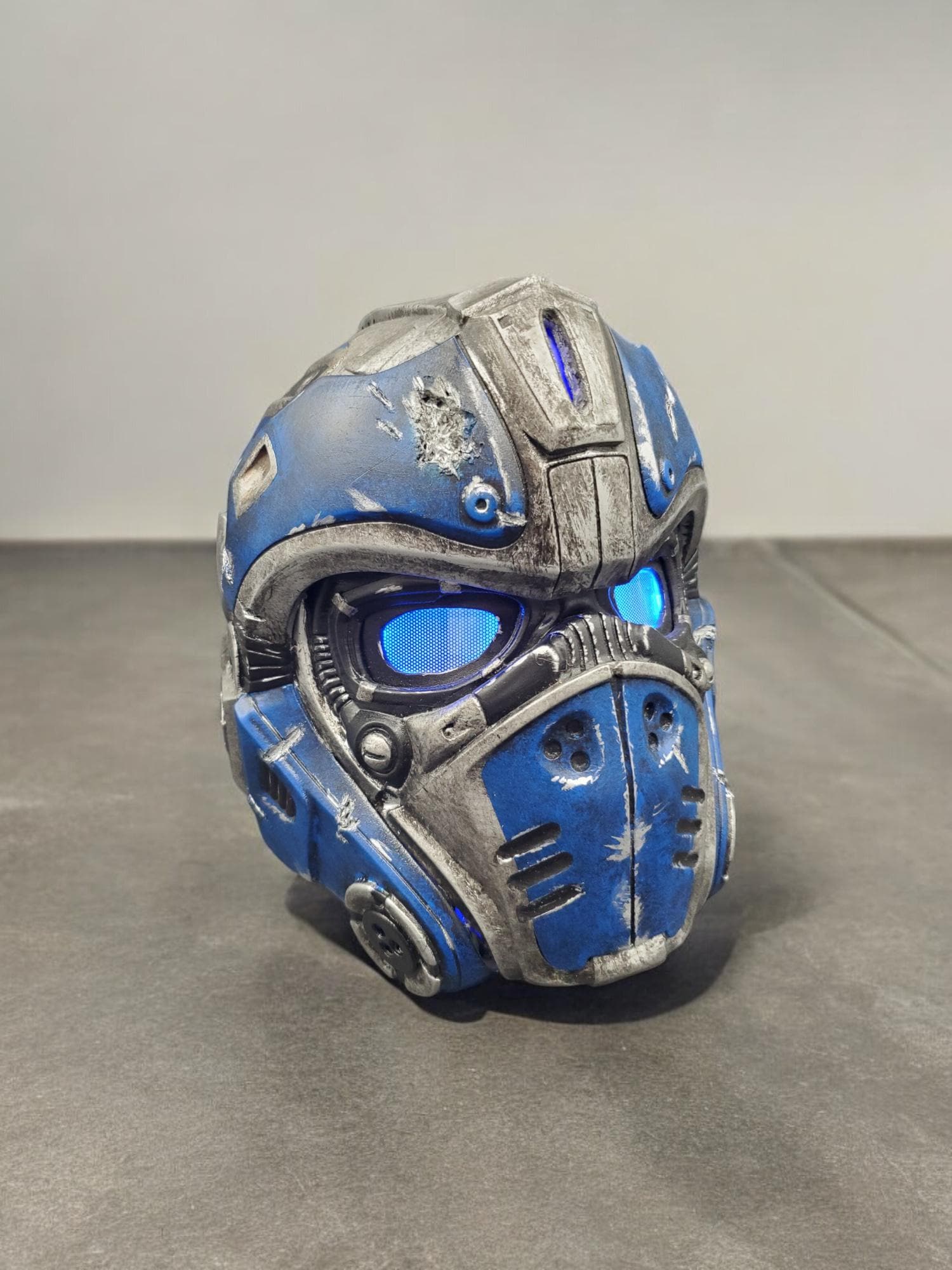
- Helmets — helmets need structural integrity and surface finish that foam struggles to deliver
- Hand-off cosplays — if you want to order a piece ready-made and just wear it, 3D printed is the path
- Conventions and competitions — the visual fidelity reads better in photos
The Hybrid Approach
Many of the best cosplays we see combine both methods. A 3D printed helmet with foam shoulder pieces. A 3D printed sword with a foam-built scabbard. A 3D printed chestpiece with foam thigh and calf guards for mobility. There's no rule that you have to commit to one method.
If you're building a full armor set yourself, the typical hybrid is: 3D print the helmet and weapons (best detail), foam the body armor (best mobility), 3D print the hard accent pieces like belt buckles or vambraces (best detail).
Cost Comparison
For a single helmet:
- Foam helmet, DIY: $20-40 in materials, 30-50 hours of work
- 3D printed helmet, finished from a maker like us: $130-250 depending on the design, no work on your part
- 3D printed helmet, DIY printed at home: $30-60 in filament, 50-100 hours of work including printing and finishing
Foam wins on raw material cost but costs significantly more in your time. 3D printed wins on time saved if you order it finished.
Repair and Longevity
Foam armor lasts 3-5 years with regular wear before it starts to show fatigue. 3D printed armor lasts indefinitely if you don't drop it on concrete — we have customers wearing pieces from years ago that look identical to day one.
For more on care and storage, see our display and storage guide.
The Bottom Line
Foam and 3D printing aren't rivals. They're different tools for different jobs. If you love building from scratch, get a craft knife and some EVA foam and start cutting. If you want a piece that looks like it was pulled straight from the game, 3D printing is the right path.
For 3D printed work, browse our wearables collection for armor and gauntlets, or the helmets collection for headwear options. If you have a specific armor or prop in mind that we don't list, send us a reference — custom orders are open.